
Potsdam
Schiffbauergasse, 14467 Potsdam-Nördliche Vorstadt, Germany
Schiffbauergasse | Arrival & Parking
The Schiffbauergasse is much more than just a street in Potsdam: It is a vibrant art and culture quarter by the Tiefen See, where theater, exhibitions, gastronomy, water experiences, and modern businesses are closely located together. Those who visit Schiffbauergasse experience a place where historical building substance, creative use, and a location by the water create an exceptionally strong mix. The quarter is considered one of the most important attractions in the city, with a dense event offering, numerous neighbors, and an atmosphere that moves between an urban cultural site and a relaxed waterfront landscape. Particularly practical is the good accessibility: The area is accessible year-round, many areas are designed for visitor comfort, and both public transport and parking options are clearly organized on-site. Schiffbauergasse is suitable for a spontaneous outing as well as for a planned evening at the theater, an exhibition visit, or a day between the harbor, gastronomy, and culture. ([schiffbauergasse.de](https://schiffbauergasse.de/poi/uber-den-standort))
Arrival, Parking, and Map of Schiffbauergasse
Those looking for Schiffbauergasse Potsdam Maps, Schiffbauergasse Map, or simply the best way to get there will find a quarter with very clear routes. The official website describes the area as being about two kilometers from Potsdam Central Station, idyllically located by the Tiefen See and near the Glienicke Bridge. Coming from Berlin, both the regional trains RE1 and RB21/RB22 as well as the S7 to Potsdam Central Station are suitable options; from there, tram lines 93, 94, and 99 go directly into the quarter. This connection is particularly attractive because it makes the culturally rich waterfront area easily accessible without detours, and one does not have to search long from the station. Especially for guests attending an evening performance or wanting to combine several places during the day, the close connection to public transport is a real advantage. The digital orientation on-site also helps to switch between buildings without stress. ([schiffbauergasse.de](https://schiffbauergasse.de/besuch-planen/anreise-and-parken))
For driving by car, the website explicitly recommends entering the area Schiffbauergasse 1–17 into the navigation device. Those targeting a single building can use the respective house number, which is particularly helpful given the many neighbors. The quarter has paid parking spaces and a parking garage available; visitors to cultural events pay 3 euros per stay during the mentioned evening or weekend times with a culture ticket. Outside of these times, standard rates apply with hourly and daily rates. The parking garage is open continuously, seven days a week, around the clock, making Schiffbauergasse practical for late performances, premieres, and long event days. Because the number of parking spaces is limited, the operators still recommend using public transport for many events. ([schiffbauergasse.de](https://schiffbauergasse.de/besuch-planen/anreise-and-parken))
Even those arriving by bicycle, e-scooter, or boat will find suitable paths at Schiffbauergasse. The area has bike racks, and the quarter is integrated into the Potsdam bike rental system. For water enthusiasts, the location by the Tiefen See is a real plus: The quarter has a boat landing, a public canoe rest area, and even the option to arrive via the Potsdam water taxi. From April to October, the water taxi is an attractive alternative for those who want to experience Potsdam through the lake landscape. This variety of routes fits very well with the character of the location: Schiffbauergasse is not only a destination for culture but also a transition between city, water, and landscape. This is precisely why the place works so well for day visitors, groups, and guests who want to combine multiple activities. ([schiffbauergasse.de](https://schiffbauergasse.de/besuch-planen/anreise-and-parken))
For people with limited mobility, orientation is also well thought out. The nearest stops Schiffbauergasse/Berliner Straße, Potsdam, Holzmarktstraße, and Schiffbauergasse/Uferweg are accessible, and several places in the quarter have accessible parking spaces, including in the Contipark parking garage, at the Schirrhof, and at the Hans Otto Theater. A public wheelchair-accessible toilet is located at the Offizze in Schiffbauergasse 7. So, those searching for Schiffbauergasse Maps or Schiffbauergasse Map will find not only a site plan in practice but also a well-developed visitor area with clear access points, useful shortcuts, and an infrastructure tailored to different target groups. ([schiffbauergasse.de](https://schiffbauergasse.de/besuch-planen/barrierefreiheit))
Events, Tickets, and Current Program
A central search interest around Schiffbauergasse is the program: What is happening today, where can I get tickets, and which event fits which occasion? The answer is simple: The quarter offers a diverse cultural program throughout the year. The area features a mix of theater, concerts, dance, readings, exhibitions, festivals, workshops, and guided tours. The mix of institutional venues and open formats is particularly strong, as visitors can experience very different formats in one place without having to walk long distances. The website explicitly mentions outdoor offerings and large-scale events in the open air. Thus, Schiffbauergasse is not only interesting for classic evening appointments but also for daytime programs, family outings, and creative weekends. Those who want to keep track of multiple appointments benefit from the fact that the institutions closely link their calendars with the location. ([schiffbauergasse.de](https://schiffbauergasse.de/besuch-planen/tickets?utm_source=openai))
Tickets for events and guided tours are available online through the event calendar, through the websites of the individual cultural institutions, or at advance sales points in Potsdam. For the Hans Otto Theater, there is also a box office directly on-site at Schiffbauergasse 11, with fixed opening hours during the week and on Saturday. This is convenient for those who decide spontaneously or want personal advice before a performance. Important additional information is also well organized: Many tickets are valid in the VBB fare zone Berlin ABC three hours before and after the performance as a ticket for public transport. This makes arrival easier for guests from Berlin and the surrounding area and lowers the barrier to spontaneously going to the theater or a concert in the evening. ([schiffbauergasse.de](https://schiffbauergasse.de/besuch-planen/tickets?utm_source=openai))
Schiffbauergasse does not stand for a single format but for a wide range of cultural use. The quarter features large stages, exhibition spaces, conference areas, and outdoor areas. The Schinkelhalle is suitable for congresses, gala dinners, workshops, specialist conferences, and meetings, the Waschhaus Arena is for concerts, cabaret, comedy, readings, fairs, and award ceremonies, and the museum FLUXUS+ offers space for workshops, press conferences, or receptions. This creates a location where classic cultural events and business formats come together without losing the character of the place. This mix makes Schiffbauergasse attractive for companies, culture fans, and groups: Here, performative art, professionally equipped event spaces, and a strong location by the water come together. ([schiffbauergasse.de](https://schiffbauergasse.de/location/schinkelhalle))
Those interested in guided tours also have a good selection. Schiffbauergasse offers city tours through the quarter, tours of the Hans Otto Theater, and other formats that reveal the place historically and architecturally. The theater tour not only shows the architecture but also stage technology, carpentry, painting room, and costume fund, meaning those areas that often remain hidden during a normal visit. Thus, Schiffbauergasse also caters to the search interest around Schiffbauergasse exhibition, Schiffbauergasse program, and Schiffbauergasse tickets, as the location is not just an event venue but a whole network of stage, art, and mediation. For visitors, this means: A single appointment can quickly turn into a whole cultural evening. ([schiffbauergasse.de](https://schiffbauergasse.de/programm/fuehrungen/durch-das-hans-otto-theater?utm_source=openai))
History of Schiffbauergasse: From Shipyard to Cultural Quarter
The historical depth of Schiffbauergasse is one of its greatest charms. The official history of the area begins long before the current cultural quarter: As early as 1779, commercial use by the Zichorienmühle is documented, which later became known as the Knochenhauer’sche Zichorien-Fabrique. Here, coffee substitute was produced from the roots of chicory, a product that was economically and culturally interesting during the Prussian era. This early use shows that the area was never just an open space but was repeatedly used economically and functionally. Even older are the archaeological traces that indicate a very long history of settlement. Schiffbauergasse is thus not an artificially created cultural site but a grown piece of the city, where several phases of use overlap. ([schiffbauergasse.de](https://schiffbauergasse.de/poi/gebaeude))
The name of the area comes from shipbuilding. In 1817, John Barnett Humphrey Jr. moved his steamship yard from Berlin to Potsdam and made the area known far beyond the city limits. In 1819, the Fürst Blücher was launched there, which was then considered the largest European steamship at 61 meters in length. This episode remains a central part of the identity of the quarter because it visibly makes the connection between technical innovation, waterfront location, and urban development. Today, walking through Schiffbauergasse means moving through an area that is significant not only culturally but also industrially. The name is therefore not a poetic metaphor but a direct reminder of an early industrial shipyard landscape. ([schiffbauergasse.de](https://schiffbauergasse.de/poi/geschichte))
In the 19th century, the area was characterized for a long time by military use. The Prussian Guard Hussars Regiment was present here for almost a century, and builder Carl Hampel planned stables and riding areas on the site starting in 1822 together with Karl Friedrich Schinkel. Later, riding halls, barracks, and functional buildings were added. The current Schinkelhalle goes back to this military past and is therefore not only an event venue but also a historical monument with clear historical layering. The Schirrhof, the former horse stables, and the entire ensemble also tell of this era. The architecture of today's cultural venues would hardly be conceivable in the same form without this historical background. ([schiffbauergasse.de](https://schiffbauergasse.de/poi/gebaeude))
The transformation into today's cultural mile began mainly in the late 20th century. In 1998, a venue for children's and youth theater was established in the riding hall, in 1999 the decision was made for the new theater building of the Hans Otto Theater on the newly developed area, and in 2006 the Great House was opened. Since 2008, the museum FLUXUS+ has been presenting contemporary art on the site, and since 1998, the fabrik Potsdam has also been anchored there. Thus, a quarter was created step by step, where culture does not function as a single object but as a system. The mix of historical architecture, creative industries, and public space continues to shape the character today and explains why Schiffbauergasse is so well received by visitors and locals alike. ([hansottotheater.de](https://www.hansottotheater.de/haus/))
Exhibitions, Stages, and Places with Character
Those searching for Schiffbauergasse exhibition will quickly land at museum FLUXUS+, one of the defining houses of the quarter. The museum shows works by German and international representatives of the Fluxus movement, one of the important art movements of the 20th century. On 450 square meters, spread over two levels, about eight exhibitions take place there each year. Additionally, there is a museum café, an accessible entrance, and an atrium that can be rented for workshops, press conferences, receptions, or private celebrations. Especially for visitors who want to combine contemporary art with a special place experience, the house is a strong anchor point in Schiffbauergasse. ([schiffbauergasse.de](https://schiffbauergasse.de/location/kunstraum-potsdam))
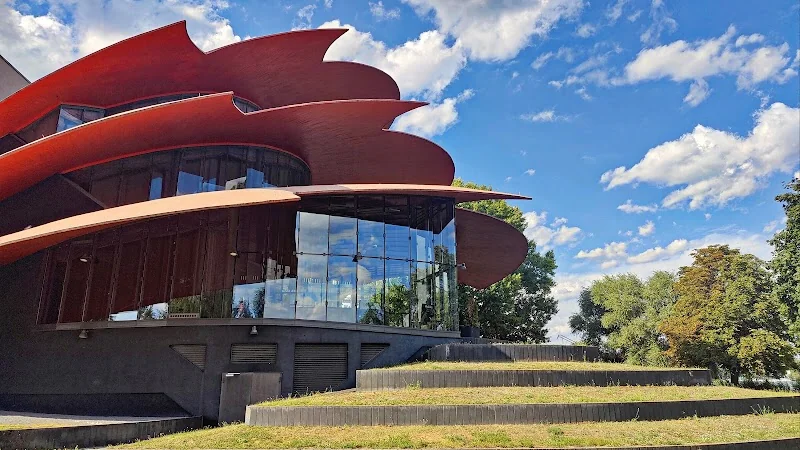
The Hans Otto Theater is the cultural heart of the location. The theater of the state capital Potsdam presents a modern repertoire from classical drama to musical performances, guest performances, and readings. Since 2006, it has been located in the Great House by the Tiefen See, designed by Gottfried Böhm, which with its curved red roof has long become a landmark of the city. In the new house, the auditorium has up to 485 seats, and the riding hall complements the ensemble as another venue. For many guests, the theater is the main reason to visit Schiffbauergasse because here demanding stage, striking architecture, and a prime waterfront location come together directly. ([potsdam.de](https://www.potsdam.de/de/hans-otto-theater-gmbh))
The Waschhaus also represents the cultural diversity of the quarter. The Waschhaus Arena, with 700 square meters, is the largest event hall of the house and can accommodate up to 1,200 visitors. It is suitable for concerts, readings, cabaret, comedy, club events, corporate celebrations, exhibitions, and fairs. This is complemented by the broad program of the Waschhaus, which has shaped the music, art, and cultural scene of the city for many years. For many visitors, the Waschhaus is therefore the place where Schiffbauergasse most clearly shows its open, urban, and experimental side. The combination of cultural center, hall operation, and location directly at the quarter makes the house a particularly flexible component of the location. ([schiffbauergasse.de](https://schiffbauergasse.de/location/waschhaus-arena))
In addition, the Schinkelhalle plays an important role as a multifunctional event hall. Its 700 square meter hall can be used as a banquet location for up to 400 guests or for workshops, specialist conferences, and meetings with up to 600 participants. The T-Werk complements the quarter with a theater hall, a rehearsal stage, a theater café, and a conference room. Together with the studio house, the fabrik Potsdam, and other cultural venues, a close network of stages, rehearsal rooms, and event spaces is created. This density explains why Schiffbauergasse is attractive not only for the audience but also for organizers: Here, rooms with history and professional technology stand side by side without the place losing its independent atmosphere. ([schiffbauergasse.de](https://schiffbauergasse.de/location/schinkelhalle))
Restaurants, Cafés, and Water Experiences at Tiefen See
Schiffbauergasse includes not only theaters and exhibitions but also a remarkable gastronomic variety. The Ristorante Il Teatro is located directly by the Tiefen See and offers Italian and Mediterranean cuisine with an extensive wine selection. Particularly attractive are the terrace for up to 80 guests in summer, the winter garden for up to 100 people, and the additional rooms in the tower of the old Zichorienmühle. Thus, the house is not only a restaurant but also a small event location with a strong view of water, shore, and architecture. Especially in the evening, this place unfolds a special effect because the food here is closely linked to the landscape and the theater environment. ([schiffbauergasse.de](https://schiffbauergasse.de/location/ristorante-il-teatro))
The OTTO in the Hans Otto Theater is also an important meeting point. It explicitly sees itself as a place for employees, theater guests, and neighbors of Schiffbauergasse. The menu features two warm dishes, including a vegetarian option, and at lunchtime, the offer is geared towards lunch. This makes the house a very practical address if you want to eat before a performance or take a break between two appointments. In Schiffbauergasse, this is particularly sensible gastronomically because many paths are short and culture and enjoyment can be connected without detours. So, those searching for Schiffbauergasse restaurant will find not only a single establishment but a small culinary landscape with different offerings for various times of the day. ([hansottotheater.de](https://www.hansottotheater.de/essen-und-trinken/))
By the water lies the Marina Seeterrasse, which offers Mediterranean cuisine, sandy beach, palm trees, and a view over the Tiefen See, conveying an almost vacation-like feeling. It is open daily from April to October and is suitable for guests who want to drink, eat, or simply sit by the water in a relaxed atmosphere. The marina at Tiefen See itself is even more diverse: There are 70 berths, a harbor office, boat rentals, kayaks, SUP boards, a guest raft, and even a boat driving school. Those who want to experience the location from the water side can switch directly into the cultural quarter here, from the boat into the exhibition or the restaurant. This is one of the special features of Schiffbauergasse that cannot be compared with a normal city quarter. ([schiffbauergasse.de](https://schiffbauergasse.de/poi/capriole-in-der-marina-am-tiefen-see))
Smaller, charming places also shape the picture. The circus wagon of Café Wiesel stands directly next to the playground Floßpiraten and offers ice cream, coffee, tea, flammkuchen, snacks, and cakes during the summer months. This makes it particularly suitable for families, walkers, and guests who want to use the quarter away from large evening events. The public canoe rest area perfectly complements this offer: It is intended for muscle-powered sports boats and provides a free entry and exit point in close proximity to the marina. Thus, Schiffbauergasse not only becomes an address for culture but also a place for movement, water breaks, and small breaks outdoors. ([schiffbauergasse.de](https://schiffbauergasse.de/poi/wiesel))
Accessibility, Opening Hours, and Practical Information
A major advantage of the quarter is its clear visitor logic. The area of Schiffbauergasse is accessible 24 hours a day, while the individual facilities have their own opening hours. The parking garage is also open continuously. For guests, this means a lot of flexibility: You can walk through exhibitions during the day, go to the theater in the evening, and leave easily at night. Those who want to orient themselves in advance will find a very good structure on the location pages, in the event areas, and at the individual houses. Especially in a quarter with many neighbors, this openness is important because it makes the place easy to read despite its size. ([schiffbauergasse.de](https://schiffbauergasse.de/besuch-planen/offnungszeiten))
Accessible planning is also well considered. The website mentions several accessible stops and parking options as well as a public wheelchair-accessible toilet at the Offizze in Schiffbauergasse 7. The museum FLUXUS+, Schinkelhalle, and Waschhaus Arena have accessible entrances, and the Hans Otto Theater offers wheelchair spaces in the Great House and in the riding hall if notified in advance. Those traveling with companions or relying on short distances can therefore visit Schiffbauergasse well without having to improvise. Especially in a cultural quarter with various houses, this is an important quality feature. ([schiffbauergasse.de](https://schiffbauergasse.de/besuch-planen/barrierefreiheit))
Another plus is the guided tours. Schiffbauergasse itself offers guided visits, including city tours through the quarter and thematic walks that bring the history and individual houses closer. Particularly exciting is the tour of the Hans Otto Theater, where guests can look behind the scenes and gain insights into stage technology, carpentry, painting room, and costume fund. Those who want to not only visit the place but understand it gain very good access to its architecture and cultural self-understanding. This is particularly interesting for people searching for Schiffbauergasse Potsdam Map, events, or history and wanting more than just a quick overview. ([schiffbauergasse.de](https://schiffbauergasse.de/besuch-planen/tickets?utm_source=openai))
In the end, Schiffbauergasse impressively shows how a historically grown area has become a modern cultural quarter. The place connects water, stage, gastronomy, exhibition, and leisure into a coherent whole. This makes it attractive for day visitors as well as for culture visitors, families, groups, and organizers. Whether you come for a theater evening, an exhibition, a meal with a lake view, or a boat tour: Schiffbauergasse always offers several reasons for a longer stay. This multidimensionality is the core of its success and the reason why it is perceived in Potsdam as a special experience quarter. ([schiffbauergasse.de](https://schiffbauergasse.de/poi/uber-den-standort))
Sources:
- State Capital Potsdam – Schiffbauergasse, the Experience Quarter
- Schiffbauergasse – Arrival & Parking
- Schiffbauergasse – History
- Hans Otto Theater – Visit
- Schinkelhalle – Schiffbauergasse
- museum FLUXUS+ – Schiffbauergasse
- Waschhaus Arena – Schiffbauergasse
- Ristorante Il Teatro – Schiffbauergasse
- Marina at Tiefen See – Schiffbauergasse
Mehr anzeigenWeniger anzeigen
Schiffbauergasse | Arrival & Parking
The Schiffbauergasse is much more than just a street in Potsdam: It is a vibrant art and culture quarter by the Tiefen See, where theater, exhibitions, gastronomy, water experiences, and modern businesses are closely located together. Those who visit Schiffbauergasse experience a place where historical building substance, creative use, and a location by the water create an exceptionally strong mix. The quarter is considered one of the most important attractions in the city, with a dense event offering, numerous neighbors, and an atmosphere that moves between an urban cultural site and a relaxed waterfront landscape. Particularly practical is the good accessibility: The area is accessible year-round, many areas are designed for visitor comfort, and both public transport and parking options are clearly organized on-site. Schiffbauergasse is suitable for a spontaneous outing as well as for a planned evening at the theater, an exhibition visit, or a day between the harbor, gastronomy, and culture. ([schiffbauergasse.de](https://schiffbauergasse.de/poi/uber-den-standort))
Arrival, Parking, and Map of Schiffbauergasse
Those looking for Schiffbauergasse Potsdam Maps, Schiffbauergasse Map, or simply the best way to get there will find a quarter with very clear routes. The official website describes the area as being about two kilometers from Potsdam Central Station, idyllically located by the Tiefen See and near the Glienicke Bridge. Coming from Berlin, both the regional trains RE1 and RB21/RB22 as well as the S7 to Potsdam Central Station are suitable options; from there, tram lines 93, 94, and 99 go directly into the quarter. This connection is particularly attractive because it makes the culturally rich waterfront area easily accessible without detours, and one does not have to search long from the station. Especially for guests attending an evening performance or wanting to combine several places during the day, the close connection to public transport is a real advantage. The digital orientation on-site also helps to switch between buildings without stress. ([schiffbauergasse.de](https://schiffbauergasse.de/besuch-planen/anreise-and-parken))
For driving by car, the website explicitly recommends entering the area Schiffbauergasse 1–17 into the navigation device. Those targeting a single building can use the respective house number, which is particularly helpful given the many neighbors. The quarter has paid parking spaces and a parking garage available; visitors to cultural events pay 3 euros per stay during the mentioned evening or weekend times with a culture ticket. Outside of these times, standard rates apply with hourly and daily rates. The parking garage is open continuously, seven days a week, around the clock, making Schiffbauergasse practical for late performances, premieres, and long event days. Because the number of parking spaces is limited, the operators still recommend using public transport for many events. ([schiffbauergasse.de](https://schiffbauergasse.de/besuch-planen/anreise-and-parken))
Even those arriving by bicycle, e-scooter, or boat will find suitable paths at Schiffbauergasse. The area has bike racks, and the quarter is integrated into the Potsdam bike rental system. For water enthusiasts, the location by the Tiefen See is a real plus: The quarter has a boat landing, a public canoe rest area, and even the option to arrive via the Potsdam water taxi. From April to October, the water taxi is an attractive alternative for those who want to experience Potsdam through the lake landscape. This variety of routes fits very well with the character of the location: Schiffbauergasse is not only a destination for culture but also a transition between city, water, and landscape. This is precisely why the place works so well for day visitors, groups, and guests who want to combine multiple activities. ([schiffbauergasse.de](https://schiffbauergasse.de/besuch-planen/anreise-and-parken))
For people with limited mobility, orientation is also well thought out. The nearest stops Schiffbauergasse/Berliner Straße, Potsdam, Holzmarktstraße, and Schiffbauergasse/Uferweg are accessible, and several places in the quarter have accessible parking spaces, including in the Contipark parking garage, at the Schirrhof, and at the Hans Otto Theater. A public wheelchair-accessible toilet is located at the Offizze in Schiffbauergasse 7. So, those searching for Schiffbauergasse Maps or Schiffbauergasse Map will find not only a site plan in practice but also a well-developed visitor area with clear access points, useful shortcuts, and an infrastructure tailored to different target groups. ([schiffbauergasse.de](https://schiffbauergasse.de/besuch-planen/barrierefreiheit))
Events, Tickets, and Current Program
A central search interest around Schiffbauergasse is the program: What is happening today, where can I get tickets, and which event fits which occasion? The answer is simple: The quarter offers a diverse cultural program throughout the year. The area features a mix of theater, concerts, dance, readings, exhibitions, festivals, workshops, and guided tours. The mix of institutional venues and open formats is particularly strong, as visitors can experience very different formats in one place without having to walk long distances. The website explicitly mentions outdoor offerings and large-scale events in the open air. Thus, Schiffbauergasse is not only interesting for classic evening appointments but also for daytime programs, family outings, and creative weekends. Those who want to keep track of multiple appointments benefit from the fact that the institutions closely link their calendars with the location. ([schiffbauergasse.de](https://schiffbauergasse.de/besuch-planen/tickets?utm_source=openai))
Tickets for events and guided tours are available online through the event calendar, through the websites of the individual cultural institutions, or at advance sales points in Potsdam. For the Hans Otto Theater, there is also a box office directly on-site at Schiffbauergasse 11, with fixed opening hours during the week and on Saturday. This is convenient for those who decide spontaneously or want personal advice before a performance. Important additional information is also well organized: Many tickets are valid in the VBB fare zone Berlin ABC three hours before and after the performance as a ticket for public transport. This makes arrival easier for guests from Berlin and the surrounding area and lowers the barrier to spontaneously going to the theater or a concert in the evening. ([schiffbauergasse.de](https://schiffbauergasse.de/besuch-planen/tickets?utm_source=openai))
Schiffbauergasse does not stand for a single format but for a wide range of cultural use. The quarter features large stages, exhibition spaces, conference areas, and outdoor areas. The Schinkelhalle is suitable for congresses, gala dinners, workshops, specialist conferences, and meetings, the Waschhaus Arena is for concerts, cabaret, comedy, readings, fairs, and award ceremonies, and the museum FLUXUS+ offers space for workshops, press conferences, or receptions. This creates a location where classic cultural events and business formats come together without losing the character of the place. This mix makes Schiffbauergasse attractive for companies, culture fans, and groups: Here, performative art, professionally equipped event spaces, and a strong location by the water come together. ([schiffbauergasse.de](https://schiffbauergasse.de/location/schinkelhalle))
Those interested in guided tours also have a good selection. Schiffbauergasse offers city tours through the quarter, tours of the Hans Otto Theater, and other formats that reveal the place historically and architecturally. The theater tour not only shows the architecture but also stage technology, carpentry, painting room, and costume fund, meaning those areas that often remain hidden during a normal visit. Thus, Schiffbauergasse also caters to the search interest around Schiffbauergasse exhibition, Schiffbauergasse program, and Schiffbauergasse tickets, as the location is not just an event venue but a whole network of stage, art, and mediation. For visitors, this means: A single appointment can quickly turn into a whole cultural evening. ([schiffbauergasse.de](https://schiffbauergasse.de/programm/fuehrungen/durch-das-hans-otto-theater?utm_source=openai))
History of Schiffbauergasse: From Shipyard to Cultural Quarter
The historical depth of Schiffbauergasse is one of its greatest charms. The official history of the area begins long before the current cultural quarter: As early as 1779, commercial use by the Zichorienmühle is documented, which later became known as the Knochenhauer’sche Zichorien-Fabrique. Here, coffee substitute was produced from the roots of chicory, a product that was economically and culturally interesting during the Prussian era. This early use shows that the area was never just an open space but was repeatedly used economically and functionally. Even older are the archaeological traces that indicate a very long history of settlement. Schiffbauergasse is thus not an artificially created cultural site but a grown piece of the city, where several phases of use overlap. ([schiffbauergasse.de](https://schiffbauergasse.de/poi/gebaeude))
The name of the area comes from shipbuilding. In 1817, John Barnett Humphrey Jr. moved his steamship yard from Berlin to Potsdam and made the area known far beyond the city limits. In 1819, the Fürst Blücher was launched there, which was then considered the largest European steamship at 61 meters in length. This episode remains a central part of the identity of the quarter because it visibly makes the connection between technical innovation, waterfront location, and urban development. Today, walking through Schiffbauergasse means moving through an area that is significant not only culturally but also industrially. The name is therefore not a poetic metaphor but a direct reminder of an early industrial shipyard landscape. ([schiffbauergasse.de](https://schiffbauergasse.de/poi/geschichte))
In the 19th century, the area was characterized for a long time by military use. The Prussian Guard Hussars Regiment was present here for almost a century, and builder Carl Hampel planned stables and riding areas on the site starting in 1822 together with Karl Friedrich Schinkel. Later, riding halls, barracks, and functional buildings were added. The current Schinkelhalle goes back to this military past and is therefore not only an event venue but also a historical monument with clear historical layering. The Schirrhof, the former horse stables, and the entire ensemble also tell of this era. The architecture of today's cultural venues would hardly be conceivable in the same form without this historical background. ([schiffbauergasse.de](https://schiffbauergasse.de/poi/gebaeude))
The transformation into today's cultural mile began mainly in the late 20th century. In 1998, a venue for children's and youth theater was established in the riding hall, in 1999 the decision was made for the new theater building of the Hans Otto Theater on the newly developed area, and in 2006 the Great House was opened. Since 2008, the museum FLUXUS+ has been presenting contemporary art on the site, and since 1998, the fabrik Potsdam has also been anchored there. Thus, a quarter was created step by step, where culture does not function as a single object but as a system. The mix of historical architecture, creative industries, and public space continues to shape the character today and explains why Schiffbauergasse is so well received by visitors and locals alike. ([hansottotheater.de](https://www.hansottotheater.de/haus/))
Exhibitions, Stages, and Places with Character
Those searching for Schiffbauergasse exhibition will quickly land at museum FLUXUS+, one of the defining houses of the quarter. The museum shows works by German and international representatives of the Fluxus movement, one of the important art movements of the 20th century. On 450 square meters, spread over two levels, about eight exhibitions take place there each year. Additionally, there is a museum café, an accessible entrance, and an atrium that can be rented for workshops, press conferences, receptions, or private celebrations. Especially for visitors who want to combine contemporary art with a special place experience, the house is a strong anchor point in Schiffbauergasse. ([schiffbauergasse.de](https://schiffbauergasse.de/location/kunstraum-potsdam))
The Hans Otto Theater is the cultural heart of the location. The theater of the state capital Potsdam presents a modern repertoire from classical drama to musical performances, guest performances, and readings. Since 2006, it has been located in the Great House by the Tiefen See, designed by Gottfried Böhm, which with its curved red roof has long become a landmark of the city. In the new house, the auditorium has up to 485 seats, and the riding hall complements the ensemble as another venue. For many guests, the theater is the main reason to visit Schiffbauergasse because here demanding stage, striking architecture, and a prime waterfront location come together directly. ([potsdam.de](https://www.potsdam.de/de/hans-otto-theater-gmbh))
The Waschhaus also represents the cultural diversity of the quarter. The Waschhaus Arena, with 700 square meters, is the largest event hall of the house and can accommodate up to 1,200 visitors. It is suitable for concerts, readings, cabaret, comedy, club events, corporate celebrations, exhibitions, and fairs. This is complemented by the broad program of the Waschhaus, which has shaped the music, art, and cultural scene of the city for many years. For many visitors, the Waschhaus is therefore the place where Schiffbauergasse most clearly shows its open, urban, and experimental side. The combination of cultural center, hall operation, and location directly at the quarter makes the house a particularly flexible component of the location. ([schiffbauergasse.de](https://schiffbauergasse.de/location/waschhaus-arena))
In addition, the Schinkelhalle plays an important role as a multifunctional event hall. Its 700 square meter hall can be used as a banquet location for up to 400 guests or for workshops, specialist conferences, and meetings with up to 600 participants. The T-Werk complements the quarter with a theater hall, a rehearsal stage, a theater café, and a conference room. Together with the studio house, the fabrik Potsdam, and other cultural venues, a close network of stages, rehearsal rooms, and event spaces is created. This density explains why Schiffbauergasse is attractive not only for the audience but also for organizers: Here, rooms with history and professional technology stand side by side without the place losing its independent atmosphere. ([schiffbauergasse.de](https://schiffbauergasse.de/location/schinkelhalle))
Restaurants, Cafés, and Water Experiences at Tiefen See
Schiffbauergasse includes not only theaters and exhibitions but also a remarkable gastronomic variety. The Ristorante Il Teatro is located directly by the Tiefen See and offers Italian and Mediterranean cuisine with an extensive wine selection. Particularly attractive are the terrace for up to 80 guests in summer, the winter garden for up to 100 people, and the additional rooms in the tower of the old Zichorienmühle. Thus, the house is not only a restaurant but also a small event location with a strong view of water, shore, and architecture. Especially in the evening, this place unfolds a special effect because the food here is closely linked to the landscape and the theater environment. ([schiffbauergasse.de](https://schiffbauergasse.de/location/ristorante-il-teatro))
The OTTO in the Hans Otto Theater is also an important meeting point. It explicitly sees itself as a place for employees, theater guests, and neighbors of Schiffbauergasse. The menu features two warm dishes, including a vegetarian option, and at lunchtime, the offer is geared towards lunch. This makes the house a very practical address if you want to eat before a performance or take a break between two appointments. In Schiffbauergasse, this is particularly sensible gastronomically because many paths are short and culture and enjoyment can be connected without detours. So, those searching for Schiffbauergasse restaurant will find not only a single establishment but a small culinary landscape with different offerings for various times of the day. ([hansottotheater.de](https://www.hansottotheater.de/essen-und-trinken/))
By the water lies the Marina Seeterrasse, which offers Mediterranean cuisine, sandy beach, palm trees, and a view over the Tiefen See, conveying an almost vacation-like feeling. It is open daily from April to October and is suitable for guests who want to drink, eat, or simply sit by the water in a relaxed atmosphere. The marina at Tiefen See itself is even more diverse: There are 70 berths, a harbor office, boat rentals, kayaks, SUP boards, a guest raft, and even a boat driving school. Those who want to experience the location from the water side can switch directly into the cultural quarter here, from the boat into the exhibition or the restaurant. This is one of the special features of Schiffbauergasse that cannot be compared with a normal city quarter. ([schiffbauergasse.de](https://schiffbauergasse.de/poi/capriole-in-der-marina-am-tiefen-see))
Smaller, charming places also shape the picture. The circus wagon of Café Wiesel stands directly next to the playground Floßpiraten and offers ice cream, coffee, tea, flammkuchen, snacks, and cakes during the summer months. This makes it particularly suitable for families, walkers, and guests who want to use the quarter away from large evening events. The public canoe rest area perfectly complements this offer: It is intended for muscle-powered sports boats and provides a free entry and exit point in close proximity to the marina. Thus, Schiffbauergasse not only becomes an address for culture but also a place for movement, water breaks, and small breaks outdoors. ([schiffbauergasse.de](https://schiffbauergasse.de/poi/wiesel))
Accessibility, Opening Hours, and Practical Information
A major advantage of the quarter is its clear visitor logic. The area of Schiffbauergasse is accessible 24 hours a day, while the individual facilities have their own opening hours. The parking garage is also open continuously. For guests, this means a lot of flexibility: You can walk through exhibitions during the day, go to the theater in the evening, and leave easily at night. Those who want to orient themselves in advance will find a very good structure on the location pages, in the event areas, and at the individual houses. Especially in a quarter with many neighbors, this openness is important because it makes the place easy to read despite its size. ([schiffbauergasse.de](https://schiffbauergasse.de/besuch-planen/offnungszeiten))
Accessible planning is also well considered. The website mentions several accessible stops and parking options as well as a public wheelchair-accessible toilet at the Offizze in Schiffbauergasse 7. The museum FLUXUS+, Schinkelhalle, and Waschhaus Arena have accessible entrances, and the Hans Otto Theater offers wheelchair spaces in the Great House and in the riding hall if notified in advance. Those traveling with companions or relying on short distances can therefore visit Schiffbauergasse well without having to improvise. Especially in a cultural quarter with various houses, this is an important quality feature. ([schiffbauergasse.de](https://schiffbauergasse.de/besuch-planen/barrierefreiheit))
Another plus is the guided tours. Schiffbauergasse itself offers guided visits, including city tours through the quarter and thematic walks that bring the history and individual houses closer. Particularly exciting is the tour of the Hans Otto Theater, where guests can look behind the scenes and gain insights into stage technology, carpentry, painting room, and costume fund. Those who want to not only visit the place but understand it gain very good access to its architecture and cultural self-understanding. This is particularly interesting for people searching for Schiffbauergasse Potsdam Map, events, or history and wanting more than just a quick overview. ([schiffbauergasse.de](https://schiffbauergasse.de/besuch-planen/tickets?utm_source=openai))
In the end, Schiffbauergasse impressively shows how a historically grown area has become a modern cultural quarter. The place connects water, stage, gastronomy, exhibition, and leisure into a coherent whole. This makes it attractive for day visitors as well as for culture visitors, families, groups, and organizers. Whether you come for a theater evening, an exhibition, a meal with a lake view, or a boat tour: Schiffbauergasse always offers several reasons for a longer stay. This multidimensionality is the core of its success and the reason why it is perceived in Potsdam as a special experience quarter. ([schiffbauergasse.de](https://schiffbauergasse.de/poi/uber-den-standort))
Sources:
- State Capital Potsdam – Schiffbauergasse, the Experience Quarter
- Schiffbauergasse – Arrival & Parking
- Schiffbauergasse – History
- Hans Otto Theater – Visit
- Schinkelhalle – Schiffbauergasse
- museum FLUXUS+ – Schiffbauergasse
- Waschhaus Arena – Schiffbauergasse
- Ristorante Il Teatro – Schiffbauergasse
- Marina at Tiefen See – Schiffbauergasse
Schiffbauergasse | Arrival & Parking
The Schiffbauergasse is much more than just a street in Potsdam: It is a vibrant art and culture quarter by the Tiefen See, where theater, exhibitions, gastronomy, water experiences, and modern businesses are closely located together. Those who visit Schiffbauergasse experience a place where historical building substance, creative use, and a location by the water create an exceptionally strong mix. The quarter is considered one of the most important attractions in the city, with a dense event offering, numerous neighbors, and an atmosphere that moves between an urban cultural site and a relaxed waterfront landscape. Particularly practical is the good accessibility: The area is accessible year-round, many areas are designed for visitor comfort, and both public transport and parking options are clearly organized on-site. Schiffbauergasse is suitable for a spontaneous outing as well as for a planned evening at the theater, an exhibition visit, or a day between the harbor, gastronomy, and culture. ([schiffbauergasse.de](https://schiffbauergasse.de/poi/uber-den-standort))
Arrival, Parking, and Map of Schiffbauergasse
Those looking for Schiffbauergasse Potsdam Maps, Schiffbauergasse Map, or simply the best way to get there will find a quarter with very clear routes. The official website describes the area as being about two kilometers from Potsdam Central Station, idyllically located by the Tiefen See and near the Glienicke Bridge. Coming from Berlin, both the regional trains RE1 and RB21/RB22 as well as the S7 to Potsdam Central Station are suitable options; from there, tram lines 93, 94, and 99 go directly into the quarter. This connection is particularly attractive because it makes the culturally rich waterfront area easily accessible without detours, and one does not have to search long from the station. Especially for guests attending an evening performance or wanting to combine several places during the day, the close connection to public transport is a real advantage. The digital orientation on-site also helps to switch between buildings without stress. ([schiffbauergasse.de](https://schiffbauergasse.de/besuch-planen/anreise-and-parken))
For driving by car, the website explicitly recommends entering the area Schiffbauergasse 1–17 into the navigation device. Those targeting a single building can use the respective house number, which is particularly helpful given the many neighbors. The quarter has paid parking spaces and a parking garage available; visitors to cultural events pay 3 euros per stay during the mentioned evening or weekend times with a culture ticket. Outside of these times, standard rates apply with hourly and daily rates. The parking garage is open continuously, seven days a week, around the clock, making Schiffbauergasse practical for late performances, premieres, and long event days. Because the number of parking spaces is limited, the operators still recommend using public transport for many events. ([schiffbauergasse.de](https://schiffbauergasse.de/besuch-planen/anreise-and-parken))
Even those arriving by bicycle, e-scooter, or boat will find suitable paths at Schiffbauergasse. The area has bike racks, and the quarter is integrated into the Potsdam bike rental system. For water enthusiasts, the location by the Tiefen See is a real plus: The quarter has a boat landing, a public canoe rest area, and even the option to arrive via the Potsdam water taxi. From April to October, the water taxi is an attractive alternative for those who want to experience Potsdam through the lake landscape. This variety of routes fits very well with the character of the location: Schiffbauergasse is not only a destination for culture but also a transition between city, water, and landscape. This is precisely why the place works so well for day visitors, groups, and guests who want to combine multiple activities. ([schiffbauergasse.de](https://schiffbauergasse.de/besuch-planen/anreise-and-parken))
For people with limited mobility, orientation is also well thought out. The nearest stops Schiffbauergasse/Berliner Straße, Potsdam, Holzmarktstraße, and Schiffbauergasse/Uferweg are accessible, and several places in the quarter have accessible parking spaces, including in the Contipark parking garage, at the Schirrhof, and at the Hans Otto Theater. A public wheelchair-accessible toilet is located at the Offizze in Schiffbauergasse 7. So, those searching for Schiffbauergasse Maps or Schiffbauergasse Map will find not only a site plan in practice but also a well-developed visitor area with clear access points, useful shortcuts, and an infrastructure tailored to different target groups. ([schiffbauergasse.de](https://schiffbauergasse.de/besuch-planen/barrierefreiheit))
Events, Tickets, and Current Program
A central search interest around Schiffbauergasse is the program: What is happening today, where can I get tickets, and which event fits which occasion? The answer is simple: The quarter offers a diverse cultural program throughout the year. The area features a mix of theater, concerts, dance, readings, exhibitions, festivals, workshops, and guided tours. The mix of institutional venues and open formats is particularly strong, as visitors can experience very different formats in one place without having to walk long distances. The website explicitly mentions outdoor offerings and large-scale events in the open air. Thus, Schiffbauergasse is not only interesting for classic evening appointments but also for daytime programs, family outings, and creative weekends. Those who want to keep track of multiple appointments benefit from the fact that the institutions closely link their calendars with the location. ([schiffbauergasse.de](https://schiffbauergasse.de/besuch-planen/tickets?utm_source=openai))
Tickets for events and guided tours are available online through the event calendar, through the websites of the individual cultural institutions, or at advance sales points in Potsdam. For the Hans Otto Theater, there is also a box office directly on-site at Schiffbauergasse 11, with fixed opening hours during the week and on Saturday. This is convenient for those who decide spontaneously or want personal advice before a performance. Important additional information is also well organized: Many tickets are valid in the VBB fare zone Berlin ABC three hours before and after the performance as a ticket for public transport. This makes arrival easier for guests from Berlin and the surrounding area and lowers the barrier to spontaneously going to the theater or a concert in the evening. ([schiffbauergasse.de](https://schiffbauergasse.de/besuch-planen/tickets?utm_source=openai))
Schiffbauergasse does not stand for a single format but for a wide range of cultural use. The quarter features large stages, exhibition spaces, conference areas, and outdoor areas. The Schinkelhalle is suitable for congresses, gala dinners, workshops, specialist conferences, and meetings, the Waschhaus Arena is for concerts, cabaret, comedy, readings, fairs, and award ceremonies, and the museum FLUXUS+ offers space for workshops, press conferences, or receptions. This creates a location where classic cultural events and business formats come together without losing the character of the place. This mix makes Schiffbauergasse attractive for companies, culture fans, and groups: Here, performative art, professionally equipped event spaces, and a strong location by the water come together. ([schiffbauergasse.de](https://schiffbauergasse.de/location/schinkelhalle))
Those interested in guided tours also have a good selection. Schiffbauergasse offers city tours through the quarter, tours of the Hans Otto Theater, and other formats that reveal the place historically and architecturally. The theater tour not only shows the architecture but also stage technology, carpentry, painting room, and costume fund, meaning those areas that often remain hidden during a normal visit. Thus, Schiffbauergasse also caters to the search interest around Schiffbauergasse exhibition, Schiffbauergasse program, and Schiffbauergasse tickets, as the location is not just an event venue but a whole network of stage, art, and mediation. For visitors, this means: A single appointment can quickly turn into a whole cultural evening. ([schiffbauergasse.de](https://schiffbauergasse.de/programm/fuehrungen/durch-das-hans-otto-theater?utm_source=openai))
History of Schiffbauergasse: From Shipyard to Cultural Quarter
The historical depth of Schiffbauergasse is one of its greatest charms. The official history of the area begins long before the current cultural quarter: As early as 1779, commercial use by the Zichorienmühle is documented, which later became known as the Knochenhauer’sche Zichorien-Fabrique. Here, coffee substitute was produced from the roots of chicory, a product that was economically and culturally interesting during the Prussian era. This early use shows that the area was never just an open space but was repeatedly used economically and functionally. Even older are the archaeological traces that indicate a very long history of settlement. Schiffbauergasse is thus not an artificially created cultural site but a grown piece of the city, where several phases of use overlap. ([schiffbauergasse.de](https://schiffbauergasse.de/poi/gebaeude))
The name of the area comes from shipbuilding. In 1817, John Barnett Humphrey Jr. moved his steamship yard from Berlin to Potsdam and made the area known far beyond the city limits. In 1819, the Fürst Blücher was launched there, which was then considered the largest European steamship at 61 meters in length. This episode remains a central part of the identity of the quarter because it visibly makes the connection between technical innovation, waterfront location, and urban development. Today, walking through Schiffbauergasse means moving through an area that is significant not only culturally but also industrially. The name is therefore not a poetic metaphor but a direct reminder of an early industrial shipyard landscape. ([schiffbauergasse.de](https://schiffbauergasse.de/poi/geschichte))
In the 19th century, the area was characterized for a long time by military use. The Prussian Guard Hussars Regiment was present here for almost a century, and builder Carl Hampel planned stables and riding areas on the site starting in 1822 together with Karl Friedrich Schinkel. Later, riding halls, barracks, and functional buildings were added. The current Schinkelhalle goes back to this military past and is therefore not only an event venue but also a historical monument with clear historical layering. The Schirrhof, the former horse stables, and the entire ensemble also tell of this era. The architecture of today's cultural venues would hardly be conceivable in the same form without this historical background. ([schiffbauergasse.de](https://schiffbauergasse.de/poi/gebaeude))
The transformation into today's cultural mile began mainly in the late 20th century. In 1998, a venue for children's and youth theater was established in the riding hall, in 1999 the decision was made for the new theater building of the Hans Otto Theater on the newly developed area, and in 2006 the Great House was opened. Since 2008, the museum FLUXUS+ has been presenting contemporary art on the site, and since 1998, the fabrik Potsdam has also been anchored there. Thus, a quarter was created step by step, where culture does not function as a single object but as a system. The mix of historical architecture, creative industries, and public space continues to shape the character today and explains why Schiffbauergasse is so well received by visitors and locals alike. ([hansottotheater.de](https://www.hansottotheater.de/haus/))
Exhibitions, Stages, and Places with Character
Those searching for Schiffbauergasse exhibition will quickly land at museum FLUXUS+, one of the defining houses of the quarter. The museum shows works by German and international representatives of the Fluxus movement, one of the important art movements of the 20th century. On 450 square meters, spread over two levels, about eight exhibitions take place there each year. Additionally, there is a museum café, an accessible entrance, and an atrium that can be rented for workshops, press conferences, receptions, or private celebrations. Especially for visitors who want to combine contemporary art with a special place experience, the house is a strong anchor point in Schiffbauergasse. ([schiffbauergasse.de](https://schiffbauergasse.de/location/kunstraum-potsdam))
The Hans Otto Theater is the cultural heart of the location. The theater of the state capital Potsdam presents a modern repertoire from classical drama to musical performances, guest performances, and readings. Since 2006, it has been located in the Great House by the Tiefen See, designed by Gottfried Böhm, which with its curved red roof has long become a landmark of the city. In the new house, the auditorium has up to 485 seats, and the riding hall complements the ensemble as another venue. For many guests, the theater is the main reason to visit Schiffbauergasse because here demanding stage, striking architecture, and a prime waterfront location come together directly. ([potsdam.de](https://www.potsdam.de/de/hans-otto-theater-gmbh))
The Waschhaus also represents the cultural diversity of the quarter. The Waschhaus Arena, with 700 square meters, is the largest event hall of the house and can accommodate up to 1,200 visitors. It is suitable for concerts, readings, cabaret, comedy, club events, corporate celebrations, exhibitions, and fairs. This is complemented by the broad program of the Waschhaus, which has shaped the music, art, and cultural scene of the city for many years. For many visitors, the Waschhaus is therefore the place where Schiffbauergasse most clearly shows its open, urban, and experimental side. The combination of cultural center, hall operation, and location directly at the quarter makes the house a particularly flexible component of the location. ([schiffbauergasse.de](https://schiffbauergasse.de/location/waschhaus-arena))
In addition, the Schinkelhalle plays an important role as a multifunctional event hall. Its 700 square meter hall can be used as a banquet location for up to 400 guests or for workshops, specialist conferences, and meetings with up to 600 participants. The T-Werk complements the quarter with a theater hall, a rehearsal stage, a theater café, and a conference room. Together with the studio house, the fabrik Potsdam, and other cultural venues, a close network of stages, rehearsal rooms, and event spaces is created. This density explains why Schiffbauergasse is attractive not only for the audience but also for organizers: Here, rooms with history and professional technology stand side by side without the place losing its independent atmosphere. ([schiffbauergasse.de](https://schiffbauergasse.de/location/schinkelhalle))
Restaurants, Cafés, and Water Experiences at Tiefen See
Schiffbauergasse includes not only theaters and exhibitions but also a remarkable gastronomic variety. The Ristorante Il Teatro is located directly by the Tiefen See and offers Italian and Mediterranean cuisine with an extensive wine selection. Particularly attractive are the terrace for up to 80 guests in summer, the winter garden for up to 100 people, and the additional rooms in the tower of the old Zichorienmühle. Thus, the house is not only a restaurant but also a small event location with a strong view of water, shore, and architecture. Especially in the evening, this place unfolds a special effect because the food here is closely linked to the landscape and the theater environment. ([schiffbauergasse.de](https://schiffbauergasse.de/location/ristorante-il-teatro))
The OTTO in the Hans Otto Theater is also an important meeting point. It explicitly sees itself as a place for employees, theater guests, and neighbors of Schiffbauergasse. The menu features two warm dishes, including a vegetarian option, and at lunchtime, the offer is geared towards lunch. This makes the house a very practical address if you want to eat before a performance or take a break between two appointments. In Schiffbauergasse, this is particularly sensible gastronomically because many paths are short and culture and enjoyment can be connected without detours. So, those searching for Schiffbauergasse restaurant will find not only a single establishment but a small culinary landscape with different offerings for various times of the day. ([hansottotheater.de](https://www.hansottotheater.de/essen-und-trinken/))
By the water lies the Marina Seeterrasse, which offers Mediterranean cuisine, sandy beach, palm trees, and a view over the Tiefen See, conveying an almost vacation-like feeling. It is open daily from April to October and is suitable for guests who want to drink, eat, or simply sit by the water in a relaxed atmosphere. The marina at Tiefen See itself is even more diverse: There are 70 berths, a harbor office, boat rentals, kayaks, SUP boards, a guest raft, and even a boat driving school. Those who want to experience the location from the water side can switch directly into the cultural quarter here, from the boat into the exhibition or the restaurant. This is one of the special features of Schiffbauergasse that cannot be compared with a normal city quarter. ([schiffbauergasse.de](https://schiffbauergasse.de/poi/capriole-in-der-marina-am-tiefen-see))
Smaller, charming places also shape the picture. The circus wagon of Café Wiesel stands directly next to the playground Floßpiraten and offers ice cream, coffee, tea, flammkuchen, snacks, and cakes during the summer months. This makes it particularly suitable for families, walkers, and guests who want to use the quarter away from large evening events. The public canoe rest area perfectly complements this offer: It is intended for muscle-powered sports boats and provides a free entry and exit point in close proximity to the marina. Thus, Schiffbauergasse not only becomes an address for culture but also a place for movement, water breaks, and small breaks outdoors. ([schiffbauergasse.de](https://schiffbauergasse.de/poi/wiesel))
Accessibility, Opening Hours, and Practical Information
A major advantage of the quarter is its clear visitor logic. The area of Schiffbauergasse is accessible 24 hours a day, while the individual facilities have their own opening hours. The parking garage is also open continuously. For guests, this means a lot of flexibility: You can walk through exhibitions during the day, go to the theater in the evening, and leave easily at night. Those who want to orient themselves in advance will find a very good structure on the location pages, in the event areas, and at the individual houses. Especially in a quarter with many neighbors, this openness is important because it makes the place easy to read despite its size. ([schiffbauergasse.de](https://schiffbauergasse.de/besuch-planen/offnungszeiten))
Accessible planning is also well considered. The website mentions several accessible stops and parking options as well as a public wheelchair-accessible toilet at the Offizze in Schiffbauergasse 7. The museum FLUXUS+, Schinkelhalle, and Waschhaus Arena have accessible entrances, and the Hans Otto Theater offers wheelchair spaces in the Great House and in the riding hall if notified in advance. Those traveling with companions or relying on short distances can therefore visit Schiffbauergasse well without having to improvise. Especially in a cultural quarter with various houses, this is an important quality feature. ([schiffbauergasse.de](https://schiffbauergasse.de/besuch-planen/barrierefreiheit))
Another plus is the guided tours. Schiffbauergasse itself offers guided visits, including city tours through the quarter and thematic walks that bring the history and individual houses closer. Particularly exciting is the tour of the Hans Otto Theater, where guests can look behind the scenes and gain insights into stage technology, carpentry, painting room, and costume fund. Those who want to not only visit the place but understand it gain very good access to its architecture and cultural self-understanding. This is particularly interesting for people searching for Schiffbauergasse Potsdam Map, events, or history and wanting more than just a quick overview. ([schiffbauergasse.de](https://schiffbauergasse.de/besuch-planen/tickets?utm_source=openai))
In the end, Schiffbauergasse impressively shows how a historically grown area has become a modern cultural quarter. The place connects water, stage, gastronomy, exhibition, and leisure into a coherent whole. This makes it attractive for day visitors as well as for culture visitors, families, groups, and organizers. Whether you come for a theater evening, an exhibition, a meal with a lake view, or a boat tour: Schiffbauergasse always offers several reasons for a longer stay. This multidimensionality is the core of its success and the reason why it is perceived in Potsdam as a special experience quarter. ([schiffbauergasse.de](https://schiffbauergasse.de/poi/uber-den-standort))
Sources:
- State Capital Potsdam – Schiffbauergasse, the Experience Quarter
- Schiffbauergasse – Arrival & Parking
- Schiffbauergasse – History
- Hans Otto Theater – Visit
- Schinkelhalle – Schiffbauergasse
- museum FLUXUS+ – Schiffbauergasse
- Waschhaus Arena – Schiffbauergasse
- Ristorante Il Teatro – Schiffbauergasse
- Marina at Tiefen See – Schiffbauergasse
Upcoming Events
Sound(g)arten 2026 – Crawfish
Enjoy a free open-air concert with Crawfish at Sound(g)arten of fabrik Potsdam on August 28, 2026.
Fritz Open Air 2026
Visit the famous Fritz Open Air 2026 in Potsdam. A colorful music festival at the Waschhaus site.
Schirrhof Nights: "The Rain Girl"
Experience the enchanting open-air theater "The Rain Girl" in Potsdam, suitable for the whole family.
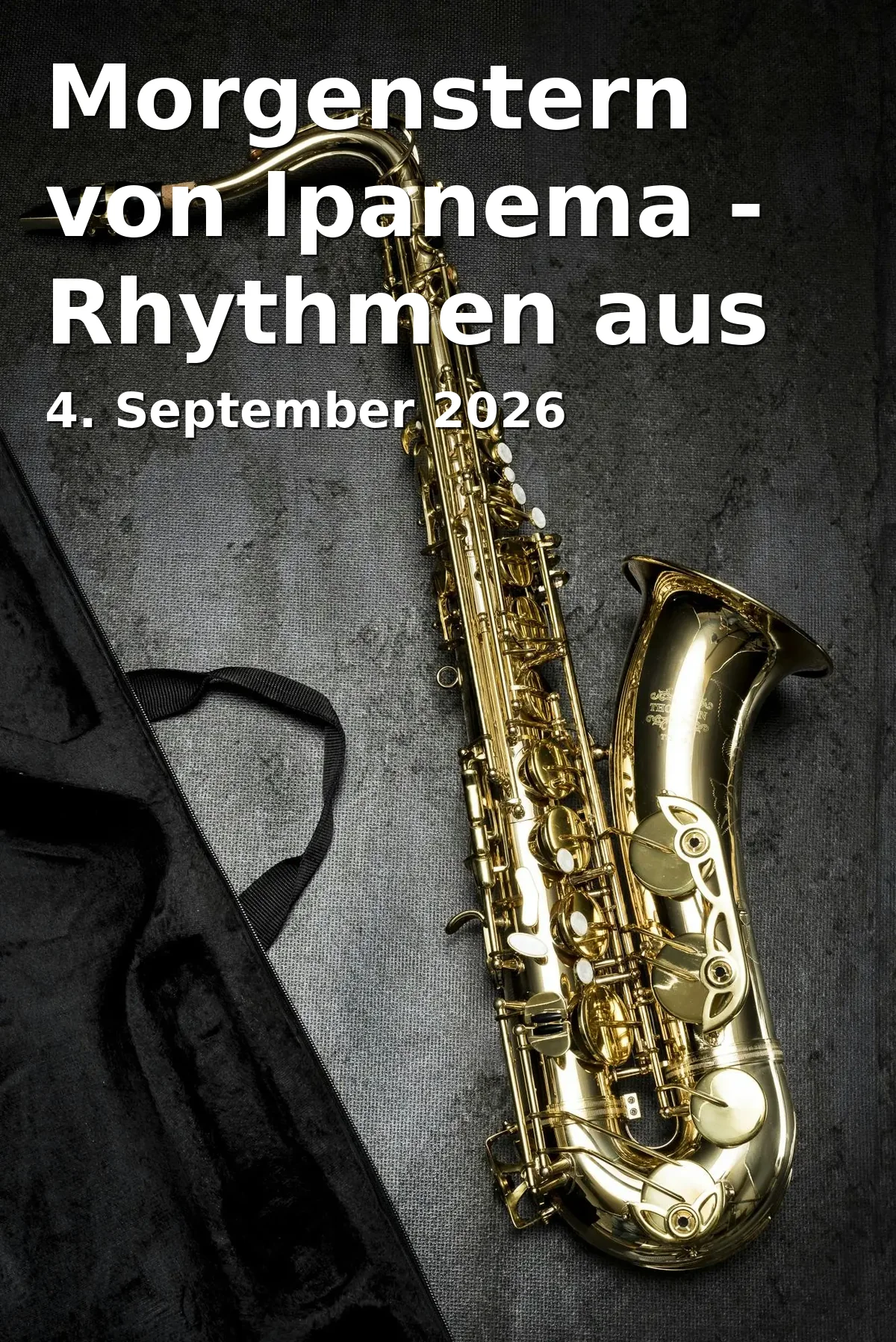
Morgenstern from Ipanema - Rhythms of Tango and Jazz
Enjoy Latin American rhythms between Tango and Jazz with Tobias Morgenstern on September 4 at Theaterschiff Potsdam.
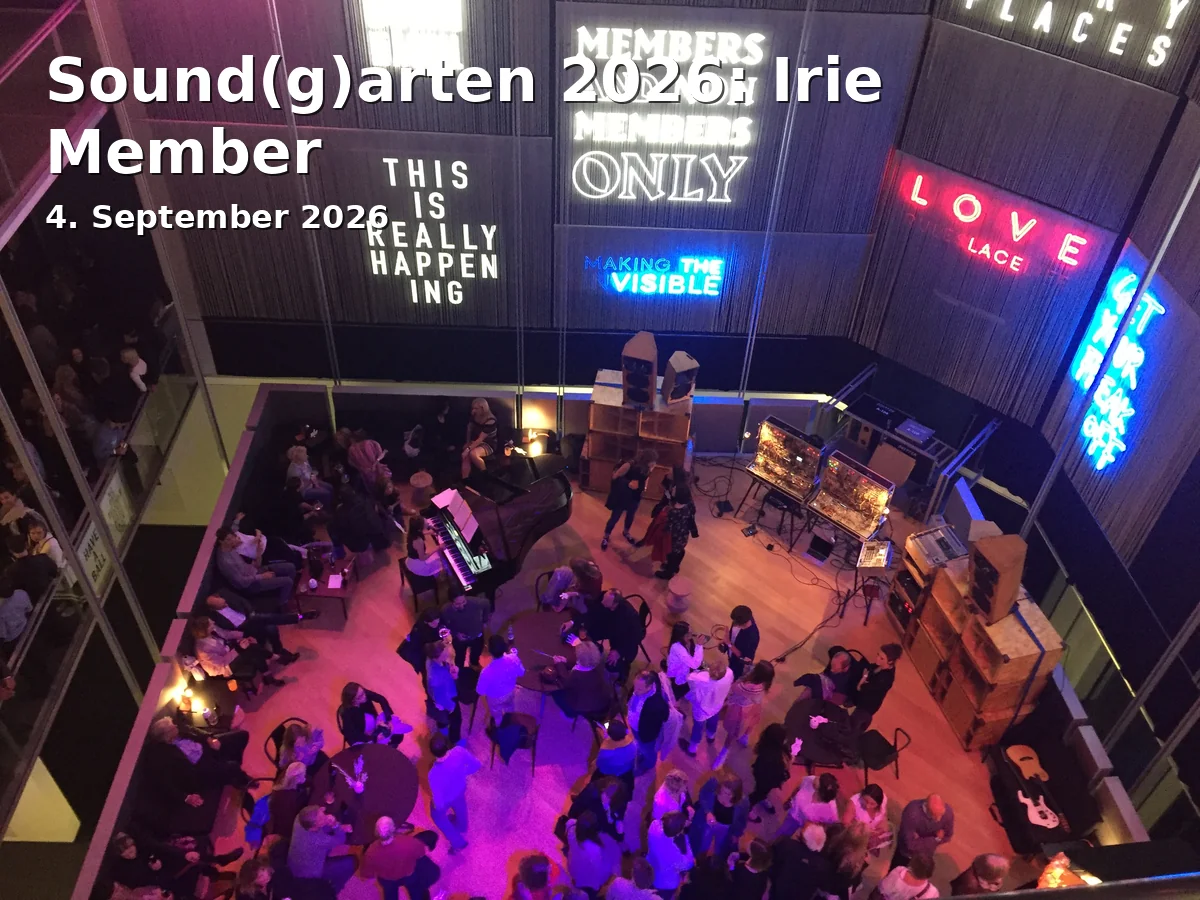
Sound(g)arten 2026: Irie Member
Enjoy an exhilarating reggae live concert with Irie Member at fabrik Potsdam. Don't miss it!
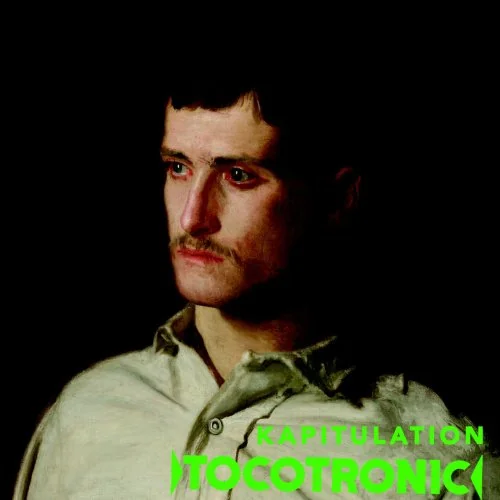
Tocotronic - Golden Years Tour 2026
Experience Tocotronic live on September 4, 2026, at Waschhaus Potsdam. A must for indie rock fans!

Irie Member live in Potsdam - Sound(g)arten 2026
Free reggae evening in Potsdam: Irie Member plays in the fabrikgarten with brass, dub, and summer groove. 04.09.2026, 7 PM. #Potsdam #Live
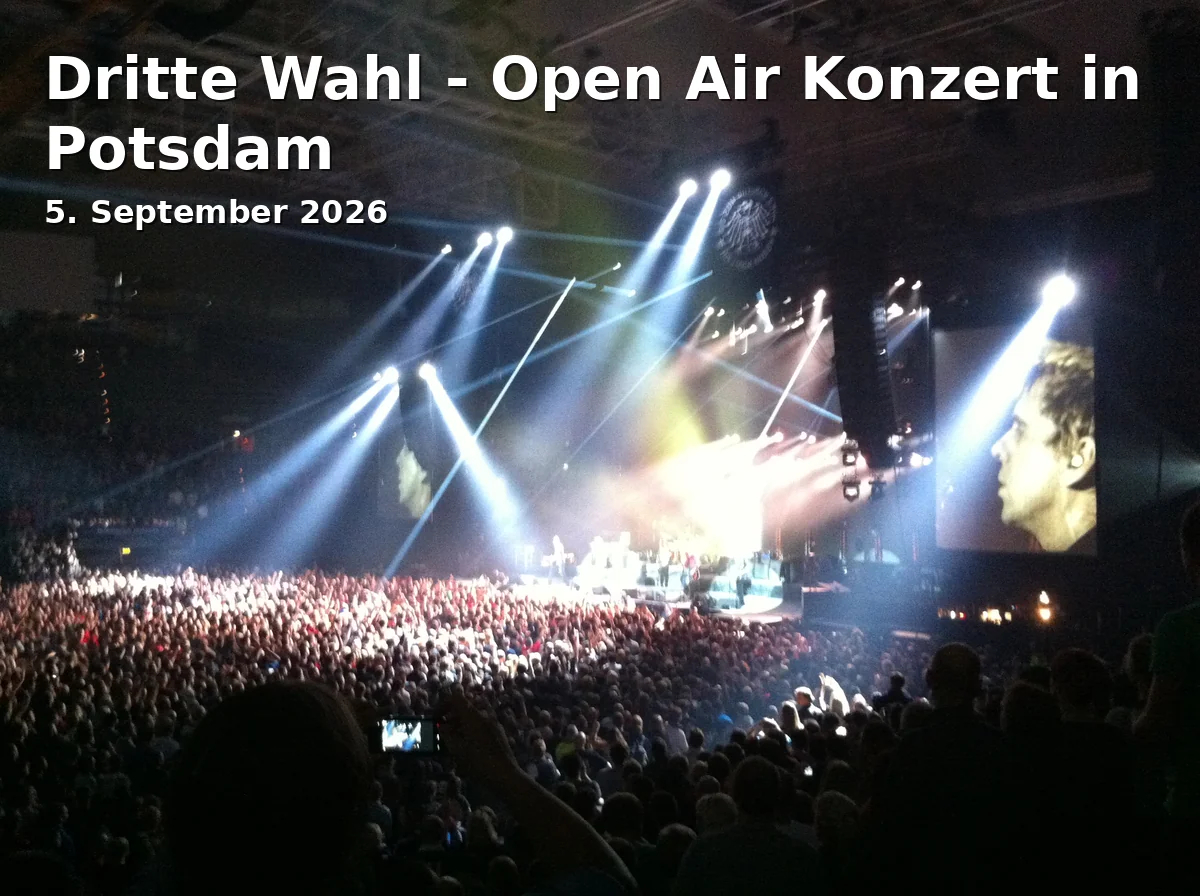
Dritte Wahl - Open Air Concert in Potsdam
Experience the open-air concert by Dritte Wahl at Waschhaus Potsdam on September 5, 2026.
THE NIBELUNGEN
Experience the classic drama at Hans Otto Theater Potsdam. Excitement and intrigue await you!

Season Opening | Shard – Ceren Oran & Moving Borders (Munich)
An evening full of tension and quiet force: Shard opens the season at fabrik Potsdam with intense dance art. 11.09.2026, price to follow. #Theater #Dance
Frequently Asked Questions
Reviews
No reviews found