
Jacques Forestier
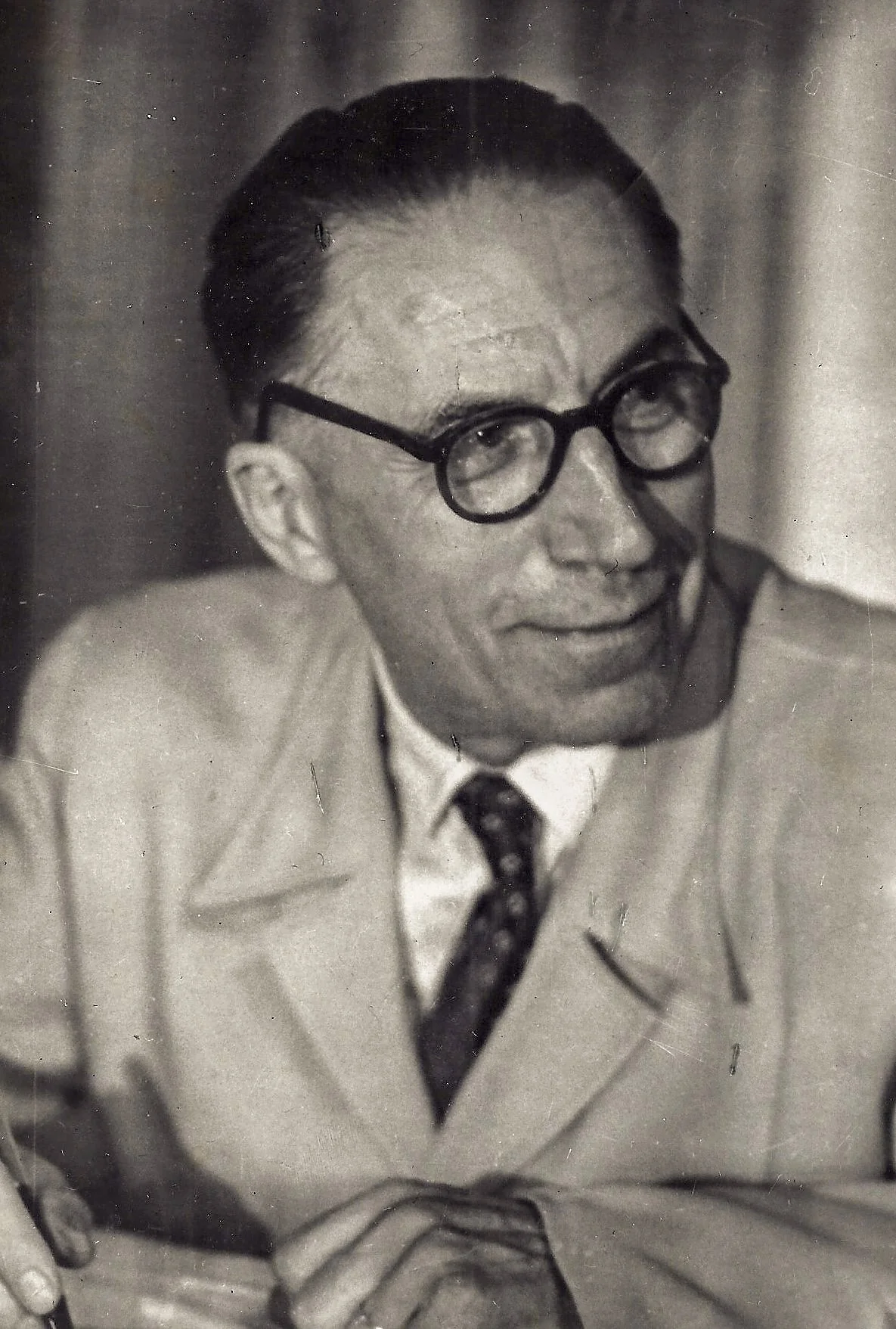
Image from Wikipedia
Image from Wikipedia
Jacques Forestier: Doctor, Rugby Olympic Medalist, and Pioneer of French Rheumatology
An Extraordinary Life Between Clinic, War, and Olympic Sports
Jacques Forestier was not a typical historical figure with just a single role; he was a man of remarkable complexity. Born on July 27, 1890, in Aix-les-Bains and died on March 15, 1978, in Paris, he combined medical excellence, military courage, and athletic performance into a biography that stands out in French history. As an internist and rheumatologist, he was among the defining doctors of his field, while also winning a silver medal in Rugby Union with France at the 1920 Olympic Games.
His name represents a generation that did not see science and physical discipline as opposing forces. Forestier was regarded as a war hero of World War I, was appointed Commander of the Legion of Honor, and was honored with the Croix de guerre and other awards. His career exemplifies a rare triad of medical authority, athletic prowess, and public recognition.
Background and Early Influences in Aix-les-Bains
Forestier came from a medically oriented family in Aix-les-Bains, a town whose spa tradition sharpened the focus on healing and therapy early on. This background provides an important context for his later path into internal medicine and rheumatology. Even his family environment suggests a closeness to medical thinking and practical care.
The connection between physical activity and medical observation significantly shaped his later profile. Forestier appeared not only as a doctor but also as an athlete who embodied the performance ethos of the early 20th century. This very combination made him an unusual personality of his time.
World War I and the Award for Bravery
During World War I, Forestier established himself as a military doctor and demonstrated exceptional courage. Sources describe him as a war hero who was awarded the Croix de guerre for his service and elevated to the rank of Commander of the Legion of Honor. Such honors underscore that his biography extended far beyond that of a mere specialist.
After the war, he began his residency in Paris and worked at the Assistance Publique. There, he made significant contributions to radiodiagnostics with Lipiodol, solidifying his reputation as an innovative physician. In this way, Forestier became a key figure in modern French medicine, closely linking diagnostics and clinical observation.
A Pioneer of Rheumatology
Forestier is regarded as one of the founders of French rheumatology. His clinical work and intellectual curiosity led to a scientific authority that garnered attention well beyond France. Medical reference works describe him as an internationally renowned rheumatologist who provided significant impulses to the field.
He became particularly well-known by the nickname "Doctor Lipiodol," a nod to his role in developing imaging techniques in medicine. The combination of research, clinical practice, and diagnostic innovation made him a central figure in the history of rheumatology. His scientific contributions to spinal and joint diseases further solidified his standing in the medical canon.
Rugby, the Olympics, and the Discipline of Elite Sports
Alongside his medical career, Forestier was a serious high-performance athlete. He played rugby at a high level and reached the final of the French Rugby Union Championship in 1912/13 with the Sporting Club Universitaire de France even before his Olympic career. This sporting experience shaped his physical presence and competitive resilience.
At the 1920 Olympic Games in Antwerp, he won a silver medal with the French rugby national team. France lost to the USA in the tournament, but participation made Forestier an Olympic medalist and a figure who connects sports history and medical history. Additionally, he played an international match against Wales in the same year at the Five Nations Tournament.
International Sports Diversity: Rugby, Swimming, and Skiing
Forestier was not limited to a single discipline; he also represented France in swimming and skiing at international competitions. This versatility is characteristic of his era, when athletes often mastered multiple disciplines and had a comprehensive understanding of their physical capabilities. His profile was that of a true all-round athlete.
This breadth makes his sporting significance historically interesting. Forestier embodied a type of athlete who combined medical education, military experience, and athletic discipline in one person. This grants his biography a rare depth and cultural richness.
Medical Impact and Scientific Legacy
Forestier's name remains present in medicine today. His work in rheumatology and his diagnostic techniques are part of the development through which the field gained independence in the 20th century. The specialist literature particularly highlights his role in the practical and theoretical formulation of rheumatological diagnoses.
His legacy consists not only of individual publications or methods but of a whole approach to medicine. Forestier linked clinical observation, technical innovation, and a deep understanding of the human body. In the history of French medicine, he embodies progress, precision, and public responsibility.
Public Recognition and Historical Significance
The honors that Forestier received speak clearly. His appointment as Commander of the Legion of Honor and the awarding of the Croix de guerre document his extraordinary merits during the war, while his Olympic silver medal attests to his athletic achievement. Rarely do so many forms of social recognition converge in a single biography.
His life also tells something about France in the early 20th century: about war, national renewal, medical progress, and the rise of organized elite sports. In this context, Forestier stands as a symbol of a generation that proved itself across multiple social fields at once. This is precisely where the enduring fascination with his person lies.
Conclusion: Why Jacques Forestier Continues to Impress
Jacques Forestier remains captivating because he crossed boundaries: between clinic and sports field, between science and public fame, between military service and civilian reconstruction work. His biography connects medical pioneering efforts with Olympic success, making him an extraordinary figure in French history. Those interested in sports history, medical history, and strong life stories will find in Forestier a personality of rare density.
His versatility makes him timelessly interesting. Forestier shows how closely discipline, insight, and commitment can be intertwined. His story deserves attention because it tells of courage, precision, and achievement.
Official Channels of Jacques Forestier:
- Instagram: No official profile found
- Facebook: No official profile found
- YouTube: No official profile found
- Spotify: No official profile found
- TikTok: No official profile found
Sources:
Upcoming Events
Musical Salon: American Songs
Munich Symphony Orchestra at the Fürth City Theatre
My Homeland with Ariane Matiakh & Jacques Forestier