
Erna Kretschmann
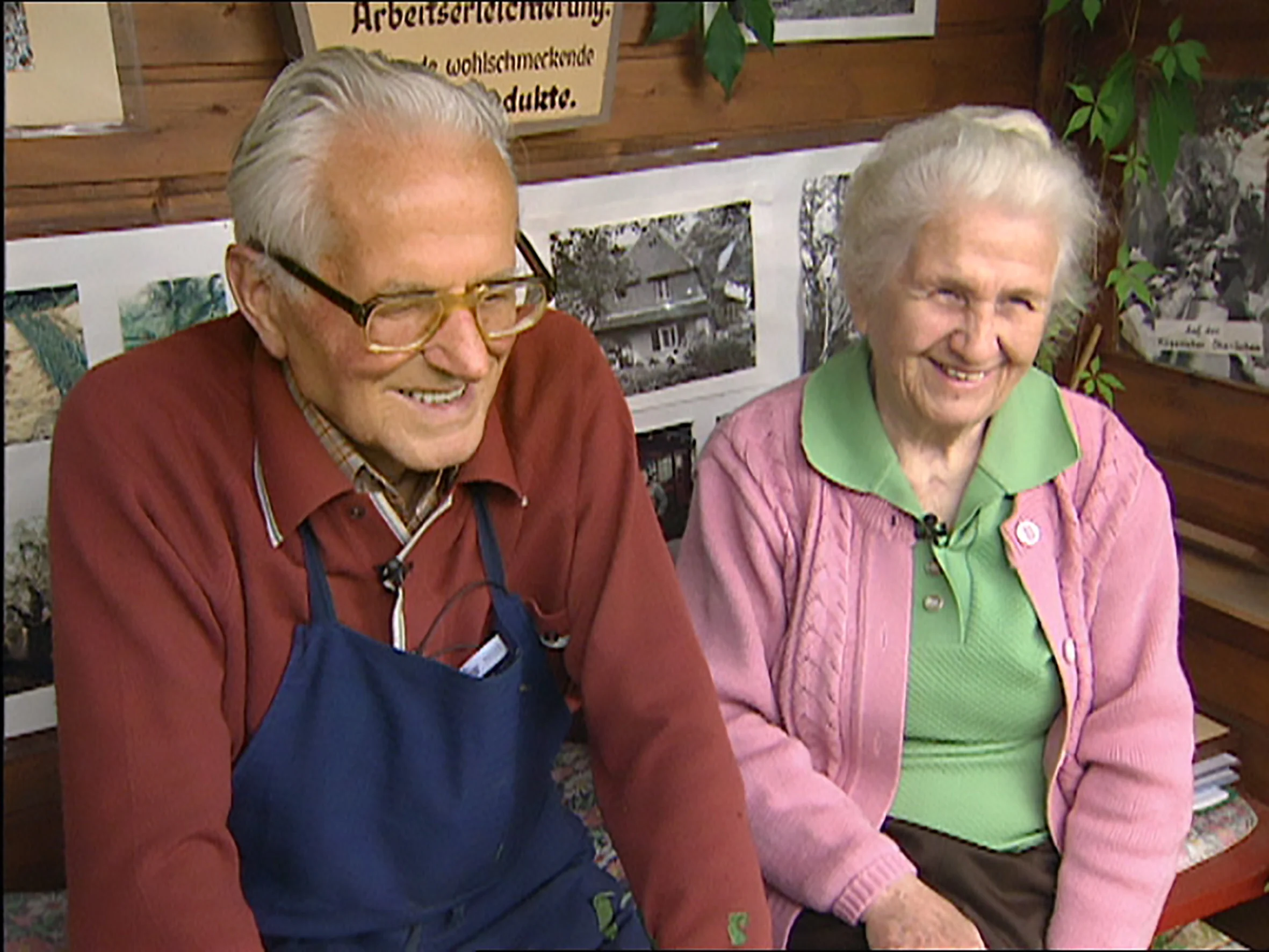
Image from Wikipedia
Image from Wikipedia
Erna Kretschmann – Conservation with Attitude, Courage, and Sustainable Impact
A Pivotal Figure in East German Conservation
Erna Kretschmann, born as Erna Jahnke on November 12, 1912, in Bollinken near Stettin and passed away on January 6, 2001, in Bad Freienwalde (Oder), was one of the defining personalities of conservation in East Germany. Together with her husband, Kurt Kretschmann, she created structures, ideas, and tangible places that made nature and environmental protection visible for decades. The couple is still regarded as “the mother and father of East German conservation.” ([de.wikipedia.org](https://de.wikipedia.org/wiki/Erna_Kretschmann?utm_source=openai))
To understand Erna Kretschmann, one must look at a biography where political commitment, pacifism, vegetarianism, and practical conservation work intertwine. She was not a figure on the grand stage but a creator in the best sense: reliable, organized, persuasive, and with a strong sense of responsibility. Her work is closely linked to Bad Freienwalde, where much of her life and legacy are concentrated. ([de.wikipedia.org](https://de.wikipedia.org/wiki/Erna_Kretschmann?utm_source=openai))
Early Years and Political Awakening
Erna Jahnke grew up during a time of profound political and social upheaval. After World War II, she joined the KPD in 1946, was elected to the district council of Bad Freienwalde, and worked there as a district councilor for popular education until 1949. This phase marks the transition from biographical experience to public responsibility: Erna Kretschmann combined political participation with educational work and a clear focus on the social dimensions of environmental issues. ([de.wikipedia.org](https://de.wikipedia.org/wiki/Erna_Kretschmann?utm_source=openai))
Especially in the years after 1945, her practical approach to cultural and social development became evident. During her tenure as a district councilor, she was responsible for transforming Freienwalde Castle into the “Cultural House Alexander Pushkin,” one of the first cultural houses in East Germany. This work was an early example of the connection between cultural policy and social reorientation that characterized the young GDR. ([en.wikipedia.org](https://en.wikipedia.org/wiki/Erich_Kretschmann?utm_source=openai))
Joint Conservation Work with Kurt Kretschmann
Her collaboration with Kurt Kretschmann became the center of her life's work. Together, they built up nature and environmental protection in the GDR and turned their convictions into concrete practice: lectures, educational work, exhibitions, and tireless advocacy for ecological responsibility. In 1950, they toured Brandenburg with a traveling exhibition on conservation, seeking direct contact with the people. ([de.wikipedia.org](https://de.wikipedia.org/wiki/Erna_Kretschmann?utm_source=openai))
In 1952, Erna Kretschmann initiated the first windbreak plantings in Brandenburg after the war in Metzdorf in the Oderbruch. Such measures clearly demonstrate her attitude: for her, conservation was not an abstract term but a matter of landscape care, prevention, and the long-term enhancement of habitats. Her commitment combined ecological foresight with organizational talent and remarkable perseverance. ([de.wikipedia.org](https://de.wikipedia.org/wiki/Erna_Kretschmann?utm_source=openai))
The House of Nature Care as a Living Legacy
In 1960, the Kretschmann couple established the House of Nature Care in Bad Freienwalde. The facility developed into a center for many conservation activities in the GDR and later throughout Germany. Today, the House not only commemorates a historical movement but also embodies the power of civic engagement that shapes lasting cultural heritage from a clear idea. ([bad-freienwalde.de](https://bad-freienwalde.de/haus-der-naturpflege-naturschutzeule/?utm_source=openai))
From 1968, Erna and Kurt Kretschmann managed the House of Nature Care on a full-time basis until they relocated to a nearby residential building in 1982 due to age and transferred the House to the city of Bad Freienwalde. This handover symbolically represents their working style: selfless, community-oriented, and focused on continuity. Their impact was not tied to a single individual, but rather anchored in institutions, educational offerings, and local memorials. ([de.wikipedia.org](https://de.wikipedia.org/wiki/Erna_Kretschmann?utm_source=openai))
Awards, Recognition, and Cultural Memory
Erna and Kurt Kretschmann were jointly awarded the European Environment Prize and received honorary citizenship of the city of Bad Freienwalde (Oder) on March 2, 1999. Such honors document how widely their contribution to the environmental movement was recognized beyond the region. Their lifetime achievement exemplifies a generation that understood conservation as a social task. ([de.wikipedia.org](https://de.wikipedia.org/wiki/Erna_Kretschmann?utm_source=openai))
The city itself also keeps their memory alive. The couple is firmly anchored in the urban landscape through the Erna-and-Kurt-Kretschmann Secondary School, the House of Nature Care, and other local memorials. This presence shows that their name lives on not only in archives but also in the daily life of a region that closely associates its history and ecological identity with the Kretschmanns. ([stadt.bad-freienwalde.de](https://stadt.bad-freienwalde.de/verzeichnis/visitenkarte.php?mandat=210837&utm_source=openai))
Artistic Profile? A Life without a Discography, but with Cultural Weight
Erna Kretschmann was not a musician, performer, or artist in the sense of a discography or chart career. Nevertheless, her biography holds cultural relevance because it serves as an example of lived conviction and societal shaping capability. Her name stands for a form of effectiveness that is not measured in albums, singles, or charts, but in institutions, educational work, and concrete landscape protection. ([de.wikipedia.org](https://de.wikipedia.org/wiki/Erna_Kretschmann?utm_source=openai))
From a cultural critique perspective, this is particularly noteworthy: Erna Kretschmann illustrates how strong public impact can arise outside the entertainment industry. Her life points to a political culture of action, educational mediation, and the ability to create lasting forms from convictions. In this sense, her story serves as a counter-narrative to rapid visibility and a plea for sustainable efficacy. ([de.wikipedia.org](https://de.wikipedia.org/wiki/Erna_Kretschmann?utm_source=openai))
Pacifism, Vegetarianism, and Personal Conviction
The Wikipedia biography describes Erna Kretschmann as a pacifist and vegetarian. These stances align with a life path characterized by a sense of responsibility, discipline, and a strong ethical compass. Her personal lifestyle complemented her public work and lent additional credibility to her commitment. ([de.wikipedia.org](https://de.wikipedia.org/wiki/Erna_Kretschmann?utm_source=openai))
It is precisely this connection between attitude and action that makes her personality so compelling. She stood not only for the protection of nature but also for a consistent ethic in dealing with life, resources, and fellow humans. In a time when ecological issues are increasingly linked with social and political responsibility, this attitude appears remarkably modern. ([de.wikipedia.org](https://de.wikipedia.org/wiki/Erna_Kretschmann?utm_source=openai))
Conclusion: Why Erna Kretschmann Remains Compelling Today
Erna Kretschmann captivates because she created impact from conviction. She intertwined political engagement, conservation, educational work, and personal consistency into a life’s work that significantly shaped the GDR conservation movement. Anyone interested in environmental history, East German cultural history, and social responsibility encounters a personality of lasting brilliance here. ([de.wikipedia.org](https://de.wikipedia.org/wiki/Erna_Kretschmann?utm_source=openai))
Her legacy lives on in Bad Freienwalde, in the House of Nature Care, and in the memory of a woman who combined practical conservation work with historical significance. For this reason, examining Erna Kretschmann's life is perpetually worthwhile: as an example of attitude, perseverance, and effective action. Those who wish to experience her memory should visit the places of her work and trace the history of East German conservation on-site. ([bad-freienwalde.de](https://bad-freienwalde.de/haus-der-naturpflege-naturschutzeule/?utm_source=openai))
Official Channels of Erna Kretschmann:
- Instagram: No official profile found
- Facebook: No official profile found
- YouTube: No official profile found
- Spotify: No official profile found
- TikTok: No official profile found