
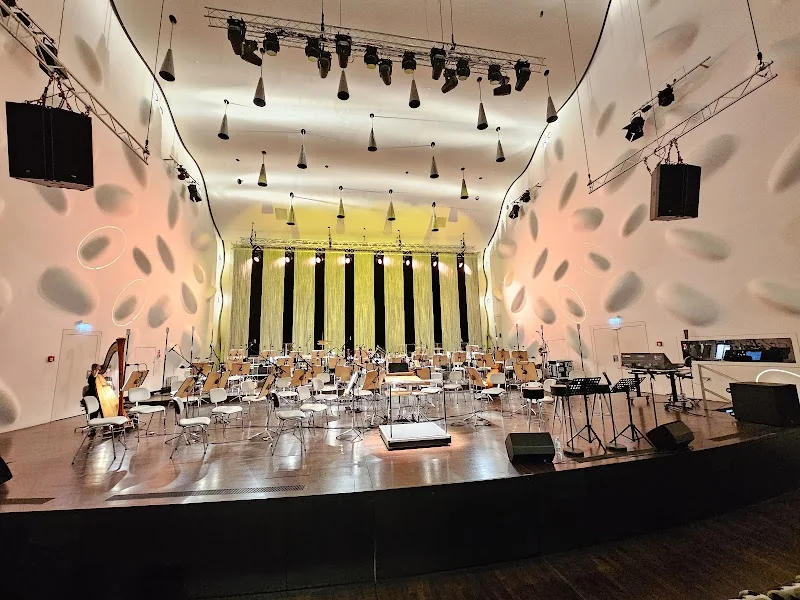
Wilhelm-Staab-Straße 10-11, Potsdam
Wilhelm-Staab-Straße 10-11, 14467 Potsdam, Germany
Nikolaisaal Potsdam | Program & Tickets
The Nikolaisaal Potsdam is the concert and event venue of the state capital and is located at Wilhelm-Staab-Straße 10/11 in the center of Potsdam. Since its opening in 2000, the hall has become a central address for concerts, cultural evenings, family formats, and rentals. Today, the venue combines historical depth with modern architecture, good acoustics, and a versatile range of events. Inside, the Great Hall, foyer, and studio hall are available for very different formats, while the website consolidates current dates, service information, and practical tips. Those looking for the Nikolaisaal will find not only a well-known concert venue here but also a house that closely connects artistic production, guest performances, and audience service. ([nikolaisaal.de](https://www.nikolaisaal.de/geschichte.html))
Program and Events at Nikolaisaal Potsdam
The program of the Nikolaisaal is deliberately broad. The main navigation already shows the categories of classical, jazz, pop & film music, between styles, baby, children & youth, as well as comedy, revue & show. Additionally, specific dates from the current calendar appear continuously on the homepage, including symphony concerts, talk concerts, school offers, family formats, jazz and crossover evenings, as well as concerts in the Great Hall and foyer. This very mix is what makes the venue appealing: it is not a specialized hall for a single style but a stage for very different audiences and concert forms. Therefore, those searching for Nikolaisaal Potsdam program, Nikolaisaal today, or Nikolaisaal Potsdam events will land on a house that nurtures classical orchestra evenings as well as modern formats with moderated dramaturgy, educational offerings, and special concert ideas. ([nikolaisaal.de](https://www.nikolaisaal.de/))
Moreover, the Nikolaisaal not only hosts events but also produces them. According to an official job posting, the team works with 18 people, programs and organizes over 200 concerts and events, and additionally conducts up to 150 other rental events. The same source mentions over 270 events annually with up to 115,000 visitors. For search queries like Nikolaisaal Potsdam program 2026 or Nikolaisaal program today, this is important because the content is constantly updated, and the venue continuously creates its schedules. The practical way is therefore always the current program page with filters for categories, dates, and event rooms. ([nikolaisaal.de](https://www.nikolaisaal.de/fileadmin/content_nikolaisaal/files/stellenausschreibungen/240913_nikolaisaal_musikfe_stspiele_stellenausschreibung_Ticketing.pdf?utm_source=openai))
For many visitors, the schedule is also attractive because it constantly sets new accents throughout the year. The calendar features large symphony evenings, discussions, thematic series, school offers, and special formats for children and families. Those who follow the Nikolaisaal quickly realize that the venue is not just a place for festive individual evenings but a vibrant cultural engine with regularly changing perspectives. For this reason, it is worthwhile to take a repeated look at the program page when planning a concert year 2026 or looking for an evening in Potsdam at short notice. ([nikolaisaal.de](https://www.nikolaisaal.de/))
Tickets and Box Office for Nikolaisaal Potsdam
Those who want to buy tickets have several options at the Nikolaisaal. The ticket gallery at the venue is open Monday to Friday from 11 am to 6 pm and Saturdays from 11 am to 2 pm; the box office opens one hour before the start of the performance. Online, vouchers and tickets can also be booked, and the website describes various payment and collection methods, including instant transfer, credit card, and print-at-home. For in-house events and events of cooperation partners, no advance sale fee is charged in the ticket gallery; for external events, system fees apply. This means that the Nikolaisaal is well set up for both spontaneous visits and planned concert evenings. ([nikolaisaal.de](https://www.nikolaisaal.de/kontakt.html))
For questions regarding service, the hall, and ticket sales, the ticket gallery is the central point of contact. There, visitors receive information about tickets, vouchers, and the Great Hall. Vouchers can be booked online or on-site and are valid for three years according to service information, calculated from the end of the year of issue. Those coming with schools, daycare centers, or groups will also find their own registration and reservation paths on the website. For search queries like Nikolaisaal Potsdam tickets or Nikolaisaal Potsdam program today, this is a practical advantage because the most important booking and service paths are bundled in one place. ([nikolaisaal.de](https://www.nikolaisaal.de/service-abos/service.html?utm_source=openai))
Those who secure tickets early benefit from the clear structure of the venue: the service page consolidates information on the hall plan, vouchers, advance sales, and ticket collection. For many events, tickets can be booked directly online and then used via print-at-home or reserved at the box office. For visitors who prefer personal assistance, the ticket gallery remains the first address. This is particularly pleasant when one wants to organize a specific seating level, a voucher, or tickets for a group. ([nikolaisaal.de](https://www.nikolaisaal.de/service-abos/service.html?utm_source=openai))
Directions and Parking at Nikolaisaal Potsdam
The journey is officially clearly described: From Potsdam Central Station, bus lines 605, 606, 612, 631, and 638 as well as tram lines 91, 92, and 96 go to the stop Platz der Einheit/West. The travel time is about five minutes according to the travel plan. Those arriving by car can reach the area from the north via the A115/E51, exit 6 Potsdam-Babelsberg, heading towards Potsdam-Center via the Humboldt Bridge; from the west, the route leads from Berlin-Zehlendorf over the Glienicke Bridge towards the center. The venue explicitly recommends using public transport, as the traffic situation in the city center is usually more relaxed. ([nikolaisaal.de](https://www.nikolaisaal.de/fileadmin/content_nikolaisaal/files/downloads/NSP-stadtplan-anfahrt.pdf))
When it comes to parking: there are no parking spaces directly at the Nikolaisaal; only limited paid spaces are available. Nearby parking options include the Kutschstall parking garage at Neuen Markt and the underground garage Wilhelm-Galerie at Platz der Einheit. For visitors looking to park at Nikolaisaal Potsdam, this is the most important information: it is better to arrive early, plan for the occupancy in the city center, and ideally use a combination of public transport and a short walk. This also fits with the central location of the venue in the middle of Potsdam. ([nikolaisaal.de](https://www.nikolaisaal.de/fileadmin/content_nikolaisaal/files/downloads/NSP-stadtplan-anfahrt.pdf))
The Nikolaisaal is also well integrated for pedestrians: it is only a few minutes from the central points of Potsdam's city center, and the surroundings with Platz der Einheit, bridges, proximity to the station, and city center paths make the way to the venue manageable. Because the hall is located in a densely populated city center, the coexistence of buses, trams, footpaths, and short taxi routes is more comfortable for many guests than searching for parking directly at the door. Therefore, those who want to arrive with few detours should plan from the start with public transport or a city center parking garage. ([nikolaisaal.de](https://www.nikolaisaal.de/fileadmin/content_nikolaisaal/files/downloads/NSP-stadtplan-anfahrt.pdf))
Hall Plan, Best Seats, and Capacity in the Great Hall
The Great Hall is the heart of the Nikolaisaal. According to technical specifications, the maximum audience capacity is 725 seats, of which 475 are in the orchestra and 250 in the balcony. The orchestra has 18 rows of fixed seating with a variable first row, while the balcony has seats distributed in the center, left, and right. For events with special acoustics or speech intelligibility, designated hearing seats are also available in the balcony. In addition to the audience area, the hall includes a stage area of 213 square meters, a hall height of 16 meters, and a fixed stage area of about 118 square meters. This explains why the space works for both symphonic performances and moderated formats, chamber music, crossover, and show productions. ([nikolaisaal.de](https://www.nikolaisaal.de/vermietung/technische-ausstattung.html))
Those searching for Nikolaisaal Potsdam hall plan or Nikolaisaal Potsdam best seats usually think of proximity to the stage, good visibility, and direct sound. The official seating plan shows that the front rows of the orchestra are particularly close to the stage; as a general recommendation derived from the layout, they are a good choice for many concerts. At the same time, depending on the production, the balcony can also be attractive, especially if one wants to overlook the entire room, the stage, and the architecture. The official hall plan is therefore not only a practical tool for booking but also a guide for different listening and viewing preferences. ([nikolaisaal.de](https://www.nikolaisaal.de/vermietung/technische-ausstattung.html))
The dimensions of the Great Hall illustrate why it is so versatile. With a stage area of 213 square meters, a hall height of 16 meters, and a fixed stage area of about 118 square meters, there is enough space for orchestras, choirs, moderated formats, and technical requirements. The audience sits close to the action without the space losing its generosity. The combination of orchestra and balcony allows for different sightlines: close and intense in the orchestra, overviewing and often acoustically very pleasant in the balcony. This balance is a strong plus for SEO topics like Nikolaisaal Potsdam hall plan, best seats, and capacity. ([nikolaisaal.de](https://www.nikolaisaal.de/vermietung/technische-ausstattung.html))
History and Architecture of Nikolaisaal Potsdam
The history of the building goes back a long way. On the site at today's Wilhelm-Staab-Straße, there was already a baroque residential building in the 18th century; in 1743, the area was gifted by Frederick II to the shoemaker master Joachim Friedrich Spring, and in 1777 a new building was constructed according to plans by Georg Christian Unger. In 1904, the St. Nikolai community acquired the property, and in 1909 the first community center was ceremoniously inaugurated. The second Nikolaisaal followed in 1934, was heavily damaged in the war, and was used again as the Great Broadcasting Hall of the State Broadcaster Potsdam from the end of 1946. Later, the building gradually served other purposes before it was reopened in 2000 as the third Nikolaisaal. ([nikolaisaal.de](https://www.nikolaisaal.de/geschichte.html))
Particularly influential is the conversion into a modern concert and event house designed by the French architect Rudy Ricciotti. The official history describes the opening on August 27, 2000, as the beginning of a new chapter. At the same time, the historical depth of the place remains visible: elements of earlier construction phases, the reference to the Nikolaikirche, and the varied use of the property are still part of the identity of the house today. From an SEO perspective, these contrasts are important because they elevate the location far beyond a normal event building. The Nikolaisaal is not just a place for Nikolaisaal Potsdam 2026 but a house with a developed cultural biography and a clear urban presence in the center of Potsdam. ([nikolaisaal.de](https://www.nikolaisaal.de/geschichte.html))
It is particularly impressive how often the property has changed its function over the centuries. From baroque residential buildings to a community center, from the community hall to a concert and broadcasting hall, and finally from a damaged facility to a modern concert house. These layers make the place historically interesting today. When entering the Nikolaisaal, one does not move in a random new building but in a house that connects Potsdam's city history, ecclesiastical use, war consequences, musical tradition, and modern cultural production. The renovation and new construction after 2000 did not erase this history but visibly continued it. This is precisely what creates the special aura of the place. ([nikolaisaal.de](https://www.nikolaisaal.de/geschichte.html))
The architecture of Rudy Ricciotti relies on an exciting contrast between historical surroundings and modern forms. The current Nikolaisaal connects to the eventful construction history without making the place feel museum-like. This allows it to be a space for representation, a concert venue, and an urban address at the same time. The recurring use as a cultural meeting point fits with the Potsdam center, where historical facades, public spaces, and contemporary culture coexist. For visitors, this creates a place that does not feel like a neutral event container but like a house with origin, character, and a clear artistic stance. ([nikolaisaal.de](https://www.nikolaisaal.de/geschichte.html))
Facilities, Accessibility, and Gastronomy
The Nikolaisaal has, in addition to the Great Hall, the foyer and studio hall, as well as modern event technology for different formats. The website lists detailed stage, lighting, sound, and video technology, along with floor plans, inventory lists, and delivery routes for organizers. This makes the venue interesting not only for concerts but also for rentals, hybrid formats, and special productions. Those dealing with the location quickly recognize: here, not only representative architecture has been considered but also practical usability and professional processes. ([nikolaisaal.de](https://www.nikolaisaal.de/vermietung/technische-ausstattung.html))
Accessibility is also a fixed part of the offering. An elevator is available for wheelchair users in the courtyard, leading to both the ticket gallery and the concert and event house. Since the 2013/14 season, there have been offerings for people with hearing impairments; these include interactive workshops and concerts with sign language, induction loops, and Feelbelt belts. Additionally, the website points out that assistance dogs should be registered in advance. For visitors seeking an inclusive cultural venue, this is a strong signal. ([nikolaisaal.de](https://www.nikolaisaal.de/barrierefreiheit.html))
Culinary offerings also accompany the stay well. The catering team Fine Dine takes care of the gastronomic provision at events and offers drinks and changing snacks before concerts and during breaks. The house also features Café Ricciotti, named after the architect Rudy Ricciotti. There, Mediterranean snacks, cakes, coffee specialties, pralines, and other offerings are available. This makes the visit to the Nikolaisaal not just a concert date but a complete evening in a central location with service, atmosphere, and quality of stay. ([nikolaisaal.de](https://www.nikolaisaal.de/vermietung/gastronomie.html))
For organizers and groups, the venue is also interesting because it works with different rooms, technical know-how, and clear access. The download areas with hall plans, floor plans, travel data, and technical lists make planning transparent, while the gastronomy offering and accessibility enhance the stay for the audience. Thus, the Nikolaisaal is not only perceived as a concert venue but as a professional overall system of program, service, logistics, and hospitality. This combination explains why many people meet here not just once but repeatedly for events. ([nikolaisaal.de](https://www.nikolaisaal.de/vermietung/download-formulare.html))
For all those planning their visit, it is worthwhile to take a look at the program, hall plan, directions, and accessibility alike. The Nikolaisaal Potsdam combines a central location, good service, diverse genres, and a house with historical depth. This makes it one of the most important cultural addresses in the city and a location that convinces both for spontaneous visits and targeted concert evenings. ([nikolaisaal.de](https://www.nikolaisaal.de/kontakt.html))
Sources:
Mehr anzeigenWeniger anzeigen
Nikolaisaal Potsdam | Program & Tickets
The Nikolaisaal Potsdam is the concert and event venue of the state capital and is located at Wilhelm-Staab-Straße 10/11 in the center of Potsdam. Since its opening in 2000, the hall has become a central address for concerts, cultural evenings, family formats, and rentals. Today, the venue combines historical depth with modern architecture, good acoustics, and a versatile range of events. Inside, the Great Hall, foyer, and studio hall are available for very different formats, while the website consolidates current dates, service information, and practical tips. Those looking for the Nikolaisaal will find not only a well-known concert venue here but also a house that closely connects artistic production, guest performances, and audience service. ([nikolaisaal.de](https://www.nikolaisaal.de/geschichte.html))
Program and Events at Nikolaisaal Potsdam
The program of the Nikolaisaal is deliberately broad. The main navigation already shows the categories of classical, jazz, pop & film music, between styles, baby, children & youth, as well as comedy, revue & show. Additionally, specific dates from the current calendar appear continuously on the homepage, including symphony concerts, talk concerts, school offers, family formats, jazz and crossover evenings, as well as concerts in the Great Hall and foyer. This very mix is what makes the venue appealing: it is not a specialized hall for a single style but a stage for very different audiences and concert forms. Therefore, those searching for Nikolaisaal Potsdam program, Nikolaisaal today, or Nikolaisaal Potsdam events will land on a house that nurtures classical orchestra evenings as well as modern formats with moderated dramaturgy, educational offerings, and special concert ideas. ([nikolaisaal.de](https://www.nikolaisaal.de/))
Moreover, the Nikolaisaal not only hosts events but also produces them. According to an official job posting, the team works with 18 people, programs and organizes over 200 concerts and events, and additionally conducts up to 150 other rental events. The same source mentions over 270 events annually with up to 115,000 visitors. For search queries like Nikolaisaal Potsdam program 2026 or Nikolaisaal program today, this is important because the content is constantly updated, and the venue continuously creates its schedules. The practical way is therefore always the current program page with filters for categories, dates, and event rooms. ([nikolaisaal.de](https://www.nikolaisaal.de/fileadmin/content_nikolaisaal/files/stellenausschreibungen/240913_nikolaisaal_musikfe_stspiele_stellenausschreibung_Ticketing.pdf?utm_source=openai))
For many visitors, the schedule is also attractive because it constantly sets new accents throughout the year. The calendar features large symphony evenings, discussions, thematic series, school offers, and special formats for children and families. Those who follow the Nikolaisaal quickly realize that the venue is not just a place for festive individual evenings but a vibrant cultural engine with regularly changing perspectives. For this reason, it is worthwhile to take a repeated look at the program page when planning a concert year 2026 or looking for an evening in Potsdam at short notice. ([nikolaisaal.de](https://www.nikolaisaal.de/))
Tickets and Box Office for Nikolaisaal Potsdam
Those who want to buy tickets have several options at the Nikolaisaal. The ticket gallery at the venue is open Monday to Friday from 11 am to 6 pm and Saturdays from 11 am to 2 pm; the box office opens one hour before the start of the performance. Online, vouchers and tickets can also be booked, and the website describes various payment and collection methods, including instant transfer, credit card, and print-at-home. For in-house events and events of cooperation partners, no advance sale fee is charged in the ticket gallery; for external events, system fees apply. This means that the Nikolaisaal is well set up for both spontaneous visits and planned concert evenings. ([nikolaisaal.de](https://www.nikolaisaal.de/kontakt.html))
For questions regarding service, the hall, and ticket sales, the ticket gallery is the central point of contact. There, visitors receive information about tickets, vouchers, and the Great Hall. Vouchers can be booked online or on-site and are valid for three years according to service information, calculated from the end of the year of issue. Those coming with schools, daycare centers, or groups will also find their own registration and reservation paths on the website. For search queries like Nikolaisaal Potsdam tickets or Nikolaisaal Potsdam program today, this is a practical advantage because the most important booking and service paths are bundled in one place. ([nikolaisaal.de](https://www.nikolaisaal.de/service-abos/service.html?utm_source=openai))
Those who secure tickets early benefit from the clear structure of the venue: the service page consolidates information on the hall plan, vouchers, advance sales, and ticket collection. For many events, tickets can be booked directly online and then used via print-at-home or reserved at the box office. For visitors who prefer personal assistance, the ticket gallery remains the first address. This is particularly pleasant when one wants to organize a specific seating level, a voucher, or tickets for a group. ([nikolaisaal.de](https://www.nikolaisaal.de/service-abos/service.html?utm_source=openai))
Directions and Parking at Nikolaisaal Potsdam
The journey is officially clearly described: From Potsdam Central Station, bus lines 605, 606, 612, 631, and 638 as well as tram lines 91, 92, and 96 go to the stop Platz der Einheit/West. The travel time is about five minutes according to the travel plan. Those arriving by car can reach the area from the north via the A115/E51, exit 6 Potsdam-Babelsberg, heading towards Potsdam-Center via the Humboldt Bridge; from the west, the route leads from Berlin-Zehlendorf over the Glienicke Bridge towards the center. The venue explicitly recommends using public transport, as the traffic situation in the city center is usually more relaxed. ([nikolaisaal.de](https://www.nikolaisaal.de/fileadmin/content_nikolaisaal/files/downloads/NSP-stadtplan-anfahrt.pdf))
When it comes to parking: there are no parking spaces directly at the Nikolaisaal; only limited paid spaces are available. Nearby parking options include the Kutschstall parking garage at Neuen Markt and the underground garage Wilhelm-Galerie at Platz der Einheit. For visitors looking to park at Nikolaisaal Potsdam, this is the most important information: it is better to arrive early, plan for the occupancy in the city center, and ideally use a combination of public transport and a short walk. This also fits with the central location of the venue in the middle of Potsdam. ([nikolaisaal.de](https://www.nikolaisaal.de/fileadmin/content_nikolaisaal/files/downloads/NSP-stadtplan-anfahrt.pdf))
The Nikolaisaal is also well integrated for pedestrians: it is only a few minutes from the central points of Potsdam's city center, and the surroundings with Platz der Einheit, bridges, proximity to the station, and city center paths make the way to the venue manageable. Because the hall is located in a densely populated city center, the coexistence of buses, trams, footpaths, and short taxi routes is more comfortable for many guests than searching for parking directly at the door. Therefore, those who want to arrive with few detours should plan from the start with public transport or a city center parking garage. ([nikolaisaal.de](https://www.nikolaisaal.de/fileadmin/content_nikolaisaal/files/downloads/NSP-stadtplan-anfahrt.pdf))
Hall Plan, Best Seats, and Capacity in the Great Hall
The Great Hall is the heart of the Nikolaisaal. According to technical specifications, the maximum audience capacity is 725 seats, of which 475 are in the orchestra and 250 in the balcony. The orchestra has 18 rows of fixed seating with a variable first row, while the balcony has seats distributed in the center, left, and right. For events with special acoustics or speech intelligibility, designated hearing seats are also available in the balcony. In addition to the audience area, the hall includes a stage area of 213 square meters, a hall height of 16 meters, and a fixed stage area of about 118 square meters. This explains why the space works for both symphonic performances and moderated formats, chamber music, crossover, and show productions. ([nikolaisaal.de](https://www.nikolaisaal.de/vermietung/technische-ausstattung.html))
Those searching for Nikolaisaal Potsdam hall plan or Nikolaisaal Potsdam best seats usually think of proximity to the stage, good visibility, and direct sound. The official seating plan shows that the front rows of the orchestra are particularly close to the stage; as a general recommendation derived from the layout, they are a good choice for many concerts. At the same time, depending on the production, the balcony can also be attractive, especially if one wants to overlook the entire room, the stage, and the architecture. The official hall plan is therefore not only a practical tool for booking but also a guide for different listening and viewing preferences. ([nikolaisaal.de](https://www.nikolaisaal.de/vermietung/technische-ausstattung.html))
The dimensions of the Great Hall illustrate why it is so versatile. With a stage area of 213 square meters, a hall height of 16 meters, and a fixed stage area of about 118 square meters, there is enough space for orchestras, choirs, moderated formats, and technical requirements. The audience sits close to the action without the space losing its generosity. The combination of orchestra and balcony allows for different sightlines: close and intense in the orchestra, overviewing and often acoustically very pleasant in the balcony. This balance is a strong plus for SEO topics like Nikolaisaal Potsdam hall plan, best seats, and capacity. ([nikolaisaal.de](https://www.nikolaisaal.de/vermietung/technische-ausstattung.html))
History and Architecture of Nikolaisaal Potsdam
The history of the building goes back a long way. On the site at today's Wilhelm-Staab-Straße, there was already a baroque residential building in the 18th century; in 1743, the area was gifted by Frederick II to the shoemaker master Joachim Friedrich Spring, and in 1777 a new building was constructed according to plans by Georg Christian Unger. In 1904, the St. Nikolai community acquired the property, and in 1909 the first community center was ceremoniously inaugurated. The second Nikolaisaal followed in 1934, was heavily damaged in the war, and was used again as the Great Broadcasting Hall of the State Broadcaster Potsdam from the end of 1946. Later, the building gradually served other purposes before it was reopened in 2000 as the third Nikolaisaal. ([nikolaisaal.de](https://www.nikolaisaal.de/geschichte.html))
Particularly influential is the conversion into a modern concert and event house designed by the French architect Rudy Ricciotti. The official history describes the opening on August 27, 2000, as the beginning of a new chapter. At the same time, the historical depth of the place remains visible: elements of earlier construction phases, the reference to the Nikolaikirche, and the varied use of the property are still part of the identity of the house today. From an SEO perspective, these contrasts are important because they elevate the location far beyond a normal event building. The Nikolaisaal is not just a place for Nikolaisaal Potsdam 2026 but a house with a developed cultural biography and a clear urban presence in the center of Potsdam. ([nikolaisaal.de](https://www.nikolaisaal.de/geschichte.html))
It is particularly impressive how often the property has changed its function over the centuries. From baroque residential buildings to a community center, from the community hall to a concert and broadcasting hall, and finally from a damaged facility to a modern concert house. These layers make the place historically interesting today. When entering the Nikolaisaal, one does not move in a random new building but in a house that connects Potsdam's city history, ecclesiastical use, war consequences, musical tradition, and modern cultural production. The renovation and new construction after 2000 did not erase this history but visibly continued it. This is precisely what creates the special aura of the place. ([nikolaisaal.de](https://www.nikolaisaal.de/geschichte.html))
The architecture of Rudy Ricciotti relies on an exciting contrast between historical surroundings and modern forms. The current Nikolaisaal connects to the eventful construction history without making the place feel museum-like. This allows it to be a space for representation, a concert venue, and an urban address at the same time. The recurring use as a cultural meeting point fits with the Potsdam center, where historical facades, public spaces, and contemporary culture coexist. For visitors, this creates a place that does not feel like a neutral event container but like a house with origin, character, and a clear artistic stance. ([nikolaisaal.de](https://www.nikolaisaal.de/geschichte.html))
Facilities, Accessibility, and Gastronomy
The Nikolaisaal has, in addition to the Great Hall, the foyer and studio hall, as well as modern event technology for different formats. The website lists detailed stage, lighting, sound, and video technology, along with floor plans, inventory lists, and delivery routes for organizers. This makes the venue interesting not only for concerts but also for rentals, hybrid formats, and special productions. Those dealing with the location quickly recognize: here, not only representative architecture has been considered but also practical usability and professional processes. ([nikolaisaal.de](https://www.nikolaisaal.de/vermietung/technische-ausstattung.html))
Accessibility is also a fixed part of the offering. An elevator is available for wheelchair users in the courtyard, leading to both the ticket gallery and the concert and event house. Since the 2013/14 season, there have been offerings for people with hearing impairments; these include interactive workshops and concerts with sign language, induction loops, and Feelbelt belts. Additionally, the website points out that assistance dogs should be registered in advance. For visitors seeking an inclusive cultural venue, this is a strong signal. ([nikolaisaal.de](https://www.nikolaisaal.de/barrierefreiheit.html))
Culinary offerings also accompany the stay well. The catering team Fine Dine takes care of the gastronomic provision at events and offers drinks and changing snacks before concerts and during breaks. The house also features Café Ricciotti, named after the architect Rudy Ricciotti. There, Mediterranean snacks, cakes, coffee specialties, pralines, and other offerings are available. This makes the visit to the Nikolaisaal not just a concert date but a complete evening in a central location with service, atmosphere, and quality of stay. ([nikolaisaal.de](https://www.nikolaisaal.de/vermietung/gastronomie.html))
For organizers and groups, the venue is also interesting because it works with different rooms, technical know-how, and clear access. The download areas with hall plans, floor plans, travel data, and technical lists make planning transparent, while the gastronomy offering and accessibility enhance the stay for the audience. Thus, the Nikolaisaal is not only perceived as a concert venue but as a professional overall system of program, service, logistics, and hospitality. This combination explains why many people meet here not just once but repeatedly for events. ([nikolaisaal.de](https://www.nikolaisaal.de/vermietung/download-formulare.html))
For all those planning their visit, it is worthwhile to take a look at the program, hall plan, directions, and accessibility alike. The Nikolaisaal Potsdam combines a central location, good service, diverse genres, and a house with historical depth. This makes it one of the most important cultural addresses in the city and a location that convinces both for spontaneous visits and targeted concert evenings. ([nikolaisaal.de](https://www.nikolaisaal.de/kontakt.html))
Sources:
Nikolaisaal Potsdam | Program & Tickets
The Nikolaisaal Potsdam is the concert and event venue of the state capital and is located at Wilhelm-Staab-Straße 10/11 in the center of Potsdam. Since its opening in 2000, the hall has become a central address for concerts, cultural evenings, family formats, and rentals. Today, the venue combines historical depth with modern architecture, good acoustics, and a versatile range of events. Inside, the Great Hall, foyer, and studio hall are available for very different formats, while the website consolidates current dates, service information, and practical tips. Those looking for the Nikolaisaal will find not only a well-known concert venue here but also a house that closely connects artistic production, guest performances, and audience service. ([nikolaisaal.de](https://www.nikolaisaal.de/geschichte.html))
Program and Events at Nikolaisaal Potsdam
The program of the Nikolaisaal is deliberately broad. The main navigation already shows the categories of classical, jazz, pop & film music, between styles, baby, children & youth, as well as comedy, revue & show. Additionally, specific dates from the current calendar appear continuously on the homepage, including symphony concerts, talk concerts, school offers, family formats, jazz and crossover evenings, as well as concerts in the Great Hall and foyer. This very mix is what makes the venue appealing: it is not a specialized hall for a single style but a stage for very different audiences and concert forms. Therefore, those searching for Nikolaisaal Potsdam program, Nikolaisaal today, or Nikolaisaal Potsdam events will land on a house that nurtures classical orchestra evenings as well as modern formats with moderated dramaturgy, educational offerings, and special concert ideas. ([nikolaisaal.de](https://www.nikolaisaal.de/))
Moreover, the Nikolaisaal not only hosts events but also produces them. According to an official job posting, the team works with 18 people, programs and organizes over 200 concerts and events, and additionally conducts up to 150 other rental events. The same source mentions over 270 events annually with up to 115,000 visitors. For search queries like Nikolaisaal Potsdam program 2026 or Nikolaisaal program today, this is important because the content is constantly updated, and the venue continuously creates its schedules. The practical way is therefore always the current program page with filters for categories, dates, and event rooms. ([nikolaisaal.de](https://www.nikolaisaal.de/fileadmin/content_nikolaisaal/files/stellenausschreibungen/240913_nikolaisaal_musikfe_stspiele_stellenausschreibung_Ticketing.pdf?utm_source=openai))
For many visitors, the schedule is also attractive because it constantly sets new accents throughout the year. The calendar features large symphony evenings, discussions, thematic series, school offers, and special formats for children and families. Those who follow the Nikolaisaal quickly realize that the venue is not just a place for festive individual evenings but a vibrant cultural engine with regularly changing perspectives. For this reason, it is worthwhile to take a repeated look at the program page when planning a concert year 2026 or looking for an evening in Potsdam at short notice. ([nikolaisaal.de](https://www.nikolaisaal.de/))
Tickets and Box Office for Nikolaisaal Potsdam
Those who want to buy tickets have several options at the Nikolaisaal. The ticket gallery at the venue is open Monday to Friday from 11 am to 6 pm and Saturdays from 11 am to 2 pm; the box office opens one hour before the start of the performance. Online, vouchers and tickets can also be booked, and the website describes various payment and collection methods, including instant transfer, credit card, and print-at-home. For in-house events and events of cooperation partners, no advance sale fee is charged in the ticket gallery; for external events, system fees apply. This means that the Nikolaisaal is well set up for both spontaneous visits and planned concert evenings. ([nikolaisaal.de](https://www.nikolaisaal.de/kontakt.html))
For questions regarding service, the hall, and ticket sales, the ticket gallery is the central point of contact. There, visitors receive information about tickets, vouchers, and the Great Hall. Vouchers can be booked online or on-site and are valid for three years according to service information, calculated from the end of the year of issue. Those coming with schools, daycare centers, or groups will also find their own registration and reservation paths on the website. For search queries like Nikolaisaal Potsdam tickets or Nikolaisaal Potsdam program today, this is a practical advantage because the most important booking and service paths are bundled in one place. ([nikolaisaal.de](https://www.nikolaisaal.de/service-abos/service.html?utm_source=openai))
Those who secure tickets early benefit from the clear structure of the venue: the service page consolidates information on the hall plan, vouchers, advance sales, and ticket collection. For many events, tickets can be booked directly online and then used via print-at-home or reserved at the box office. For visitors who prefer personal assistance, the ticket gallery remains the first address. This is particularly pleasant when one wants to organize a specific seating level, a voucher, or tickets for a group. ([nikolaisaal.de](https://www.nikolaisaal.de/service-abos/service.html?utm_source=openai))
Directions and Parking at Nikolaisaal Potsdam
The journey is officially clearly described: From Potsdam Central Station, bus lines 605, 606, 612, 631, and 638 as well as tram lines 91, 92, and 96 go to the stop Platz der Einheit/West. The travel time is about five minutes according to the travel plan. Those arriving by car can reach the area from the north via the A115/E51, exit 6 Potsdam-Babelsberg, heading towards Potsdam-Center via the Humboldt Bridge; from the west, the route leads from Berlin-Zehlendorf over the Glienicke Bridge towards the center. The venue explicitly recommends using public transport, as the traffic situation in the city center is usually more relaxed. ([nikolaisaal.de](https://www.nikolaisaal.de/fileadmin/content_nikolaisaal/files/downloads/NSP-stadtplan-anfahrt.pdf))
When it comes to parking: there are no parking spaces directly at the Nikolaisaal; only limited paid spaces are available. Nearby parking options include the Kutschstall parking garage at Neuen Markt and the underground garage Wilhelm-Galerie at Platz der Einheit. For visitors looking to park at Nikolaisaal Potsdam, this is the most important information: it is better to arrive early, plan for the occupancy in the city center, and ideally use a combination of public transport and a short walk. This also fits with the central location of the venue in the middle of Potsdam. ([nikolaisaal.de](https://www.nikolaisaal.de/fileadmin/content_nikolaisaal/files/downloads/NSP-stadtplan-anfahrt.pdf))
The Nikolaisaal is also well integrated for pedestrians: it is only a few minutes from the central points of Potsdam's city center, and the surroundings with Platz der Einheit, bridges, proximity to the station, and city center paths make the way to the venue manageable. Because the hall is located in a densely populated city center, the coexistence of buses, trams, footpaths, and short taxi routes is more comfortable for many guests than searching for parking directly at the door. Therefore, those who want to arrive with few detours should plan from the start with public transport or a city center parking garage. ([nikolaisaal.de](https://www.nikolaisaal.de/fileadmin/content_nikolaisaal/files/downloads/NSP-stadtplan-anfahrt.pdf))
Hall Plan, Best Seats, and Capacity in the Great Hall
The Great Hall is the heart of the Nikolaisaal. According to technical specifications, the maximum audience capacity is 725 seats, of which 475 are in the orchestra and 250 in the balcony. The orchestra has 18 rows of fixed seating with a variable first row, while the balcony has seats distributed in the center, left, and right. For events with special acoustics or speech intelligibility, designated hearing seats are also available in the balcony. In addition to the audience area, the hall includes a stage area of 213 square meters, a hall height of 16 meters, and a fixed stage area of about 118 square meters. This explains why the space works for both symphonic performances and moderated formats, chamber music, crossover, and show productions. ([nikolaisaal.de](https://www.nikolaisaal.de/vermietung/technische-ausstattung.html))
Those searching for Nikolaisaal Potsdam hall plan or Nikolaisaal Potsdam best seats usually think of proximity to the stage, good visibility, and direct sound. The official seating plan shows that the front rows of the orchestra are particularly close to the stage; as a general recommendation derived from the layout, they are a good choice for many concerts. At the same time, depending on the production, the balcony can also be attractive, especially if one wants to overlook the entire room, the stage, and the architecture. The official hall plan is therefore not only a practical tool for booking but also a guide for different listening and viewing preferences. ([nikolaisaal.de](https://www.nikolaisaal.de/vermietung/technische-ausstattung.html))
The dimensions of the Great Hall illustrate why it is so versatile. With a stage area of 213 square meters, a hall height of 16 meters, and a fixed stage area of about 118 square meters, there is enough space for orchestras, choirs, moderated formats, and technical requirements. The audience sits close to the action without the space losing its generosity. The combination of orchestra and balcony allows for different sightlines: close and intense in the orchestra, overviewing and often acoustically very pleasant in the balcony. This balance is a strong plus for SEO topics like Nikolaisaal Potsdam hall plan, best seats, and capacity. ([nikolaisaal.de](https://www.nikolaisaal.de/vermietung/technische-ausstattung.html))
History and Architecture of Nikolaisaal Potsdam
The history of the building goes back a long way. On the site at today's Wilhelm-Staab-Straße, there was already a baroque residential building in the 18th century; in 1743, the area was gifted by Frederick II to the shoemaker master Joachim Friedrich Spring, and in 1777 a new building was constructed according to plans by Georg Christian Unger. In 1904, the St. Nikolai community acquired the property, and in 1909 the first community center was ceremoniously inaugurated. The second Nikolaisaal followed in 1934, was heavily damaged in the war, and was used again as the Great Broadcasting Hall of the State Broadcaster Potsdam from the end of 1946. Later, the building gradually served other purposes before it was reopened in 2000 as the third Nikolaisaal. ([nikolaisaal.de](https://www.nikolaisaal.de/geschichte.html))
Particularly influential is the conversion into a modern concert and event house designed by the French architect Rudy Ricciotti. The official history describes the opening on August 27, 2000, as the beginning of a new chapter. At the same time, the historical depth of the place remains visible: elements of earlier construction phases, the reference to the Nikolaikirche, and the varied use of the property are still part of the identity of the house today. From an SEO perspective, these contrasts are important because they elevate the location far beyond a normal event building. The Nikolaisaal is not just a place for Nikolaisaal Potsdam 2026 but a house with a developed cultural biography and a clear urban presence in the center of Potsdam. ([nikolaisaal.de](https://www.nikolaisaal.de/geschichte.html))
It is particularly impressive how often the property has changed its function over the centuries. From baroque residential buildings to a community center, from the community hall to a concert and broadcasting hall, and finally from a damaged facility to a modern concert house. These layers make the place historically interesting today. When entering the Nikolaisaal, one does not move in a random new building but in a house that connects Potsdam's city history, ecclesiastical use, war consequences, musical tradition, and modern cultural production. The renovation and new construction after 2000 did not erase this history but visibly continued it. This is precisely what creates the special aura of the place. ([nikolaisaal.de](https://www.nikolaisaal.de/geschichte.html))
The architecture of Rudy Ricciotti relies on an exciting contrast between historical surroundings and modern forms. The current Nikolaisaal connects to the eventful construction history without making the place feel museum-like. This allows it to be a space for representation, a concert venue, and an urban address at the same time. The recurring use as a cultural meeting point fits with the Potsdam center, where historical facades, public spaces, and contemporary culture coexist. For visitors, this creates a place that does not feel like a neutral event container but like a house with origin, character, and a clear artistic stance. ([nikolaisaal.de](https://www.nikolaisaal.de/geschichte.html))
Facilities, Accessibility, and Gastronomy
The Nikolaisaal has, in addition to the Great Hall, the foyer and studio hall, as well as modern event technology for different formats. The website lists detailed stage, lighting, sound, and video technology, along with floor plans, inventory lists, and delivery routes for organizers. This makes the venue interesting not only for concerts but also for rentals, hybrid formats, and special productions. Those dealing with the location quickly recognize: here, not only representative architecture has been considered but also practical usability and professional processes. ([nikolaisaal.de](https://www.nikolaisaal.de/vermietung/technische-ausstattung.html))
Accessibility is also a fixed part of the offering. An elevator is available for wheelchair users in the courtyard, leading to both the ticket gallery and the concert and event house. Since the 2013/14 season, there have been offerings for people with hearing impairments; these include interactive workshops and concerts with sign language, induction loops, and Feelbelt belts. Additionally, the website points out that assistance dogs should be registered in advance. For visitors seeking an inclusive cultural venue, this is a strong signal. ([nikolaisaal.de](https://www.nikolaisaal.de/barrierefreiheit.html))
Culinary offerings also accompany the stay well. The catering team Fine Dine takes care of the gastronomic provision at events and offers drinks and changing snacks before concerts and during breaks. The house also features Café Ricciotti, named after the architect Rudy Ricciotti. There, Mediterranean snacks, cakes, coffee specialties, pralines, and other offerings are available. This makes the visit to the Nikolaisaal not just a concert date but a complete evening in a central location with service, atmosphere, and quality of stay. ([nikolaisaal.de](https://www.nikolaisaal.de/vermietung/gastronomie.html))
For organizers and groups, the venue is also interesting because it works with different rooms, technical know-how, and clear access. The download areas with hall plans, floor plans, travel data, and technical lists make planning transparent, while the gastronomy offering and accessibility enhance the stay for the audience. Thus, the Nikolaisaal is not only perceived as a concert venue but as a professional overall system of program, service, logistics, and hospitality. This combination explains why many people meet here not just once but repeatedly for events. ([nikolaisaal.de](https://www.nikolaisaal.de/vermietung/download-formulare.html))
For all those planning their visit, it is worthwhile to take a look at the program, hall plan, directions, and accessibility alike. The Nikolaisaal Potsdam combines a central location, good service, diverse genres, and a house with historical depth. This makes it one of the most important cultural addresses in the city and a location that convinces both for spontaneous visits and targeted concert evenings. ([nikolaisaal.de](https://www.nikolaisaal.de/kontakt.html))
Sources:
Upcoming Events
Fjarill in Potsdam
An evening full of fine sound colors in Potsdam: Fjarill brings poetic folk-pop to the Nikolaisaal. 25.09.2026, tickets from 22.54 Euro. #Potsdam #Fjarill
Brass Music Supergroup at Nikolaisaal
The Brass Music Supergroup presents film and Hollywood music. An unforgettable experience at Nikolaisaal Potsdam.
80 Years of DEFA - The Film Music Gala
Enjoy the DEFA film music gala by the German Film Orchestra Babelsberg. A nostalgic musical journey through 80 years of DEFA film history!
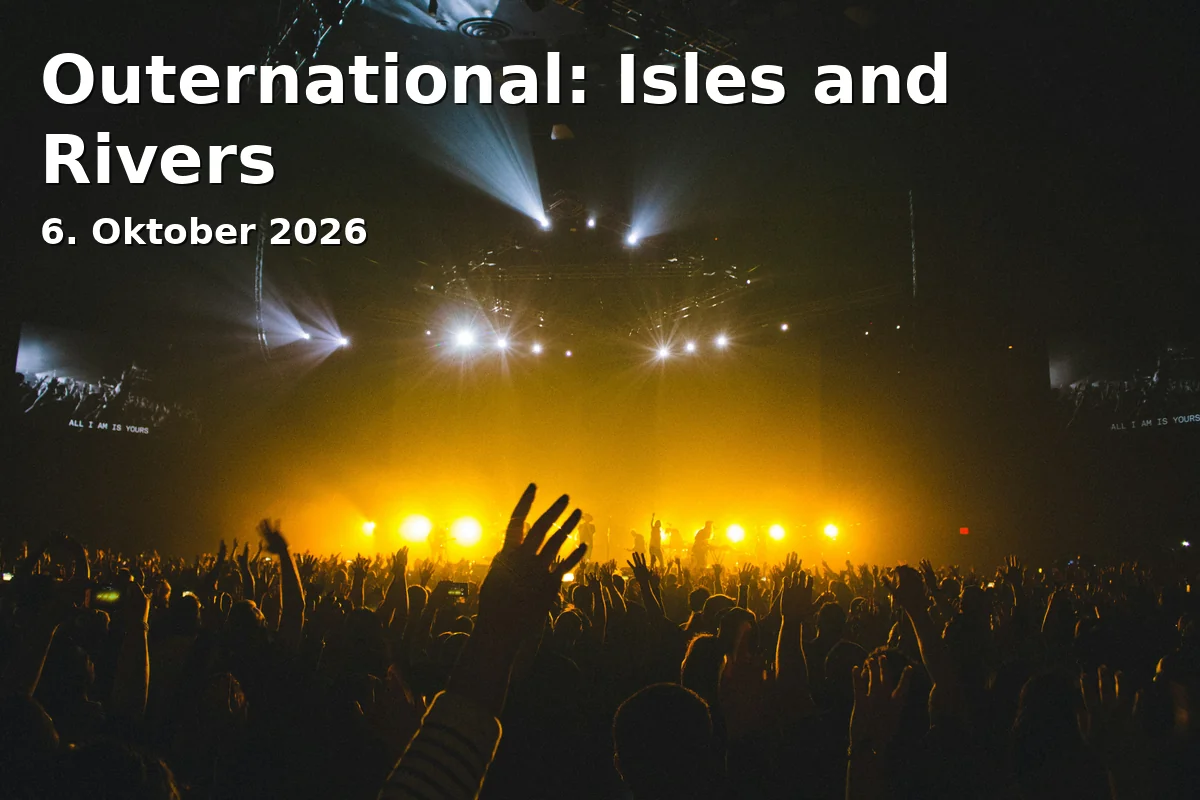
Outernational: Isles and Rivers
A unique concert at Nikolaisaal Potsdam. Experience baroque and contemporary music with live meditation and improvisation.

Alexander Eder Unplugged - Acoustic Tour 2026
Experience Alexander Eder live at Nikolaisaal Potsdam on October 8, 2026. A unique acoustic experience awaits you!
An Evening with Omer Klein
Join the concert of Omer Klein and his ensemble The Poetics for an evening full of jazz at Nikolaisaal.
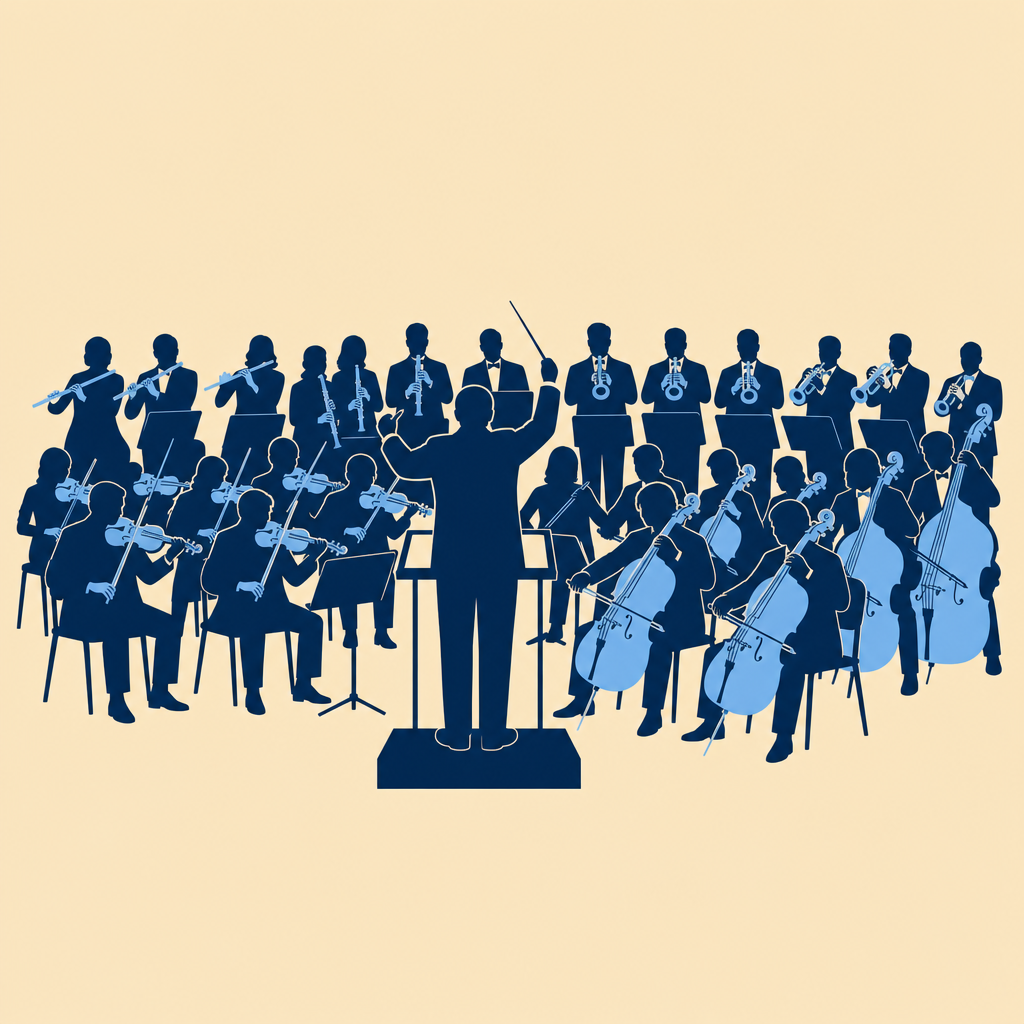
Mozart & Pabst: Requiem Settings
An evening full of sound depth at the Nikolaisaal Potsdam: Mozart & Pabst combines Requiem atmosphere, great acoustics, and strong emotions. 10.10.2026, 17:00. #Classical

Lash & Grey
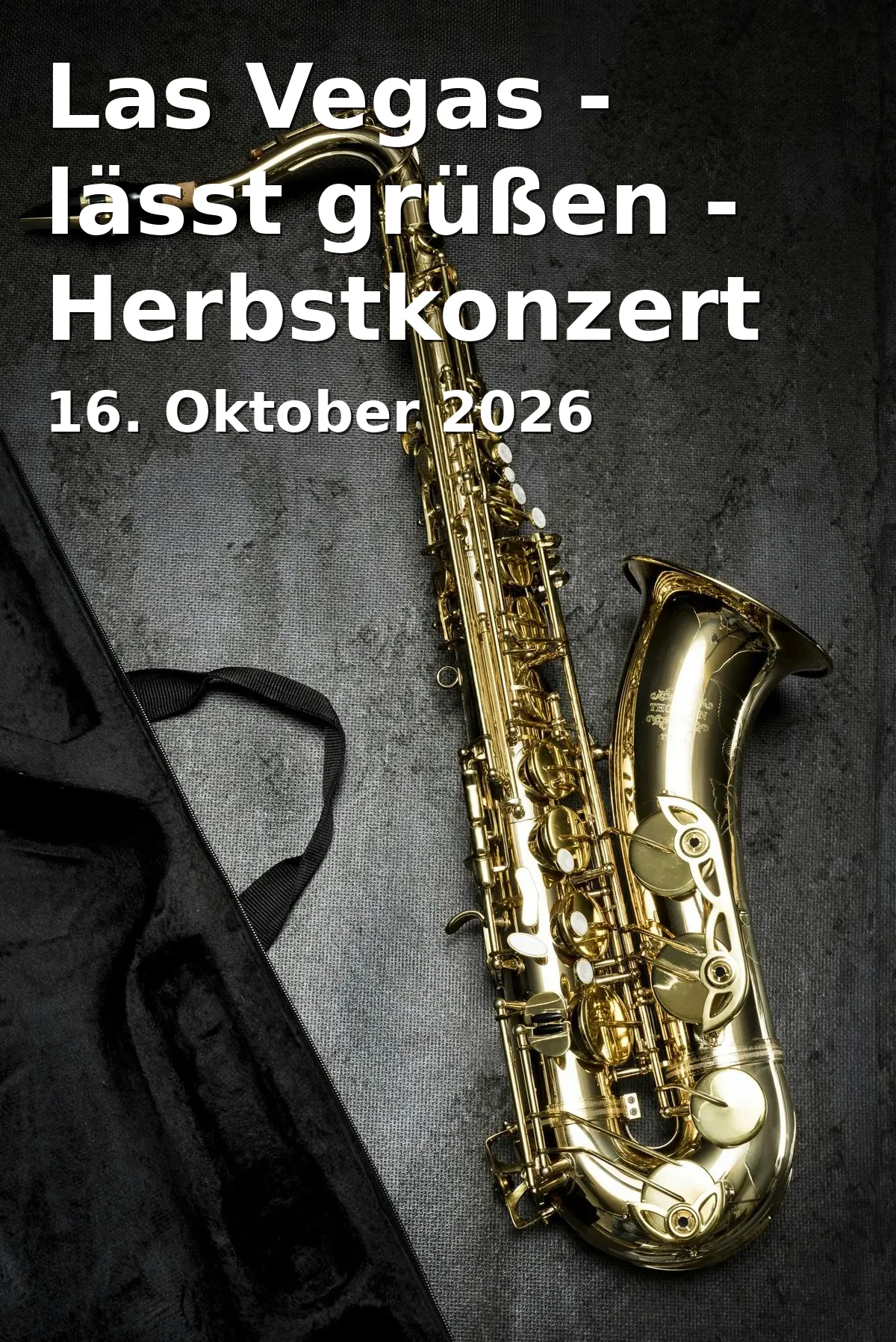
Las Vegas - greetings - Autumn Concert
Experience the 50s and 60s with the Metropolitan Orchestra at Nikolaisaal. An unforgettable evening full of music.

2nd Symphony Concert in Potsdam: Nikolaisaal Concert 2026
A symphonic evening in Potsdam that unites sound and space: The 2nd Symphony Concert in the Nikolaisaal promises intense live moments. #Classical #Potsdam
Frequently Asked Questions
Reviews
Evelyn Dixon
6. December 2025
Came to a reading while on vacation. The seats were comfortable, the toilets warm and the people attending and staffing were super friendly. I had a great time, especially in the post reading party.
Katharina Vogt
29. December 2025
This place is a real discovery! The interior is elegant, the seats are comfortable, and the staff is friendly and professional. The concert I attended was unforgettable, with crystal-clear sound. Highly recommended for anyone who loves music and beautiful architecture.
Kerem
25. April 2024
Beautiful event & concert hall, very interesting design. The Entrée is spacious and has a very modern and striking look. The building is not very large but the concert hall has an excellent size. You feel like you are super close to the piano/instruments even if you are on the second floor.
Jon Kernow
29. December 2023
We visited the Nikolaisaal for Harry Potter which was very good. A lovely venue and pre-ordering drinks in the interval worked well. Unfortunately a number of tickets were double sold for the event and after some stress we were moved to other seats. As yet we have not received an apology or been compensated for the downgraded seats.
Yvonne Beck
4. February 2024
A great evening with free wardrobe, friendly staff who found my dropped ticket and a wonderful concert.