

Potsdam
Maulbeerallee 5, 14469 Potsdam, Deutschland
Maulbeerallee 5, Potsdam | Opening Hours & Parking
The address Maulbeerallee 5 in Potsdam represents one of the most famous attractions in Sanssouci Park: the Historical Mill of Sanssouci. Here, an active technical monument meets a museum that not only tells the history of the mill but also shows how wind power, milling technology, and grain processing are interconnected in practice. Visitors experience a mix of cultural heritage, craftsmanship, views, and lively communication at this location. The mill is part of the UNESCO World Heritage Site of the Palaces and Parks of Potsdam and has been operated by the Berlin-Brandenburg Mill Association since 1995. On the official website, it is described as a functioning windmill with a thematically prepared permanent exhibition that offers four exhibition levels and a special view of the park. This makes the Historical Mill a destination suitable for both spontaneous outings and planned visits with guided tours, exhibitions, and events. ([historische-muehle-potsdam.de](https://www.historische-muehle-potsdam.de/?utm_source=openai))
Opening Hours, Admission Prices, and Tickets
Those wishing to visit the Historical Mill should keep an eye on the seasonal opening hours. From April to October, it is open daily from 10:00 AM to 6:00 PM, with the last admission at 5:30 PM. In the months of November, January to March, it is only open on weekends from 10:00 AM to 4:00 PM, with the last admission at 3:30 PM. In December, the mill remains closed. At the same time, visitor information indicates that visits, tours, and flour orders outside regular hours are possible by arrangement. This is particularly convenient for groups planning an appointment outside traditional holiday or weekend times. ([historische-muehle-potsdam.de](https://www.historische-muehle-potsdam.de/service/?utm_source=openai))
There are also clear, easily understandable structures for tickets. Regular admission is 5.00 euros, reduced admission costs 3.00 euros, and the family ticket is 15.00 euros. Reductions apply, among others, to children, students, trainees, volunteers, the unemployed, and people with disabilities from a degree of disability of 50. Additionally, special conditions are mentioned for educational groups: For kindergartens, preschools, schools, after-school care, vocational schools, universities, and colleges, the price per person is 3.00 euros, two accompanying persons are free, and each additional accompanying person pays 5.00 euros. Furthermore, the combination tickets of the Prussian Palaces and Gardens Foundation Berlin-Brandenburg are valid, which can meaningfully connect the visit with other Sanssouci stations. ([historische-muehle-potsdam.de](https://www.historische-muehle-potsdam.de/service/eintrittspreise/?utm_source=openai))
Directions and Parking at Maulbeerallee 5
The route to the Historical Mill is intentionally kept simple, even though it is located in the middle of a large park ensemble. For public transport, the official information mentions the stop Potsdam, Schloss Sanssouci. Visitor notes add that bus X15 or bus 695 goes there, and the Historical Mill is already in sight after getting off. So, those arriving without a car can easily reach the location via public transport and have a very short walk through the park landscape. This is pleasant for day visitors, as orientation is easy and the path itself becomes part of the experience. ([spsg.de](https://www.spsg.de/schloesser-gaerten/angebot/historische-muehle))
For drivers and tour buses, there are paid parking spaces in the P1 area. Visitor information indicates the parking lot at the visitor center at Orangerie 1, while the SPSG designates the area as P1 An der Historischen Mühle. Both references point to the same practical parking area at the edge of the park, from which the path to the mill remains short. It is also important to note for the park tour: Cycling and bringing bicycles are generally prohibited in Sanssouci Park, with the exception of the yellow-marked asphalt paths. Those who wish to combine a visit to the mill with a walk can conveniently enter the park and discover several stations of the ensemble. ([historische-muehle-potsdam.de](https://www.historische-muehle-potsdam.de/en/service/notes-on-the-visit/))
Museum, Exhibition, and Mill Technology
The special aspect of the Historical Mill is its dual role as a showcase object and a functioning facility. The permanent exhibition extends over three floors and conveys content about artisanal wind milling, the history of the Historical Mill, and contemporary mills. It is not only about technology but also about social and cultural aspects as well as the role of mills in the course of time. The website also emphasizes that the mill offers four exhibition levels and from the gallery, a wide view over the cultural landscape of Sanssouci is possible. This means: The visit is not just a tour through an old building, but a combination of a technology museum, viewpoint, and cultural experience. ([historische-muehle-potsdam.de](https://www.historische-muehle-potsdam.de/museum/))
The technical side is equally impressive. The current milling equipment of the Dutch windmill has been continuously developed since 2001. Some of the machines come from historical mills, while others have been newly manufactured according to traditional models and the specific requirements of the location. The wings rotate at about 15 revolutions per minute, which is referred to in milling language as 60 ends; at the tips, they reach a speed of 67.8 km/h. Additionally, the mill processes organic rye, organic wheat, and organic spelt, and has been certified organic since 2011 and is regularly inspected. Thus, the Historical Mill combines monument-protected technology, practical production, and contemporary quality assurance in one place. ([historische-muehle-potsdam.de](https://www.historische-muehle-potsdam.de/museum/muehlentechnik-und-getreideverarbeitung/))
History of the Historical Mill of Sanssouci
The history of this place goes back a long way. According to official accounts, a mill has stood at this location since 1738, on a hill next to the later Sanssouci Palace. The well-known legend of the dispute between Frederick II and the miller Grävenitz is associated with it. Between 1787 and 1791, the gallery Dutch mill was built; the old post windmill from 1738 had previously been demolished due to dilapidation and had to be replaced by the new design. Therefore, the current location is not simply a reconstruction without a history, but a historically grown place with several construction and usage layers. ([historische-muehle-potsdam.de](https://www.historische-muehle-potsdam.de/wp-content/uploads/2025/03/Muehlenkarte_3.Auflage.pdf))
In April 1945, the mill burned down. Reconstruction began in 1983, and ten years later, in 1993, the wings turned again. The SPSG notes that the mill was rebuilt at its historical location and has been functioning visibly since 1993. Since 1995, the Berlin-Brandenburg Mill Association has operated the facility as an independent museum. Today, the Historical Mill is part of the UNESCO World Heritage Site of the Palaces and Parks of Potsdam; at the same time, the traditional milling craft in wind or water mills is listed in the national register of intangible cultural heritage. This connection of reconstruction, use, and communication makes the place historically particularly strong. ([historische-muehle-potsdam.de](https://www.historische-muehle-potsdam.de/wp-content/uploads/2025/03/Muehlenkarte_3.Auflage.pdf))
Guided Tours, Events, and the Blue Monday
The Historical Mill is not only a museum location for individual visits but also a well-established group address. The official guided tours are aimed at school classes, kindergarten groups, university seminars, birthday parties, and company outings. The museum educational program is designed for children, teenagers, students, aspiring educators, and people with disabilities. A tour lasts about 90 minutes and is individually tailored to the respective group. For children's groups, the mill recommends a maximum group size of 20 children. This is an important note for schools and educational institutions looking for a manageable and interactive learning environment. Tours can be booked by phone or via the form; special prices apply for educational groups. ([historische-muehle-potsdam.de](https://www.historische-muehle-potsdam.de/fuehrungen/))
Among the special events is the Blue Monday, a series of storytelling sessions on the viewing platform of the Historical Mill. The series has been held in collaboration with the storytelling theater Machandel since 2017 and takes place once a month from May to September. For 2026, the website lists five dates with themes related to the four elements and the milling craft. Admission begins at 7:00 PM, the event starts at 7:30 PM; the format is suitable for audiences aged 16 and over. Tickets cost 15 euros including museum admission or 12 euros in the reduced area and can be reserved at the box office or by phone. This makes the mill an evening venue for culture, storytelling, and a special atmosphere, without losing its artisanal character. ([historische-muehle-potsdam.de](https://www.historische-muehle-potsdam.de/veranstaltungen/))
Accessibility, Visitor Information, and Practical Tips
Those planning a visit should read the practical information carefully, as the Historical Mill is an active monument with architectural peculiarities. According to visitor information, the museum is not barrier-free. The site is located on a hill, the ground is uneven, and the exhibition on the upper floors is only accessible via a spiral staircase. At the same time, there are inclusive mediation offers for people with visual impairments available upon request. The mill also points out that children under 14 years of age may only visit the exhibition when accompanied by an adult. This is especially important for families who plan a spontaneous visit and want to inform themselves about the framework conditions in advance. ([historische-muehle-potsdam.de](https://www.historische-muehle-potsdam.de/en/service/notes-on-the-visit/))
There are also some things to know beforehand inside. There are no cloakrooms or lockers, but seating is available on every floor. Audio guides are not offered, but there are translations of the exhibition texts in English, Polish, and Spanish at media stations. Restrooms are located at the visitor center at the foot of the hill. There is no on-site gastronomy, but the shop sells bread and poppy sticks made from its own flour, as well as small snacks and drinks. Dogs are not allowed in the exhibition, as the location is also a production area; in the first floor, i.e., in the museum and shop area, they must be kept on a leash. For a relaxed visit, it is advisable to wear comfortable shoes, plan a little more time for the walk, and combine the museum visit with a walk in Sanssouci Park. ([historische-muehle-potsdam.de](https://www.historische-muehle-potsdam.de/en/service/notes-on-the-visit/))
In the end, the Historical Mill of Sanssouci is precisely so attractive because it is not only a beautiful photo motif but remains a true place of experience. Those who appreciate history, technology, views, and clear visitor organization will find at Maulbeerallee 5 in Potsdam a destination that can be well combined with a Sanssouci tour, a guided tour, or an evening event like the Blue Monday. Especially the combination of a functioning windmill, museum knowledge, UNESCO context, and lively use makes the place in Potsdam permanently interesting. ([historische-muehle-potsdam.de](https://www.historische-muehle-potsdam.de/?utm_source=openai))
Sources:
- Historical Mill of Sanssouci - Official Website
- Historical Mill of Sanssouci - Museum
- Historical Mill of Sanssouci - Visitor Information
- Historical Mill of Sanssouci - Admission Prices
- Historical Mill of Sanssouci - Events
- Historical Mill of Sanssouci - Guided Tours
- SPSG - Historical Mill
- SPSG - Service Map Park Sanssouci
Show moreShow less
Maulbeerallee 5, Potsdam | Opening Hours & Parking
The address Maulbeerallee 5 in Potsdam represents one of the most famous attractions in Sanssouci Park: the Historical Mill of Sanssouci. Here, an active technical monument meets a museum that not only tells the history of the mill but also shows how wind power, milling technology, and grain processing are interconnected in practice. Visitors experience a mix of cultural heritage, craftsmanship, views, and lively communication at this location. The mill is part of the UNESCO World Heritage Site of the Palaces and Parks of Potsdam and has been operated by the Berlin-Brandenburg Mill Association since 1995. On the official website, it is described as a functioning windmill with a thematically prepared permanent exhibition that offers four exhibition levels and a special view of the park. This makes the Historical Mill a destination suitable for both spontaneous outings and planned visits with guided tours, exhibitions, and events. ([historische-muehle-potsdam.de](https://www.historische-muehle-potsdam.de/?utm_source=openai))
Opening Hours, Admission Prices, and Tickets
Those wishing to visit the Historical Mill should keep an eye on the seasonal opening hours. From April to October, it is open daily from 10:00 AM to 6:00 PM, with the last admission at 5:30 PM. In the months of November, January to March, it is only open on weekends from 10:00 AM to 4:00 PM, with the last admission at 3:30 PM. In December, the mill remains closed. At the same time, visitor information indicates that visits, tours, and flour orders outside regular hours are possible by arrangement. This is particularly convenient for groups planning an appointment outside traditional holiday or weekend times. ([historische-muehle-potsdam.de](https://www.historische-muehle-potsdam.de/service/?utm_source=openai))
There are also clear, easily understandable structures for tickets. Regular admission is 5.00 euros, reduced admission costs 3.00 euros, and the family ticket is 15.00 euros. Reductions apply, among others, to children, students, trainees, volunteers, the unemployed, and people with disabilities from a degree of disability of 50. Additionally, special conditions are mentioned for educational groups: For kindergartens, preschools, schools, after-school care, vocational schools, universities, and colleges, the price per person is 3.00 euros, two accompanying persons are free, and each additional accompanying person pays 5.00 euros. Furthermore, the combination tickets of the Prussian Palaces and Gardens Foundation Berlin-Brandenburg are valid, which can meaningfully connect the visit with other Sanssouci stations. ([historische-muehle-potsdam.de](https://www.historische-muehle-potsdam.de/service/eintrittspreise/?utm_source=openai))
Directions and Parking at Maulbeerallee 5
The route to the Historical Mill is intentionally kept simple, even though it is located in the middle of a large park ensemble. For public transport, the official information mentions the stop Potsdam, Schloss Sanssouci. Visitor notes add that bus X15 or bus 695 goes there, and the Historical Mill is already in sight after getting off. So, those arriving without a car can easily reach the location via public transport and have a very short walk through the park landscape. This is pleasant for day visitors, as orientation is easy and the path itself becomes part of the experience. ([spsg.de](https://www.spsg.de/schloesser-gaerten/angebot/historische-muehle))
For drivers and tour buses, there are paid parking spaces in the P1 area. Visitor information indicates the parking lot at the visitor center at Orangerie 1, while the SPSG designates the area as P1 An der Historischen Mühle. Both references point to the same practical parking area at the edge of the park, from which the path to the mill remains short. It is also important to note for the park tour: Cycling and bringing bicycles are generally prohibited in Sanssouci Park, with the exception of the yellow-marked asphalt paths. Those who wish to combine a visit to the mill with a walk can conveniently enter the park and discover several stations of the ensemble. ([historische-muehle-potsdam.de](https://www.historische-muehle-potsdam.de/en/service/notes-on-the-visit/))
Museum, Exhibition, and Mill Technology
The special aspect of the Historical Mill is its dual role as a showcase object and a functioning facility. The permanent exhibition extends over three floors and conveys content about artisanal wind milling, the history of the Historical Mill, and contemporary mills. It is not only about technology but also about social and cultural aspects as well as the role of mills in the course of time. The website also emphasizes that the mill offers four exhibition levels and from the gallery, a wide view over the cultural landscape of Sanssouci is possible. This means: The visit is not just a tour through an old building, but a combination of a technology museum, viewpoint, and cultural experience. ([historische-muehle-potsdam.de](https://www.historische-muehle-potsdam.de/museum/))
The technical side is equally impressive. The current milling equipment of the Dutch windmill has been continuously developed since 2001. Some of the machines come from historical mills, while others have been newly manufactured according to traditional models and the specific requirements of the location. The wings rotate at about 15 revolutions per minute, which is referred to in milling language as 60 ends; at the tips, they reach a speed of 67.8 km/h. Additionally, the mill processes organic rye, organic wheat, and organic spelt, and has been certified organic since 2011 and is regularly inspected. Thus, the Historical Mill combines monument-protected technology, practical production, and contemporary quality assurance in one place. ([historische-muehle-potsdam.de](https://www.historische-muehle-potsdam.de/museum/muehlentechnik-und-getreideverarbeitung/))
History of the Historical Mill of Sanssouci
The history of this place goes back a long way. According to official accounts, a mill has stood at this location since 1738, on a hill next to the later Sanssouci Palace. The well-known legend of the dispute between Frederick II and the miller Grävenitz is associated with it. Between 1787 and 1791, the gallery Dutch mill was built; the old post windmill from 1738 had previously been demolished due to dilapidation and had to be replaced by the new design. Therefore, the current location is not simply a reconstruction without a history, but a historically grown place with several construction and usage layers. ([historische-muehle-potsdam.de](https://www.historische-muehle-potsdam.de/wp-content/uploads/2025/03/Muehlenkarte_3.Auflage.pdf))
In April 1945, the mill burned down. Reconstruction began in 1983, and ten years later, in 1993, the wings turned again. The SPSG notes that the mill was rebuilt at its historical location and has been functioning visibly since 1993. Since 1995, the Berlin-Brandenburg Mill Association has operated the facility as an independent museum. Today, the Historical Mill is part of the UNESCO World Heritage Site of the Palaces and Parks of Potsdam; at the same time, the traditional milling craft in wind or water mills is listed in the national register of intangible cultural heritage. This connection of reconstruction, use, and communication makes the place historically particularly strong. ([historische-muehle-potsdam.de](https://www.historische-muehle-potsdam.de/wp-content/uploads/2025/03/Muehlenkarte_3.Auflage.pdf))
Guided Tours, Events, and the Blue Monday
The Historical Mill is not only a museum location for individual visits but also a well-established group address. The official guided tours are aimed at school classes, kindergarten groups, university seminars, birthday parties, and company outings. The museum educational program is designed for children, teenagers, students, aspiring educators, and people with disabilities. A tour lasts about 90 minutes and is individually tailored to the respective group. For children's groups, the mill recommends a maximum group size of 20 children. This is an important note for schools and educational institutions looking for a manageable and interactive learning environment. Tours can be booked by phone or via the form; special prices apply for educational groups. ([historische-muehle-potsdam.de](https://www.historische-muehle-potsdam.de/fuehrungen/))
Among the special events is the Blue Monday, a series of storytelling sessions on the viewing platform of the Historical Mill. The series has been held in collaboration with the storytelling theater Machandel since 2017 and takes place once a month from May to September. For 2026, the website lists five dates with themes related to the four elements and the milling craft. Admission begins at 7:00 PM, the event starts at 7:30 PM; the format is suitable for audiences aged 16 and over. Tickets cost 15 euros including museum admission or 12 euros in the reduced area and can be reserved at the box office or by phone. This makes the mill an evening venue for culture, storytelling, and a special atmosphere, without losing its artisanal character. ([historische-muehle-potsdam.de](https://www.historische-muehle-potsdam.de/veranstaltungen/))
Accessibility, Visitor Information, and Practical Tips
Those planning a visit should read the practical information carefully, as the Historical Mill is an active monument with architectural peculiarities. According to visitor information, the museum is not barrier-free. The site is located on a hill, the ground is uneven, and the exhibition on the upper floors is only accessible via a spiral staircase. At the same time, there are inclusive mediation offers for people with visual impairments available upon request. The mill also points out that children under 14 years of age may only visit the exhibition when accompanied by an adult. This is especially important for families who plan a spontaneous visit and want to inform themselves about the framework conditions in advance. ([historische-muehle-potsdam.de](https://www.historische-muehle-potsdam.de/en/service/notes-on-the-visit/))
There are also some things to know beforehand inside. There are no cloakrooms or lockers, but seating is available on every floor. Audio guides are not offered, but there are translations of the exhibition texts in English, Polish, and Spanish at media stations. Restrooms are located at the visitor center at the foot of the hill. There is no on-site gastronomy, but the shop sells bread and poppy sticks made from its own flour, as well as small snacks and drinks. Dogs are not allowed in the exhibition, as the location is also a production area; in the first floor, i.e., in the museum and shop area, they must be kept on a leash. For a relaxed visit, it is advisable to wear comfortable shoes, plan a little more time for the walk, and combine the museum visit with a walk in Sanssouci Park. ([historische-muehle-potsdam.de](https://www.historische-muehle-potsdam.de/en/service/notes-on-the-visit/))
In the end, the Historical Mill of Sanssouci is precisely so attractive because it is not only a beautiful photo motif but remains a true place of experience. Those who appreciate history, technology, views, and clear visitor organization will find at Maulbeerallee 5 in Potsdam a destination that can be well combined with a Sanssouci tour, a guided tour, or an evening event like the Blue Monday. Especially the combination of a functioning windmill, museum knowledge, UNESCO context, and lively use makes the place in Potsdam permanently interesting. ([historische-muehle-potsdam.de](https://www.historische-muehle-potsdam.de/?utm_source=openai))
Sources:
- Historical Mill of Sanssouci - Official Website
- Historical Mill of Sanssouci - Museum
- Historical Mill of Sanssouci - Visitor Information
- Historical Mill of Sanssouci - Admission Prices
- Historical Mill of Sanssouci - Events
- Historical Mill of Sanssouci - Guided Tours
- SPSG - Historical Mill
- SPSG - Service Map Park Sanssouci
Maulbeerallee 5, Potsdam | Opening Hours & Parking
The address Maulbeerallee 5 in Potsdam represents one of the most famous attractions in Sanssouci Park: the Historical Mill of Sanssouci. Here, an active technical monument meets a museum that not only tells the history of the mill but also shows how wind power, milling technology, and grain processing are interconnected in practice. Visitors experience a mix of cultural heritage, craftsmanship, views, and lively communication at this location. The mill is part of the UNESCO World Heritage Site of the Palaces and Parks of Potsdam and has been operated by the Berlin-Brandenburg Mill Association since 1995. On the official website, it is described as a functioning windmill with a thematically prepared permanent exhibition that offers four exhibition levels and a special view of the park. This makes the Historical Mill a destination suitable for both spontaneous outings and planned visits with guided tours, exhibitions, and events. ([historische-muehle-potsdam.de](https://www.historische-muehle-potsdam.de/?utm_source=openai))
Opening Hours, Admission Prices, and Tickets
Those wishing to visit the Historical Mill should keep an eye on the seasonal opening hours. From April to October, it is open daily from 10:00 AM to 6:00 PM, with the last admission at 5:30 PM. In the months of November, January to March, it is only open on weekends from 10:00 AM to 4:00 PM, with the last admission at 3:30 PM. In December, the mill remains closed. At the same time, visitor information indicates that visits, tours, and flour orders outside regular hours are possible by arrangement. This is particularly convenient for groups planning an appointment outside traditional holiday or weekend times. ([historische-muehle-potsdam.de](https://www.historische-muehle-potsdam.de/service/?utm_source=openai))
There are also clear, easily understandable structures for tickets. Regular admission is 5.00 euros, reduced admission costs 3.00 euros, and the family ticket is 15.00 euros. Reductions apply, among others, to children, students, trainees, volunteers, the unemployed, and people with disabilities from a degree of disability of 50. Additionally, special conditions are mentioned for educational groups: For kindergartens, preschools, schools, after-school care, vocational schools, universities, and colleges, the price per person is 3.00 euros, two accompanying persons are free, and each additional accompanying person pays 5.00 euros. Furthermore, the combination tickets of the Prussian Palaces and Gardens Foundation Berlin-Brandenburg are valid, which can meaningfully connect the visit with other Sanssouci stations. ([historische-muehle-potsdam.de](https://www.historische-muehle-potsdam.de/service/eintrittspreise/?utm_source=openai))
Directions and Parking at Maulbeerallee 5
The route to the Historical Mill is intentionally kept simple, even though it is located in the middle of a large park ensemble. For public transport, the official information mentions the stop Potsdam, Schloss Sanssouci. Visitor notes add that bus X15 or bus 695 goes there, and the Historical Mill is already in sight after getting off. So, those arriving without a car can easily reach the location via public transport and have a very short walk through the park landscape. This is pleasant for day visitors, as orientation is easy and the path itself becomes part of the experience. ([spsg.de](https://www.spsg.de/schloesser-gaerten/angebot/historische-muehle))
For drivers and tour buses, there are paid parking spaces in the P1 area. Visitor information indicates the parking lot at the visitor center at Orangerie 1, while the SPSG designates the area as P1 An der Historischen Mühle. Both references point to the same practical parking area at the edge of the park, from which the path to the mill remains short. It is also important to note for the park tour: Cycling and bringing bicycles are generally prohibited in Sanssouci Park, with the exception of the yellow-marked asphalt paths. Those who wish to combine a visit to the mill with a walk can conveniently enter the park and discover several stations of the ensemble. ([historische-muehle-potsdam.de](https://www.historische-muehle-potsdam.de/en/service/notes-on-the-visit/))
Museum, Exhibition, and Mill Technology
The special aspect of the Historical Mill is its dual role as a showcase object and a functioning facility. The permanent exhibition extends over three floors and conveys content about artisanal wind milling, the history of the Historical Mill, and contemporary mills. It is not only about technology but also about social and cultural aspects as well as the role of mills in the course of time. The website also emphasizes that the mill offers four exhibition levels and from the gallery, a wide view over the cultural landscape of Sanssouci is possible. This means: The visit is not just a tour through an old building, but a combination of a technology museum, viewpoint, and cultural experience. ([historische-muehle-potsdam.de](https://www.historische-muehle-potsdam.de/museum/))
The technical side is equally impressive. The current milling equipment of the Dutch windmill has been continuously developed since 2001. Some of the machines come from historical mills, while others have been newly manufactured according to traditional models and the specific requirements of the location. The wings rotate at about 15 revolutions per minute, which is referred to in milling language as 60 ends; at the tips, they reach a speed of 67.8 km/h. Additionally, the mill processes organic rye, organic wheat, and organic spelt, and has been certified organic since 2011 and is regularly inspected. Thus, the Historical Mill combines monument-protected technology, practical production, and contemporary quality assurance in one place. ([historische-muehle-potsdam.de](https://www.historische-muehle-potsdam.de/museum/muehlentechnik-und-getreideverarbeitung/))
History of the Historical Mill of Sanssouci
The history of this place goes back a long way. According to official accounts, a mill has stood at this location since 1738, on a hill next to the later Sanssouci Palace. The well-known legend of the dispute between Frederick II and the miller Grävenitz is associated with it. Between 1787 and 1791, the gallery Dutch mill was built; the old post windmill from 1738 had previously been demolished due to dilapidation and had to be replaced by the new design. Therefore, the current location is not simply a reconstruction without a history, but a historically grown place with several construction and usage layers. ([historische-muehle-potsdam.de](https://www.historische-muehle-potsdam.de/wp-content/uploads/2025/03/Muehlenkarte_3.Auflage.pdf))
In April 1945, the mill burned down. Reconstruction began in 1983, and ten years later, in 1993, the wings turned again. The SPSG notes that the mill was rebuilt at its historical location and has been functioning visibly since 1993. Since 1995, the Berlin-Brandenburg Mill Association has operated the facility as an independent museum. Today, the Historical Mill is part of the UNESCO World Heritage Site of the Palaces and Parks of Potsdam; at the same time, the traditional milling craft in wind or water mills is listed in the national register of intangible cultural heritage. This connection of reconstruction, use, and communication makes the place historically particularly strong. ([historische-muehle-potsdam.de](https://www.historische-muehle-potsdam.de/wp-content/uploads/2025/03/Muehlenkarte_3.Auflage.pdf))
Guided Tours, Events, and the Blue Monday
The Historical Mill is not only a museum location for individual visits but also a well-established group address. The official guided tours are aimed at school classes, kindergarten groups, university seminars, birthday parties, and company outings. The museum educational program is designed for children, teenagers, students, aspiring educators, and people with disabilities. A tour lasts about 90 minutes and is individually tailored to the respective group. For children's groups, the mill recommends a maximum group size of 20 children. This is an important note for schools and educational institutions looking for a manageable and interactive learning environment. Tours can be booked by phone or via the form; special prices apply for educational groups. ([historische-muehle-potsdam.de](https://www.historische-muehle-potsdam.de/fuehrungen/))
Among the special events is the Blue Monday, a series of storytelling sessions on the viewing platform of the Historical Mill. The series has been held in collaboration with the storytelling theater Machandel since 2017 and takes place once a month from May to September. For 2026, the website lists five dates with themes related to the four elements and the milling craft. Admission begins at 7:00 PM, the event starts at 7:30 PM; the format is suitable for audiences aged 16 and over. Tickets cost 15 euros including museum admission or 12 euros in the reduced area and can be reserved at the box office or by phone. This makes the mill an evening venue for culture, storytelling, and a special atmosphere, without losing its artisanal character. ([historische-muehle-potsdam.de](https://www.historische-muehle-potsdam.de/veranstaltungen/))
Accessibility, Visitor Information, and Practical Tips
Those planning a visit should read the practical information carefully, as the Historical Mill is an active monument with architectural peculiarities. According to visitor information, the museum is not barrier-free. The site is located on a hill, the ground is uneven, and the exhibition on the upper floors is only accessible via a spiral staircase. At the same time, there are inclusive mediation offers for people with visual impairments available upon request. The mill also points out that children under 14 years of age may only visit the exhibition when accompanied by an adult. This is especially important for families who plan a spontaneous visit and want to inform themselves about the framework conditions in advance. ([historische-muehle-potsdam.de](https://www.historische-muehle-potsdam.de/en/service/notes-on-the-visit/))
There are also some things to know beforehand inside. There are no cloakrooms or lockers, but seating is available on every floor. Audio guides are not offered, but there are translations of the exhibition texts in English, Polish, and Spanish at media stations. Restrooms are located at the visitor center at the foot of the hill. There is no on-site gastronomy, but the shop sells bread and poppy sticks made from its own flour, as well as small snacks and drinks. Dogs are not allowed in the exhibition, as the location is also a production area; in the first floor, i.e., in the museum and shop area, they must be kept on a leash. For a relaxed visit, it is advisable to wear comfortable shoes, plan a little more time for the walk, and combine the museum visit with a walk in Sanssouci Park. ([historische-muehle-potsdam.de](https://www.historische-muehle-potsdam.de/en/service/notes-on-the-visit/))
In the end, the Historical Mill of Sanssouci is precisely so attractive because it is not only a beautiful photo motif but remains a true place of experience. Those who appreciate history, technology, views, and clear visitor organization will find at Maulbeerallee 5 in Potsdam a destination that can be well combined with a Sanssouci tour, a guided tour, or an evening event like the Blue Monday. Especially the combination of a functioning windmill, museum knowledge, UNESCO context, and lively use makes the place in Potsdam permanently interesting. ([historische-muehle-potsdam.de](https://www.historische-muehle-potsdam.de/?utm_source=openai))
Sources:
- Historical Mill of Sanssouci - Official Website
- Historical Mill of Sanssouci - Museum
- Historical Mill of Sanssouci - Visitor Information
- Historical Mill of Sanssouci - Admission Prices
- Historical Mill of Sanssouci - Events
- Historical Mill of Sanssouci - Guided Tours
- SPSG - Historical Mill
- SPSG - Service Map Park Sanssouci
Upcoming Events

14th Royal Wine Festival
Potsdam celebrates royally again: The 14th Royal Wine Festival brings wine, history, and summer flair to Klausberg. July 10-12, 2026, 7 euros. #Potsdam #WineFestival

Phenology: Plants and Climate Change
Visit the phenology tour at the Botanical Garden Potsdam and learn how plants indicate climate change.
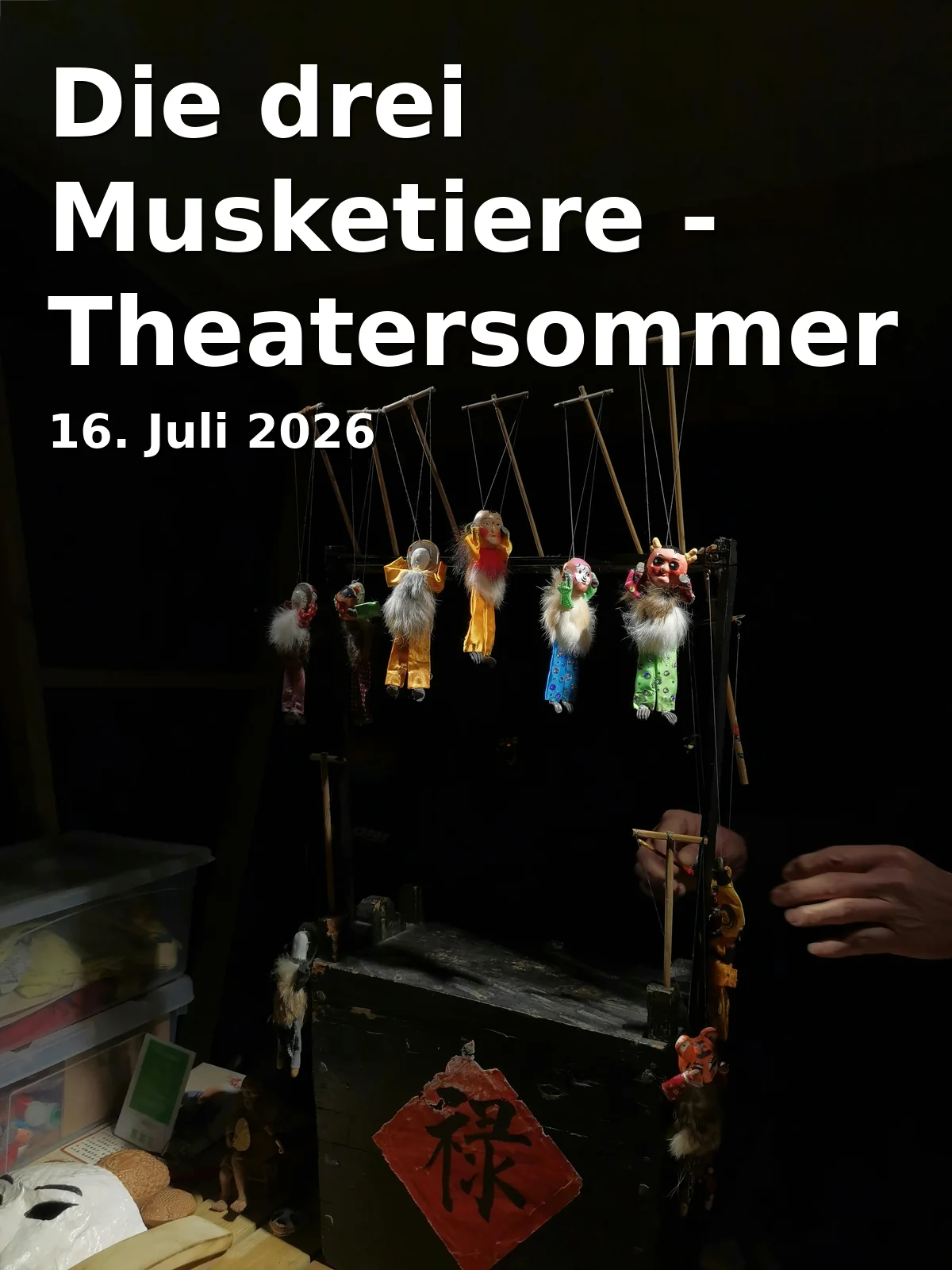
The Three Musketeers - The Summer Theater Sanssouci
Enjoy the adventures of the musketeers in the picturesque hedge theater of Sanssouci under the open sky.
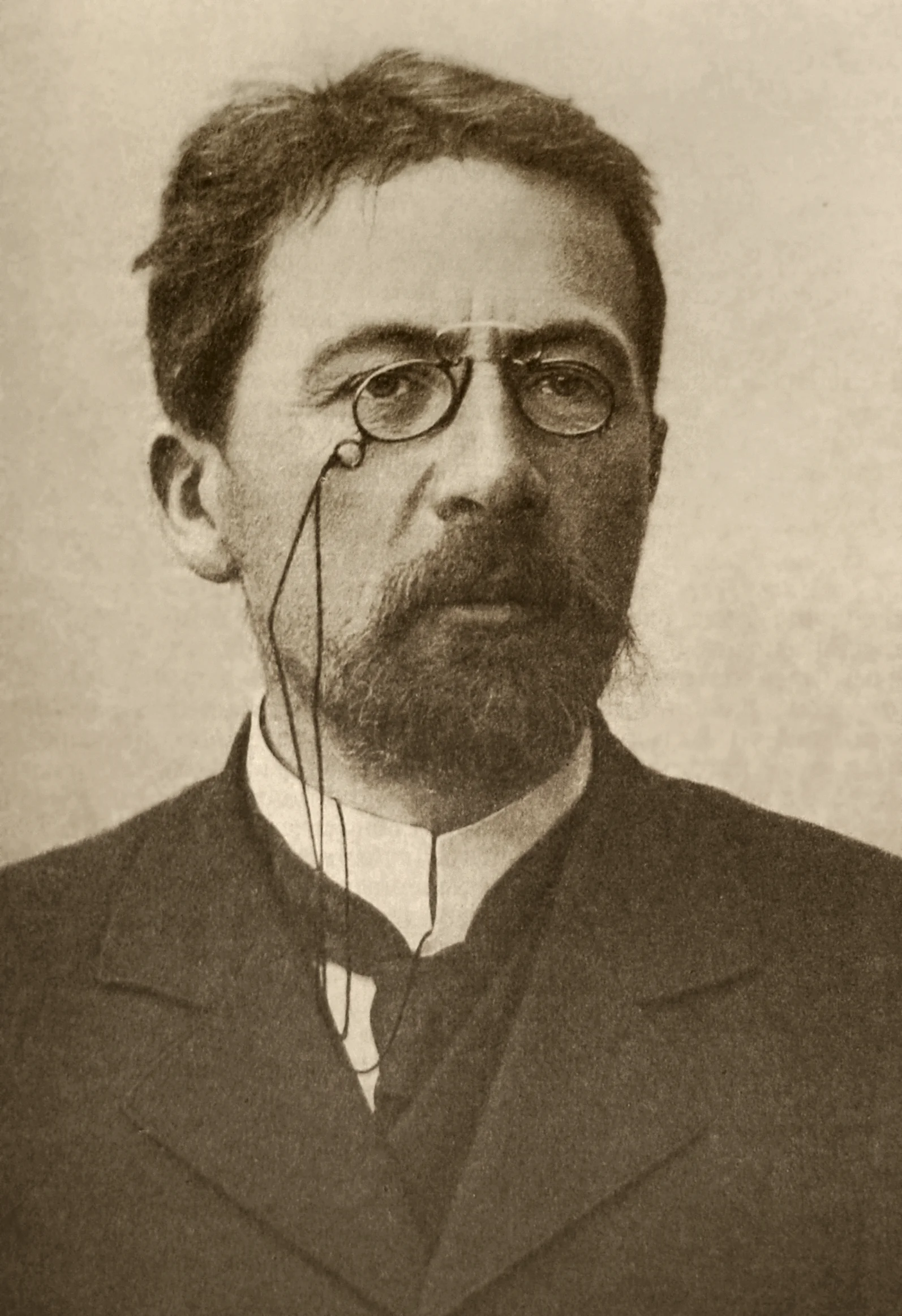
The Cherry Orchard - Theatersummer Sanssouci
Enter the world of Anton Chekhov's "The Cherry Orchard" in the beautiful Heckentheater, Potsdam.
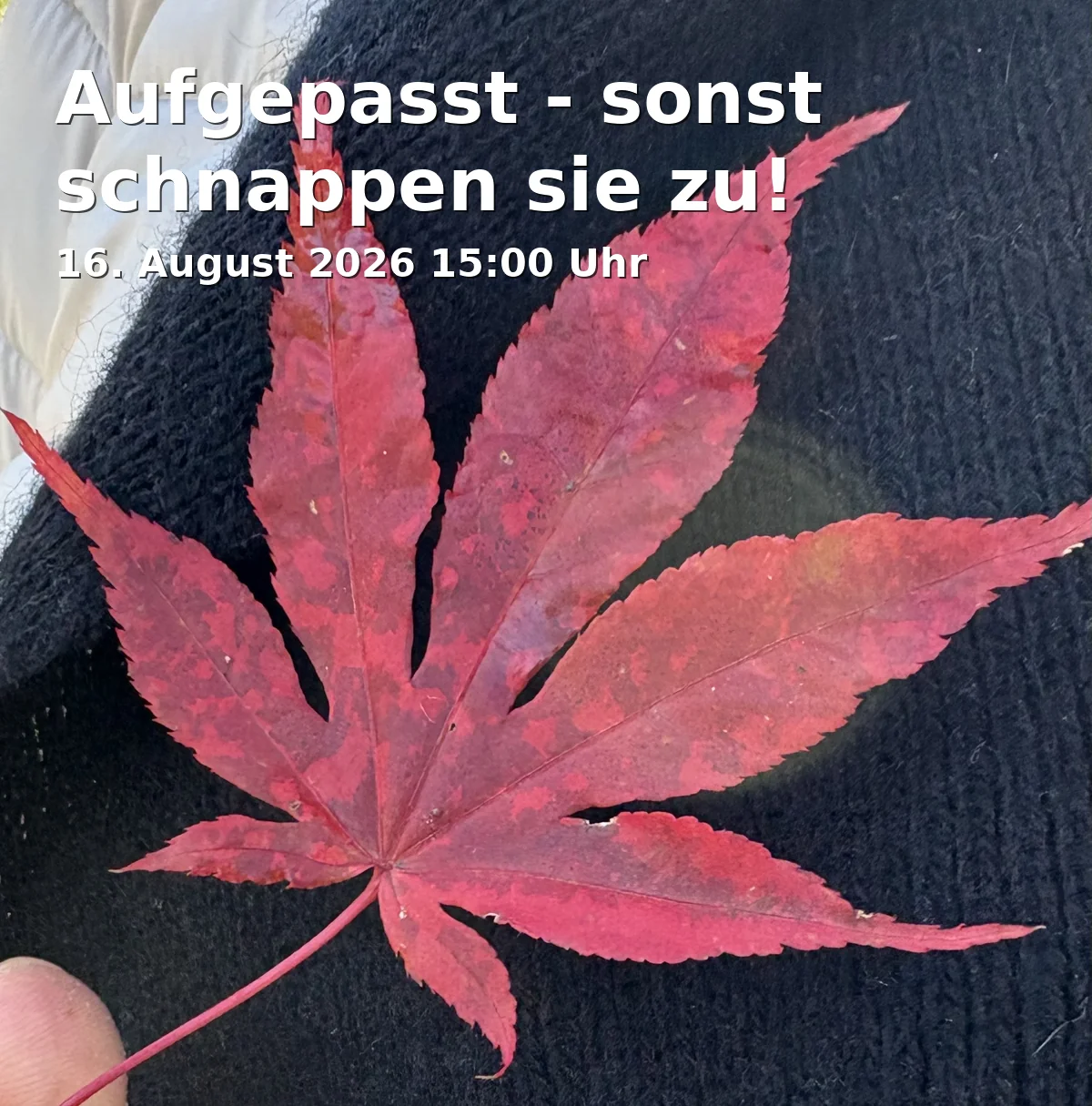
Watch out - or they will snap!
Carnivorous plants up close: In Potsdam, an exciting family program awaits with Steffen Ramm, knowledge, and wonder. 16.08.2026, 6 euros. #Potsdam #Botany
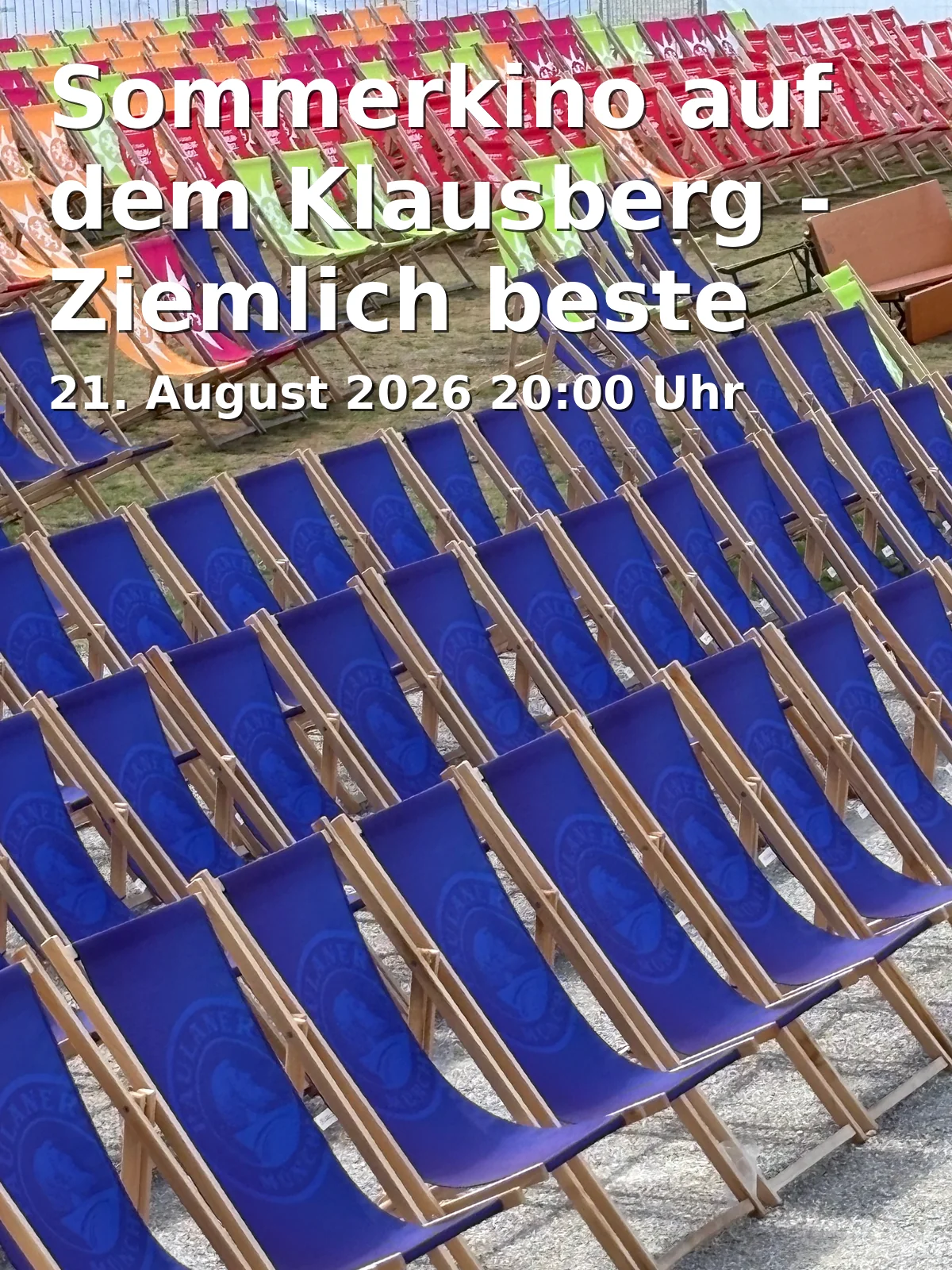
Summer Cinema at Klausberg - The Intouchables
Summer Cinema in the Royal Vineyard: The Intouchables under the stars, with pre-program and summer flair. 21.08.2026, from 27 €. Experience it now. #Potsdam #SummerCinema
Frequently Asked Questions
Reviews
No reviews found