
Potsdam
Alter Markt 1, 14467 Potsdam, Deutschland
Brandenburg State Parliament | Livestream & Seat Distribution
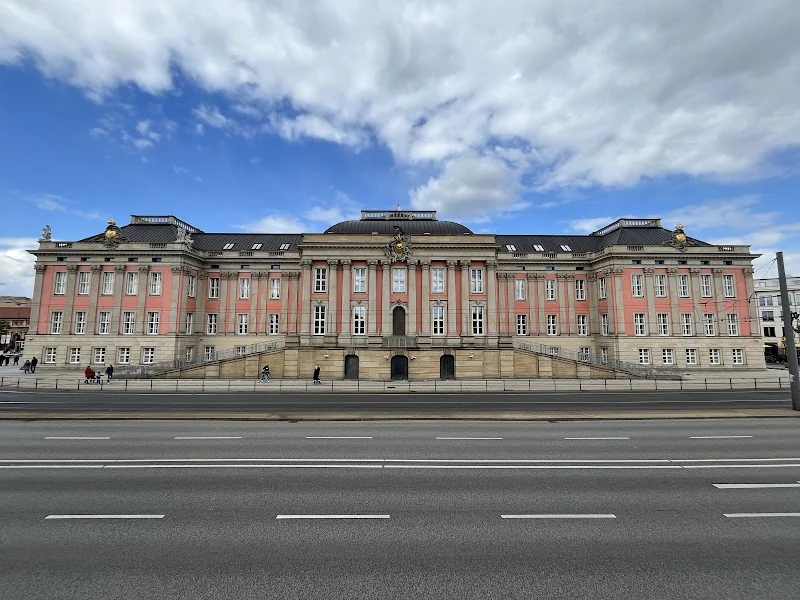
The Brandenburg State Parliament at Alten Markt 1 in Potsdam is much more than just an administrative building: it is the political center of the state, a publicly accessible place for debate, and an architecturally impressive ensemble with historical depth. Those searching for Brandenburg State Parliament live, livestream, media library, seat distribution, or today's appointments usually want two things: to quickly understand what is happening in the parliament and to find reliable facts that go beyond superficial short descriptions. This is exactly what this place stands for. The Brandenburg State Parliament combines the reconstruction of the former city palace site with a modern parliamentary operation that focuses on transparency, visitor-friendliness, and public accessibility. The plenary hall is designed for 88 members and additionally offers a guest gallery for 160 visitors. At the same time, the building, with its exhibitions, foyer, Knobelsdorff staircase, cafeteria, and courtyard, is designed as an open house. The fact that this political institution is located in the historical center of Potsdam makes the Brandenburg State Parliament particularly relevant not only for citizens but also for guests, school classes, media, and interested parties. ([landtag.brandenburg.de](https://www.landtag.brandenburg.de/de/konzept_und_baugeschichte/25607))
Brandenburg State Parliament live: Livestream, Media Library, and Today's Appointments
The search queries around Brandenburg State Parliament live, livestream, and media library clearly show what many users expect: to not only read about political decisions as headlines but to experience them live. This is exactly what the Brandenburg State Parliament enables through its official live broadcasts. The website shows plenary, committee, and board meetings in a livestream; additionally, the media library publishes recordings of these sessions, along with the parliamentary ABC with explanatory videos, sign language videos, and other contributions. For many interested parties, this is particularly important because it allows them to trace how debates unfolded, what arguments were presented, and how votes were prepared, even afterwards. The parliament thus offers a form of political transparency that goes far beyond a simple schedule. ([landtag.brandenburg.de](https://www.landtag.brandenburg.de/de/aktuelles/neuigkeiten/mediathek/39656))
Those who want to know what is happening in the Brandenburg State Parliament today can find a current schedule on the website with upcoming appointments, plenary sessions, as well as committees and boards. This is particularly useful for search queries like Brandenburg State Parliament today, as it not only shows the next meeting day but also provides a perspective on upcoming plenary debates and committee dates. Additionally, the official site points out that viewers can attend plenary sessions on-site after prior registration, provided they present an official photo ID at the entrance. This complements digital access with a real visit to the parliament, which is especially exciting for students, visitor groups, and politically interested individuals. This creates a modern mix of information from live images, schedule overview, and physical participation. ([landtag.brandenburg.de](https://www.landtag.brandenburg.de/de/aktuelles/neuigkeiten/aktuelle_meldungen/plenum_befasst_sich_mit_wissenschaft_und_regierungserklaerung/47771?utm_source=openai))
Post-use is also important. A few days after the plenary sessions, the recordings of the livestreams can be accessed online in the media library. In addition, the Berlin-Brandenburg Broadcasting Corporation has prepared the speeches from the session days and makes them available in the archive. For users who specifically search for protocols, agenda items, or longer debates, this is a significant added value because it allows them to not only follow the live moment but also to trace the archived parliamentary work. Especially in longer plenary sessions or controversial topics, this combination of livestream and media library is crucial for reach and comprehensibility. ([landtag.brandenburg.de](https://www.landtag.brandenburg.de/de/aktuelles/neuigkeiten/livestreams/25211))
Current Seat Distribution, Members, and Seats in the Plenary
A central keyword cluster around Brandenburg State Parliament seat distribution, members, and seats refers to the question of how the parliament is currently composed. The official plenary seating arrangement of the parliament indicates a changed seating arrangement for January 2026 following the exit of five members from the BSW faction: The SPD faction has 34 members, the AfD faction 30, the CDU faction 12, and the BSW faction 9; three members are non-affiliated. This is relevant for anyone interested in coalitions, majorities, or the work of the factions, as the seat distribution reflects the political dynamics of the house. Unlike a simple overview or a wiki entry, the official seating arrangement shows the current, institutionally relevant status. ([landtag.brandenburg.de](https://www.landtag.brandenburg.de/de/abgeordnete_-_fraktionen/abgeordnete/plenarsitzordnung/25228))
The basis for this is the Brandenburg electoral system. The parliament is elected for five years, and there are currently 44 electoral districts in Brandenburg, in which one member is directly elected. The parliament normally consists of 88 members; through compensatory mandates, up to 110 members can enter the parliament. This combination of personal and proportional voting explains why search queries like Brandenburg State Parliament election, seat distribution 2024, seat distribution 2025, or seat distribution 2026 occur so frequently together: To understand the composition, one must consider both the election and the current faction strength. The official parliamentary website explicitly describes this as a personalized proportional election with first and second votes. ([landtag.brandenburg.de](https://www.landtag.brandenburg.de/de/abgeordnete_-_fraktionen/mandat/wahlen_zum_landtag/25140))
For political classification, it is also important that faction sizes can change during a legislative period. This is particularly evident in January 2026, when faction exits shifted the size ratios. Therefore, anyone searching for Brandenburg State Parliament members or Brandenburg State Parliament coalition should always read the numbers in the context of the respective legislative period and not just as a static snapshot. The official parliamentary documentation and the members' handbook provide additional background information on mandates, biographies, committees, and age structure. This transforms a mere number of seats into a reliable picture of parliamentary reality. ([landtag.brandenburg.de](https://www.landtag.brandenburg.de/de/aktuelles/neuigkeiten/aktuelle_meldungen/landtag_beschlieszt_neue_besetzung_fuer_ausschuesse/47035?utm_source=openai))
Access, Entrance, and Parking at Alten Markt
The practical question of access, entrance, and parking is among the most searched topics because the Brandenburg State Parliament is located in the heart of Potsdam's old town and does not have large parking areas like a trade fair center or concert hall. The official access leads from Alten Markt through the Fortuna portal. At the same time, the parliament points out that there are no parking spaces available on the premises. There is a stopping point for buses in front of the Film Museum on Breite Straße, allowing groups to conveniently board and disembark. Therefore, those arriving by car must consider the city center logic and ideally plan their routes in advance. This is why search queries like Brandenburg State Parliament parking or Brandenburg State Parliament access are so relevant. ([landtag.brandenburg.de](https://www.landtag.brandenburg.de/de/landtag_kennenlernen/gebaeude_und_verwaltung/anfahrt_zugang_und_oeffnungszeiten/25863))
Additionally, the parking regulations for people with a disabled parking permit are currently different due to construction work in the vicinity of the parliament. According to the official site, the disabled parking spaces in front of the Potsdam Museum are currently unavailable; holders of the blue, EU-wide valid disabled parking permit can instead park at Alten Markt. Access there is via the street Am Alten Markt. For many visitors, it is also helpful that the walking distance from Potsdam Central Station is about 10 minutes or around 700 meters. Thus, the Brandenburg State Parliament is also easily accessible without a car, especially when combining the visit with a stroll through the city center. ([landtag.brandenburg.de](https://www.landtag.brandenburg.de/de/landtag_kennenlernen/gebaeude_und_verwaltung/anfahrt_zugang_und_oeffnungszeiten/25863))
The opening hours are also important for planning. The inner courtyard of the parliament is open daily from 8:00 AM to 8:00 PM during regular operation. The Knobelsdorff staircase, the exhibitions in the parliament, and the foyer with the interactive building model are accessible Monday to Friday from 8:00 AM to 6:00 PM. On plenary session days, there are additional access regulations: visitors must present an official photo ID. For practical visits, this means that one should not forget the ID and especially plan a bit more time on plenary days. The public areas are also equipped with wheelchair spaces, induction loops, and orientation aids, making access easier for different visitor groups. ([landtag.brandenburg.de](https://www.landtag.brandenburg.de/de/landtag_kennenlernen/gebaeude_und_verwaltung/anfahrt_zugang_und_oeffnungszeiten/25863))
Plenary Hall, Visitor Gallery, and Seating Arrangement
The plenary hall is the architectural and political heart of the Brandenburg State Parliament. It is explicitly described as a space for public debate, speech and counter-speech, and decision-making. The official construction and concept page emphasizes that the hall accommodates 88 members and additionally has a guest gallery with 160 seats. The semi-circular seating arrangement symbolizes the democratic idea that decisions are made from the center of the parliament. For search queries like Brandenburg State Parliament seats or Brandenburg State Parliament seat distribution, this is an important indication: It is not just about numbers but also about the spatial and institutional order of political operations. ([landtag.brandenburg.de](https://www.landtag.brandenburg.de/de/konzept_und_baugeschichte/25607))
The hall is architecturally designed with intention. White and red as state colors characterize the space, a light dome in the historical middle Belvedere provides even daylight, and the air cushion in the dome improves acoustics. The visitor gallery allows the public to directly follow the plenary debates, provided they receive a visitor ticket. These tickets are issued by the visitor service and grant access to the gallery. For people who want to experience politics not only online but also on-site, this is a very attractive offer. School classes, political groups, and other interested parties particularly utilize this opportunity to see the work of the members in the original. ([landtag.brandenburg.de](https://www.landtag.brandenburg.de/de/konzept_und_baugeschichte/25607))
Surrounding the plenary hall are other important rooms of parliamentary daily life. The foyer houses exhibitions and an interactive building model, the parliamentary cafeteria is located on the 4th floor, and above are the visitor gallery and press boxes. This makes it clear that the Brandenburg State Parliament does not function as an isolated seat of power but as an open working parliament with clear visitor pathways and structured access. The public visibility of debates, the spatial order of the plenary hall, and the complementary service offerings make the place as interesting for visitors as for politically interested individuals searching for seat distribution or today's appointments. ([landtag.brandenburg.de](https://www.landtag.brandenburg.de/de/konzept_und_baugeschichte/25607))
Cafeteria, Tours, and Job Offers in the Parliament
Those visiting the Brandenburg State Parliament are often interested not only in politics but also in the practical experience on-site. The parliamentary cafeteria is modernly furnished, has its own dining room for registered visitor groups, and a rooftop terrace accessible through the cafeteria with seating and a view over Potsdam's city center. During regular operation, it is open Monday to Friday from 11:30 AM to 2:00 PM; on plenary days, external visitors can use it from 1:00 PM to 2:00 PM. This makes the visit to the parliament also a culinary and spatially pleasant part of the Potsdam stay. The cafeteria is therefore not just a side offer but a real part of the visitor experience. ([landtag.brandenburg.de](https://www.landtag.brandenburg.de/de/landtag_kennenlernen/besucherservice/landtagskantine_und_cafeteria/27110))
The visitor service is also well developed. For individual visitors and small groups of up to ten people, the parliament offers one-hour tours during regular operation, usually twice a month on Fridays from 3:00 PM to 4:00 PM. Registration is possible online up to three months in advance; the tour can be canceled if the minimum number of five participants is not reached. For visitor groups, there are additional formats with an informational presentation in the plenary hall, optionally with or without a discussion with members. This makes the Brandenburg State Parliament suitable for educational trips, club outings, and politically motivated groups as well as for individual guests. Those searching for Brandenburg State Parliament wiki will find here essentially a much more lively and current offer than in a static encyclopedia. ([landtag.brandenburg.de](https://www.landtag.brandenburg.de/de/landtag_kennenlernen/besucherservice/angebote_fuer_einzelbesucher/-innen/25254?utm_source=openai))
Additionally, the Brandenburg State Parliament is interesting for people who want to work professionally with the parliament and administration. The career page regularly publishes current job offers, not only for the parliament administration itself but also for the representatives of the state of Brandenburg for addressing the consequences of the communist dictatorship, for the representative for police affairs, and for the anti-Semitism commissioner. The advertised areas include IT, parliamentary documentation, legal tasks, and visitor service. This makes the parliament an institutional employer with many interfaces between administration, public, and parliamentary operations. Therefore, those searching for Brandenburg State Parliament job offers will find a clear, official entry point here. ([landtag.brandenburg.de](https://www.landtag.brandenburg.de/de/landtag_kennenlernen/gebaeude_und_verwaltung/karriere_im_landtag/aktuelle_stellenangebote/25764?utm_source=openai))
History, Construction History, and the Historical Ensemble at Alten Markt
The location of the Brandenburg State Parliament is historically particularly charged. The official construction history describes the site of the former city palace as one of the oldest settlement areas in Potsdam. As early as the 17th century, the Great Elector Frederick William had a new palace built there in the Dutch style; in 1701, the Fortuna portal became the first building element that remained almost unchanged for a long time. Later, Frederick II shaped the development of Potsdam as a residence city and commissioned Georg Wenzeslaus von Knobelsdorff in 1745 to remodel it in the style of Frederickian Rococo. This development resulted in an ensemble that belonged to the most prominent places in the city for centuries. ([landtag.brandenburg.de](https://www.landtag.brandenburg.de/de/konzept_und_baugeschichte/25607))
After World War II, the area initially lay fallow. The fire destruction of 1945 left a ruin, and Potsdam's center was understood for decades as an urban planning task. In 1990, the city of Potsdam decided to orient further development of the city center towards the historical model. After further planning and realization steps, the project contract for the new parliament building was signed in 2009, the groundbreaking took place in 2011, and on October 10, 2013, the completed building was handed over to the parliament. This chronology is important because it explains why the Brandenburg State Parliament is both a reconstruction and a modern functional building. It stands in a place with a difficult history but also with a visible reclamation of public space. ([landtag.brandenburg.de](https://www.landtag.brandenburg.de/de/konzept_und_baugeschichte/25607))
The architectural implementation is impressively detailed. Through a donation from the Hasso Plattner Foundation, the external appearance could be adapted to the historical model in terms of workmanship and materials; the roofing with historically documented copper was also made possible. Inside, the access, meeting rooms, plenary hall, and presidential areas were tailored to the needs of modern parliamentary operations. The parliament has about 19,000 square meters of usable space, including an underground garage, a gross floor area of 34,525 square meters, a gross volume of 150,632 cubic meters, and a total of 375 offices. In addition, there are the courtyard, the Knobelsdorff staircase, the archaeological window, and part of the rebuilt Ringer colonnade. This mix of history, reconstruction, and modern function is one of the main reasons why the Brandenburg State Parliament is in high demand not only politically but also architecturally. ([landtag.brandenburg.de](https://www.landtag.brandenburg.de/de/konzept_und_baugeschichte/25607))
Sources:
- Brandenburg State Parliament - Concept and Construction History
- Brandenburg State Parliament - Access, Entrance, and Opening Hours
- Brandenburg State Parliament - Livestreams
- Brandenburg State Parliament - Media Library
- Brandenburg State Parliament - Plenary Seating Arrangement
- Brandenburg State Parliament - Parliamentary Cafeteria and Cafeteria
- Brandenburg State Parliament - Offers for Individual Visitors
- Brandenburg State Parliament - Current Job Offers
Show moreShow less
Brandenburg State Parliament | Livestream & Seat Distribution
The Brandenburg State Parliament at Alten Markt 1 in Potsdam is much more than just an administrative building: it is the political center of the state, a publicly accessible place for debate, and an architecturally impressive ensemble with historical depth. Those searching for Brandenburg State Parliament live, livestream, media library, seat distribution, or today's appointments usually want two things: to quickly understand what is happening in the parliament and to find reliable facts that go beyond superficial short descriptions. This is exactly what this place stands for. The Brandenburg State Parliament combines the reconstruction of the former city palace site with a modern parliamentary operation that focuses on transparency, visitor-friendliness, and public accessibility. The plenary hall is designed for 88 members and additionally offers a guest gallery for 160 visitors. At the same time, the building, with its exhibitions, foyer, Knobelsdorff staircase, cafeteria, and courtyard, is designed as an open house. The fact that this political institution is located in the historical center of Potsdam makes the Brandenburg State Parliament particularly relevant not only for citizens but also for guests, school classes, media, and interested parties. ([landtag.brandenburg.de](https://www.landtag.brandenburg.de/de/konzept_und_baugeschichte/25607))
Brandenburg State Parliament live: Livestream, Media Library, and Today's Appointments
The search queries around Brandenburg State Parliament live, livestream, and media library clearly show what many users expect: to not only read about political decisions as headlines but to experience them live. This is exactly what the Brandenburg State Parliament enables through its official live broadcasts. The website shows plenary, committee, and board meetings in a livestream; additionally, the media library publishes recordings of these sessions, along with the parliamentary ABC with explanatory videos, sign language videos, and other contributions. For many interested parties, this is particularly important because it allows them to trace how debates unfolded, what arguments were presented, and how votes were prepared, even afterwards. The parliament thus offers a form of political transparency that goes far beyond a simple schedule. ([landtag.brandenburg.de](https://www.landtag.brandenburg.de/de/aktuelles/neuigkeiten/mediathek/39656))
Those who want to know what is happening in the Brandenburg State Parliament today can find a current schedule on the website with upcoming appointments, plenary sessions, as well as committees and boards. This is particularly useful for search queries like Brandenburg State Parliament today, as it not only shows the next meeting day but also provides a perspective on upcoming plenary debates and committee dates. Additionally, the official site points out that viewers can attend plenary sessions on-site after prior registration, provided they present an official photo ID at the entrance. This complements digital access with a real visit to the parliament, which is especially exciting for students, visitor groups, and politically interested individuals. This creates a modern mix of information from live images, schedule overview, and physical participation. ([landtag.brandenburg.de](https://www.landtag.brandenburg.de/de/aktuelles/neuigkeiten/aktuelle_meldungen/plenum_befasst_sich_mit_wissenschaft_und_regierungserklaerung/47771?utm_source=openai))
Post-use is also important. A few days after the plenary sessions, the recordings of the livestreams can be accessed online in the media library. In addition, the Berlin-Brandenburg Broadcasting Corporation has prepared the speeches from the session days and makes them available in the archive. For users who specifically search for protocols, agenda items, or longer debates, this is a significant added value because it allows them to not only follow the live moment but also to trace the archived parliamentary work. Especially in longer plenary sessions or controversial topics, this combination of livestream and media library is crucial for reach and comprehensibility. ([landtag.brandenburg.de](https://www.landtag.brandenburg.de/de/aktuelles/neuigkeiten/livestreams/25211))
Current Seat Distribution, Members, and Seats in the Plenary
A central keyword cluster around Brandenburg State Parliament seat distribution, members, and seats refers to the question of how the parliament is currently composed. The official plenary seating arrangement of the parliament indicates a changed seating arrangement for January 2026 following the exit of five members from the BSW faction: The SPD faction has 34 members, the AfD faction 30, the CDU faction 12, and the BSW faction 9; three members are non-affiliated. This is relevant for anyone interested in coalitions, majorities, or the work of the factions, as the seat distribution reflects the political dynamics of the house. Unlike a simple overview or a wiki entry, the official seating arrangement shows the current, institutionally relevant status. ([landtag.brandenburg.de](https://www.landtag.brandenburg.de/de/abgeordnete_-_fraktionen/abgeordnete/plenarsitzordnung/25228))
The basis for this is the Brandenburg electoral system. The parliament is elected for five years, and there are currently 44 electoral districts in Brandenburg, in which one member is directly elected. The parliament normally consists of 88 members; through compensatory mandates, up to 110 members can enter the parliament. This combination of personal and proportional voting explains why search queries like Brandenburg State Parliament election, seat distribution 2024, seat distribution 2025, or seat distribution 2026 occur so frequently together: To understand the composition, one must consider both the election and the current faction strength. The official parliamentary website explicitly describes this as a personalized proportional election with first and second votes. ([landtag.brandenburg.de](https://www.landtag.brandenburg.de/de/abgeordnete_-_fraktionen/mandat/wahlen_zum_landtag/25140))
For political classification, it is also important that faction sizes can change during a legislative period. This is particularly evident in January 2026, when faction exits shifted the size ratios. Therefore, anyone searching for Brandenburg State Parliament members or Brandenburg State Parliament coalition should always read the numbers in the context of the respective legislative period and not just as a static snapshot. The official parliamentary documentation and the members' handbook provide additional background information on mandates, biographies, committees, and age structure. This transforms a mere number of seats into a reliable picture of parliamentary reality. ([landtag.brandenburg.de](https://www.landtag.brandenburg.de/de/aktuelles/neuigkeiten/aktuelle_meldungen/landtag_beschlieszt_neue_besetzung_fuer_ausschuesse/47035?utm_source=openai))
Access, Entrance, and Parking at Alten Markt
The practical question of access, entrance, and parking is among the most searched topics because the Brandenburg State Parliament is located in the heart of Potsdam's old town and does not have large parking areas like a trade fair center or concert hall. The official access leads from Alten Markt through the Fortuna portal. At the same time, the parliament points out that there are no parking spaces available on the premises. There is a stopping point for buses in front of the Film Museum on Breite Straße, allowing groups to conveniently board and disembark. Therefore, those arriving by car must consider the city center logic and ideally plan their routes in advance. This is why search queries like Brandenburg State Parliament parking or Brandenburg State Parliament access are so relevant. ([landtag.brandenburg.de](https://www.landtag.brandenburg.de/de/landtag_kennenlernen/gebaeude_und_verwaltung/anfahrt_zugang_und_oeffnungszeiten/25863))
Additionally, the parking regulations for people with a disabled parking permit are currently different due to construction work in the vicinity of the parliament. According to the official site, the disabled parking spaces in front of the Potsdam Museum are currently unavailable; holders of the blue, EU-wide valid disabled parking permit can instead park at Alten Markt. Access there is via the street Am Alten Markt. For many visitors, it is also helpful that the walking distance from Potsdam Central Station is about 10 minutes or around 700 meters. Thus, the Brandenburg State Parliament is also easily accessible without a car, especially when combining the visit with a stroll through the city center. ([landtag.brandenburg.de](https://www.landtag.brandenburg.de/de/landtag_kennenlernen/gebaeude_und_verwaltung/anfahrt_zugang_und_oeffnungszeiten/25863))
The opening hours are also important for planning. The inner courtyard of the parliament is open daily from 8:00 AM to 8:00 PM during regular operation. The Knobelsdorff staircase, the exhibitions in the parliament, and the foyer with the interactive building model are accessible Monday to Friday from 8:00 AM to 6:00 PM. On plenary session days, there are additional access regulations: visitors must present an official photo ID. For practical visits, this means that one should not forget the ID and especially plan a bit more time on plenary days. The public areas are also equipped with wheelchair spaces, induction loops, and orientation aids, making access easier for different visitor groups. ([landtag.brandenburg.de](https://www.landtag.brandenburg.de/de/landtag_kennenlernen/gebaeude_und_verwaltung/anfahrt_zugang_und_oeffnungszeiten/25863))
Plenary Hall, Visitor Gallery, and Seating Arrangement
The plenary hall is the architectural and political heart of the Brandenburg State Parliament. It is explicitly described as a space for public debate, speech and counter-speech, and decision-making. The official construction and concept page emphasizes that the hall accommodates 88 members and additionally has a guest gallery with 160 seats. The semi-circular seating arrangement symbolizes the democratic idea that decisions are made from the center of the parliament. For search queries like Brandenburg State Parliament seats or Brandenburg State Parliament seat distribution, this is an important indication: It is not just about numbers but also about the spatial and institutional order of political operations. ([landtag.brandenburg.de](https://www.landtag.brandenburg.de/de/konzept_und_baugeschichte/25607))
The hall is architecturally designed with intention. White and red as state colors characterize the space, a light dome in the historical middle Belvedere provides even daylight, and the air cushion in the dome improves acoustics. The visitor gallery allows the public to directly follow the plenary debates, provided they receive a visitor ticket. These tickets are issued by the visitor service and grant access to the gallery. For people who want to experience politics not only online but also on-site, this is a very attractive offer. School classes, political groups, and other interested parties particularly utilize this opportunity to see the work of the members in the original. ([landtag.brandenburg.de](https://www.landtag.brandenburg.de/de/konzept_und_baugeschichte/25607))
Surrounding the plenary hall are other important rooms of parliamentary daily life. The foyer houses exhibitions and an interactive building model, the parliamentary cafeteria is located on the 4th floor, and above are the visitor gallery and press boxes. This makes it clear that the Brandenburg State Parliament does not function as an isolated seat of power but as an open working parliament with clear visitor pathways and structured access. The public visibility of debates, the spatial order of the plenary hall, and the complementary service offerings make the place as interesting for visitors as for politically interested individuals searching for seat distribution or today's appointments. ([landtag.brandenburg.de](https://www.landtag.brandenburg.de/de/konzept_und_baugeschichte/25607))
Cafeteria, Tours, and Job Offers in the Parliament
Those visiting the Brandenburg State Parliament are often interested not only in politics but also in the practical experience on-site. The parliamentary cafeteria is modernly furnished, has its own dining room for registered visitor groups, and a rooftop terrace accessible through the cafeteria with seating and a view over Potsdam's city center. During regular operation, it is open Monday to Friday from 11:30 AM to 2:00 PM; on plenary days, external visitors can use it from 1:00 PM to 2:00 PM. This makes the visit to the parliament also a culinary and spatially pleasant part of the Potsdam stay. The cafeteria is therefore not just a side offer but a real part of the visitor experience. ([landtag.brandenburg.de](https://www.landtag.brandenburg.de/de/landtag_kennenlernen/besucherservice/landtagskantine_und_cafeteria/27110))
The visitor service is also well developed. For individual visitors and small groups of up to ten people, the parliament offers one-hour tours during regular operation, usually twice a month on Fridays from 3:00 PM to 4:00 PM. Registration is possible online up to three months in advance; the tour can be canceled if the minimum number of five participants is not reached. For visitor groups, there are additional formats with an informational presentation in the plenary hall, optionally with or without a discussion with members. This makes the Brandenburg State Parliament suitable for educational trips, club outings, and politically motivated groups as well as for individual guests. Those searching for Brandenburg State Parliament wiki will find here essentially a much more lively and current offer than in a static encyclopedia. ([landtag.brandenburg.de](https://www.landtag.brandenburg.de/de/landtag_kennenlernen/besucherservice/angebote_fuer_einzelbesucher/-innen/25254?utm_source=openai))
Additionally, the Brandenburg State Parliament is interesting for people who want to work professionally with the parliament and administration. The career page regularly publishes current job offers, not only for the parliament administration itself but also for the representatives of the state of Brandenburg for addressing the consequences of the communist dictatorship, for the representative for police affairs, and for the anti-Semitism commissioner. The advertised areas include IT, parliamentary documentation, legal tasks, and visitor service. This makes the parliament an institutional employer with many interfaces between administration, public, and parliamentary operations. Therefore, those searching for Brandenburg State Parliament job offers will find a clear, official entry point here. ([landtag.brandenburg.de](https://www.landtag.brandenburg.de/de/landtag_kennenlernen/gebaeude_und_verwaltung/karriere_im_landtag/aktuelle_stellenangebote/25764?utm_source=openai))
History, Construction History, and the Historical Ensemble at Alten Markt
The location of the Brandenburg State Parliament is historically particularly charged. The official construction history describes the site of the former city palace as one of the oldest settlement areas in Potsdam. As early as the 17th century, the Great Elector Frederick William had a new palace built there in the Dutch style; in 1701, the Fortuna portal became the first building element that remained almost unchanged for a long time. Later, Frederick II shaped the development of Potsdam as a residence city and commissioned Georg Wenzeslaus von Knobelsdorff in 1745 to remodel it in the style of Frederickian Rococo. This development resulted in an ensemble that belonged to the most prominent places in the city for centuries. ([landtag.brandenburg.de](https://www.landtag.brandenburg.de/de/konzept_und_baugeschichte/25607))
After World War II, the area initially lay fallow. The fire destruction of 1945 left a ruin, and Potsdam's center was understood for decades as an urban planning task. In 1990, the city of Potsdam decided to orient further development of the city center towards the historical model. After further planning and realization steps, the project contract for the new parliament building was signed in 2009, the groundbreaking took place in 2011, and on October 10, 2013, the completed building was handed over to the parliament. This chronology is important because it explains why the Brandenburg State Parliament is both a reconstruction and a modern functional building. It stands in a place with a difficult history but also with a visible reclamation of public space. ([landtag.brandenburg.de](https://www.landtag.brandenburg.de/de/konzept_und_baugeschichte/25607))
The architectural implementation is impressively detailed. Through a donation from the Hasso Plattner Foundation, the external appearance could be adapted to the historical model in terms of workmanship and materials; the roofing with historically documented copper was also made possible. Inside, the access, meeting rooms, plenary hall, and presidential areas were tailored to the needs of modern parliamentary operations. The parliament has about 19,000 square meters of usable space, including an underground garage, a gross floor area of 34,525 square meters, a gross volume of 150,632 cubic meters, and a total of 375 offices. In addition, there are the courtyard, the Knobelsdorff staircase, the archaeological window, and part of the rebuilt Ringer colonnade. This mix of history, reconstruction, and modern function is one of the main reasons why the Brandenburg State Parliament is in high demand not only politically but also architecturally. ([landtag.brandenburg.de](https://www.landtag.brandenburg.de/de/konzept_und_baugeschichte/25607))
Sources:
- Brandenburg State Parliament - Concept and Construction History
- Brandenburg State Parliament - Access, Entrance, and Opening Hours
- Brandenburg State Parliament - Livestreams
- Brandenburg State Parliament - Media Library
- Brandenburg State Parliament - Plenary Seating Arrangement
- Brandenburg State Parliament - Parliamentary Cafeteria and Cafeteria
- Brandenburg State Parliament - Offers for Individual Visitors
- Brandenburg State Parliament - Current Job Offers
Brandenburg State Parliament | Livestream & Seat Distribution
The Brandenburg State Parliament at Alten Markt 1 in Potsdam is much more than just an administrative building: it is the political center of the state, a publicly accessible place for debate, and an architecturally impressive ensemble with historical depth. Those searching for Brandenburg State Parliament live, livestream, media library, seat distribution, or today's appointments usually want two things: to quickly understand what is happening in the parliament and to find reliable facts that go beyond superficial short descriptions. This is exactly what this place stands for. The Brandenburg State Parliament combines the reconstruction of the former city palace site with a modern parliamentary operation that focuses on transparency, visitor-friendliness, and public accessibility. The plenary hall is designed for 88 members and additionally offers a guest gallery for 160 visitors. At the same time, the building, with its exhibitions, foyer, Knobelsdorff staircase, cafeteria, and courtyard, is designed as an open house. The fact that this political institution is located in the historical center of Potsdam makes the Brandenburg State Parliament particularly relevant not only for citizens but also for guests, school classes, media, and interested parties. ([landtag.brandenburg.de](https://www.landtag.brandenburg.de/de/konzept_und_baugeschichte/25607))
Brandenburg State Parliament live: Livestream, Media Library, and Today's Appointments
The search queries around Brandenburg State Parliament live, livestream, and media library clearly show what many users expect: to not only read about political decisions as headlines but to experience them live. This is exactly what the Brandenburg State Parliament enables through its official live broadcasts. The website shows plenary, committee, and board meetings in a livestream; additionally, the media library publishes recordings of these sessions, along with the parliamentary ABC with explanatory videos, sign language videos, and other contributions. For many interested parties, this is particularly important because it allows them to trace how debates unfolded, what arguments were presented, and how votes were prepared, even afterwards. The parliament thus offers a form of political transparency that goes far beyond a simple schedule. ([landtag.brandenburg.de](https://www.landtag.brandenburg.de/de/aktuelles/neuigkeiten/mediathek/39656))
Those who want to know what is happening in the Brandenburg State Parliament today can find a current schedule on the website with upcoming appointments, plenary sessions, as well as committees and boards. This is particularly useful for search queries like Brandenburg State Parliament today, as it not only shows the next meeting day but also provides a perspective on upcoming plenary debates and committee dates. Additionally, the official site points out that viewers can attend plenary sessions on-site after prior registration, provided they present an official photo ID at the entrance. This complements digital access with a real visit to the parliament, which is especially exciting for students, visitor groups, and politically interested individuals. This creates a modern mix of information from live images, schedule overview, and physical participation. ([landtag.brandenburg.de](https://www.landtag.brandenburg.de/de/aktuelles/neuigkeiten/aktuelle_meldungen/plenum_befasst_sich_mit_wissenschaft_und_regierungserklaerung/47771?utm_source=openai))
Post-use is also important. A few days after the plenary sessions, the recordings of the livestreams can be accessed online in the media library. In addition, the Berlin-Brandenburg Broadcasting Corporation has prepared the speeches from the session days and makes them available in the archive. For users who specifically search for protocols, agenda items, or longer debates, this is a significant added value because it allows them to not only follow the live moment but also to trace the archived parliamentary work. Especially in longer plenary sessions or controversial topics, this combination of livestream and media library is crucial for reach and comprehensibility. ([landtag.brandenburg.de](https://www.landtag.brandenburg.de/de/aktuelles/neuigkeiten/livestreams/25211))
Current Seat Distribution, Members, and Seats in the Plenary
A central keyword cluster around Brandenburg State Parliament seat distribution, members, and seats refers to the question of how the parliament is currently composed. The official plenary seating arrangement of the parliament indicates a changed seating arrangement for January 2026 following the exit of five members from the BSW faction: The SPD faction has 34 members, the AfD faction 30, the CDU faction 12, and the BSW faction 9; three members are non-affiliated. This is relevant for anyone interested in coalitions, majorities, or the work of the factions, as the seat distribution reflects the political dynamics of the house. Unlike a simple overview or a wiki entry, the official seating arrangement shows the current, institutionally relevant status. ([landtag.brandenburg.de](https://www.landtag.brandenburg.de/de/abgeordnete_-_fraktionen/abgeordnete/plenarsitzordnung/25228))
The basis for this is the Brandenburg electoral system. The parliament is elected for five years, and there are currently 44 electoral districts in Brandenburg, in which one member is directly elected. The parliament normally consists of 88 members; through compensatory mandates, up to 110 members can enter the parliament. This combination of personal and proportional voting explains why search queries like Brandenburg State Parliament election, seat distribution 2024, seat distribution 2025, or seat distribution 2026 occur so frequently together: To understand the composition, one must consider both the election and the current faction strength. The official parliamentary website explicitly describes this as a personalized proportional election with first and second votes. ([landtag.brandenburg.de](https://www.landtag.brandenburg.de/de/abgeordnete_-_fraktionen/mandat/wahlen_zum_landtag/25140))
For political classification, it is also important that faction sizes can change during a legislative period. This is particularly evident in January 2026, when faction exits shifted the size ratios. Therefore, anyone searching for Brandenburg State Parliament members or Brandenburg State Parliament coalition should always read the numbers in the context of the respective legislative period and not just as a static snapshot. The official parliamentary documentation and the members' handbook provide additional background information on mandates, biographies, committees, and age structure. This transforms a mere number of seats into a reliable picture of parliamentary reality. ([landtag.brandenburg.de](https://www.landtag.brandenburg.de/de/aktuelles/neuigkeiten/aktuelle_meldungen/landtag_beschlieszt_neue_besetzung_fuer_ausschuesse/47035?utm_source=openai))
Access, Entrance, and Parking at Alten Markt
The practical question of access, entrance, and parking is among the most searched topics because the Brandenburg State Parliament is located in the heart of Potsdam's old town and does not have large parking areas like a trade fair center or concert hall. The official access leads from Alten Markt through the Fortuna portal. At the same time, the parliament points out that there are no parking spaces available on the premises. There is a stopping point for buses in front of the Film Museum on Breite Straße, allowing groups to conveniently board and disembark. Therefore, those arriving by car must consider the city center logic and ideally plan their routes in advance. This is why search queries like Brandenburg State Parliament parking or Brandenburg State Parliament access are so relevant. ([landtag.brandenburg.de](https://www.landtag.brandenburg.de/de/landtag_kennenlernen/gebaeude_und_verwaltung/anfahrt_zugang_und_oeffnungszeiten/25863))
Additionally, the parking regulations for people with a disabled parking permit are currently different due to construction work in the vicinity of the parliament. According to the official site, the disabled parking spaces in front of the Potsdam Museum are currently unavailable; holders of the blue, EU-wide valid disabled parking permit can instead park at Alten Markt. Access there is via the street Am Alten Markt. For many visitors, it is also helpful that the walking distance from Potsdam Central Station is about 10 minutes or around 700 meters. Thus, the Brandenburg State Parliament is also easily accessible without a car, especially when combining the visit with a stroll through the city center. ([landtag.brandenburg.de](https://www.landtag.brandenburg.de/de/landtag_kennenlernen/gebaeude_und_verwaltung/anfahrt_zugang_und_oeffnungszeiten/25863))
The opening hours are also important for planning. The inner courtyard of the parliament is open daily from 8:00 AM to 8:00 PM during regular operation. The Knobelsdorff staircase, the exhibitions in the parliament, and the foyer with the interactive building model are accessible Monday to Friday from 8:00 AM to 6:00 PM. On plenary session days, there are additional access regulations: visitors must present an official photo ID. For practical visits, this means that one should not forget the ID and especially plan a bit more time on plenary days. The public areas are also equipped with wheelchair spaces, induction loops, and orientation aids, making access easier for different visitor groups. ([landtag.brandenburg.de](https://www.landtag.brandenburg.de/de/landtag_kennenlernen/gebaeude_und_verwaltung/anfahrt_zugang_und_oeffnungszeiten/25863))
Plenary Hall, Visitor Gallery, and Seating Arrangement
The plenary hall is the architectural and political heart of the Brandenburg State Parliament. It is explicitly described as a space for public debate, speech and counter-speech, and decision-making. The official construction and concept page emphasizes that the hall accommodates 88 members and additionally has a guest gallery with 160 seats. The semi-circular seating arrangement symbolizes the democratic idea that decisions are made from the center of the parliament. For search queries like Brandenburg State Parliament seats or Brandenburg State Parliament seat distribution, this is an important indication: It is not just about numbers but also about the spatial and institutional order of political operations. ([landtag.brandenburg.de](https://www.landtag.brandenburg.de/de/konzept_und_baugeschichte/25607))
The hall is architecturally designed with intention. White and red as state colors characterize the space, a light dome in the historical middle Belvedere provides even daylight, and the air cushion in the dome improves acoustics. The visitor gallery allows the public to directly follow the plenary debates, provided they receive a visitor ticket. These tickets are issued by the visitor service and grant access to the gallery. For people who want to experience politics not only online but also on-site, this is a very attractive offer. School classes, political groups, and other interested parties particularly utilize this opportunity to see the work of the members in the original. ([landtag.brandenburg.de](https://www.landtag.brandenburg.de/de/konzept_und_baugeschichte/25607))
Surrounding the plenary hall are other important rooms of parliamentary daily life. The foyer houses exhibitions and an interactive building model, the parliamentary cafeteria is located on the 4th floor, and above are the visitor gallery and press boxes. This makes it clear that the Brandenburg State Parliament does not function as an isolated seat of power but as an open working parliament with clear visitor pathways and structured access. The public visibility of debates, the spatial order of the plenary hall, and the complementary service offerings make the place as interesting for visitors as for politically interested individuals searching for seat distribution or today's appointments. ([landtag.brandenburg.de](https://www.landtag.brandenburg.de/de/konzept_und_baugeschichte/25607))
Cafeteria, Tours, and Job Offers in the Parliament
Those visiting the Brandenburg State Parliament are often interested not only in politics but also in the practical experience on-site. The parliamentary cafeteria is modernly furnished, has its own dining room for registered visitor groups, and a rooftop terrace accessible through the cafeteria with seating and a view over Potsdam's city center. During regular operation, it is open Monday to Friday from 11:30 AM to 2:00 PM; on plenary days, external visitors can use it from 1:00 PM to 2:00 PM. This makes the visit to the parliament also a culinary and spatially pleasant part of the Potsdam stay. The cafeteria is therefore not just a side offer but a real part of the visitor experience. ([landtag.brandenburg.de](https://www.landtag.brandenburg.de/de/landtag_kennenlernen/besucherservice/landtagskantine_und_cafeteria/27110))
The visitor service is also well developed. For individual visitors and small groups of up to ten people, the parliament offers one-hour tours during regular operation, usually twice a month on Fridays from 3:00 PM to 4:00 PM. Registration is possible online up to three months in advance; the tour can be canceled if the minimum number of five participants is not reached. For visitor groups, there are additional formats with an informational presentation in the plenary hall, optionally with or without a discussion with members. This makes the Brandenburg State Parliament suitable for educational trips, club outings, and politically motivated groups as well as for individual guests. Those searching for Brandenburg State Parliament wiki will find here essentially a much more lively and current offer than in a static encyclopedia. ([landtag.brandenburg.de](https://www.landtag.brandenburg.de/de/landtag_kennenlernen/besucherservice/angebote_fuer_einzelbesucher/-innen/25254?utm_source=openai))
Additionally, the Brandenburg State Parliament is interesting for people who want to work professionally with the parliament and administration. The career page regularly publishes current job offers, not only for the parliament administration itself but also for the representatives of the state of Brandenburg for addressing the consequences of the communist dictatorship, for the representative for police affairs, and for the anti-Semitism commissioner. The advertised areas include IT, parliamentary documentation, legal tasks, and visitor service. This makes the parliament an institutional employer with many interfaces between administration, public, and parliamentary operations. Therefore, those searching for Brandenburg State Parliament job offers will find a clear, official entry point here. ([landtag.brandenburg.de](https://www.landtag.brandenburg.de/de/landtag_kennenlernen/gebaeude_und_verwaltung/karriere_im_landtag/aktuelle_stellenangebote/25764?utm_source=openai))
History, Construction History, and the Historical Ensemble at Alten Markt
The location of the Brandenburg State Parliament is historically particularly charged. The official construction history describes the site of the former city palace as one of the oldest settlement areas in Potsdam. As early as the 17th century, the Great Elector Frederick William had a new palace built there in the Dutch style; in 1701, the Fortuna portal became the first building element that remained almost unchanged for a long time. Later, Frederick II shaped the development of Potsdam as a residence city and commissioned Georg Wenzeslaus von Knobelsdorff in 1745 to remodel it in the style of Frederickian Rococo. This development resulted in an ensemble that belonged to the most prominent places in the city for centuries. ([landtag.brandenburg.de](https://www.landtag.brandenburg.de/de/konzept_und_baugeschichte/25607))
After World War II, the area initially lay fallow. The fire destruction of 1945 left a ruin, and Potsdam's center was understood for decades as an urban planning task. In 1990, the city of Potsdam decided to orient further development of the city center towards the historical model. After further planning and realization steps, the project contract for the new parliament building was signed in 2009, the groundbreaking took place in 2011, and on October 10, 2013, the completed building was handed over to the parliament. This chronology is important because it explains why the Brandenburg State Parliament is both a reconstruction and a modern functional building. It stands in a place with a difficult history but also with a visible reclamation of public space. ([landtag.brandenburg.de](https://www.landtag.brandenburg.de/de/konzept_und_baugeschichte/25607))
The architectural implementation is impressively detailed. Through a donation from the Hasso Plattner Foundation, the external appearance could be adapted to the historical model in terms of workmanship and materials; the roofing with historically documented copper was also made possible. Inside, the access, meeting rooms, plenary hall, and presidential areas were tailored to the needs of modern parliamentary operations. The parliament has about 19,000 square meters of usable space, including an underground garage, a gross floor area of 34,525 square meters, a gross volume of 150,632 cubic meters, and a total of 375 offices. In addition, there are the courtyard, the Knobelsdorff staircase, the archaeological window, and part of the rebuilt Ringer colonnade. This mix of history, reconstruction, and modern function is one of the main reasons why the Brandenburg State Parliament is in high demand not only politically but also architecturally. ([landtag.brandenburg.de](https://www.landtag.brandenburg.de/de/konzept_und_baugeschichte/25607))
Sources:
- Brandenburg State Parliament - Concept and Construction History
- Brandenburg State Parliament - Access, Entrance, and Opening Hours
- Brandenburg State Parliament - Livestreams
- Brandenburg State Parliament - Media Library
- Brandenburg State Parliament - Plenary Seating Arrangement
- Brandenburg State Parliament - Parliamentary Cafeteria and Cafeteria
- Brandenburg State Parliament - Offers for Individual Visitors
- Brandenburg State Parliament - Current Job Offers
Upcoming Events
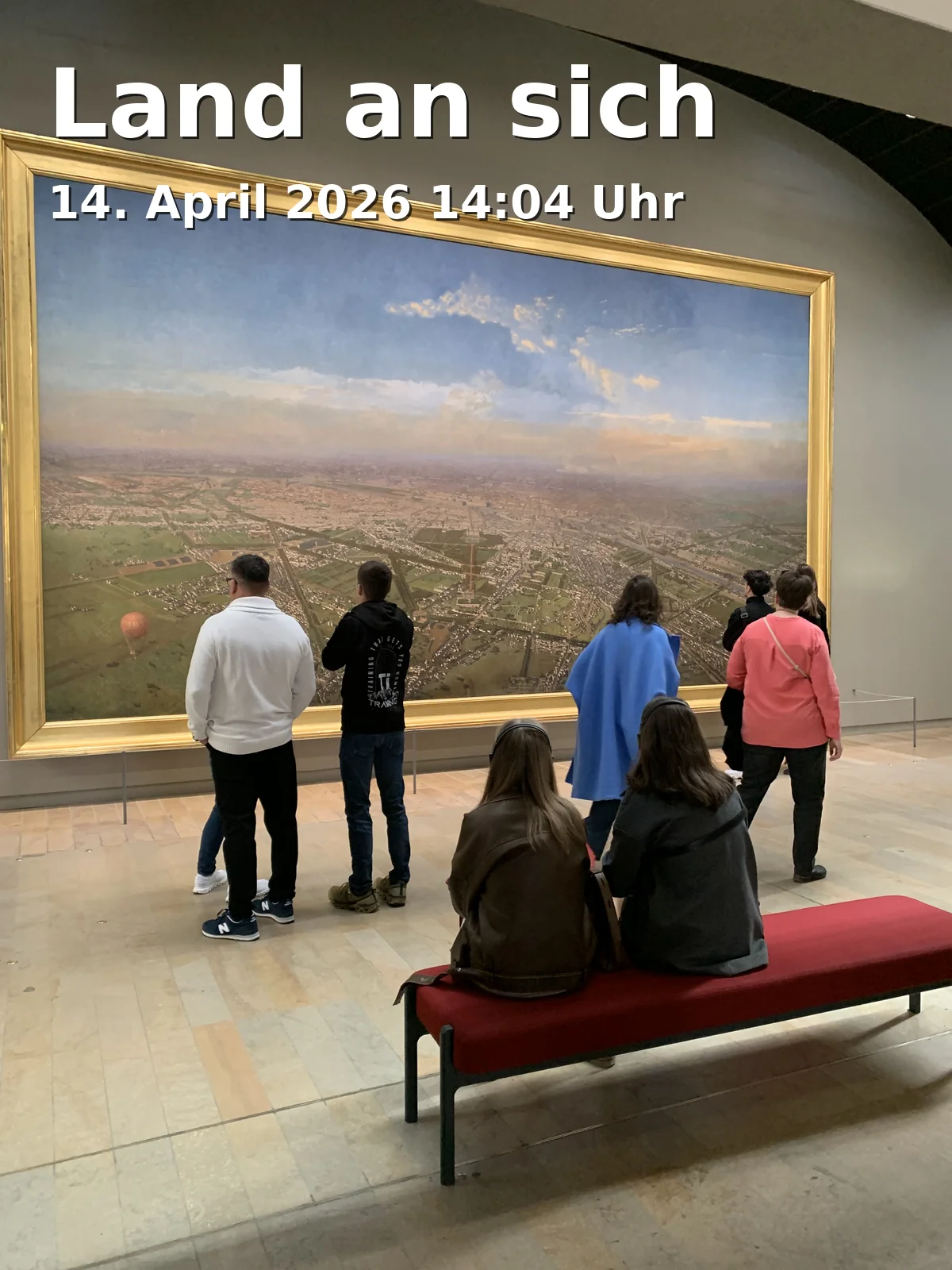
Land Itself
Art, landscape, and politics meet in Potsdam: Land Itself presents Brandenburg in a new and surprising way. Experience for free, come by now. #Potsdam #Art
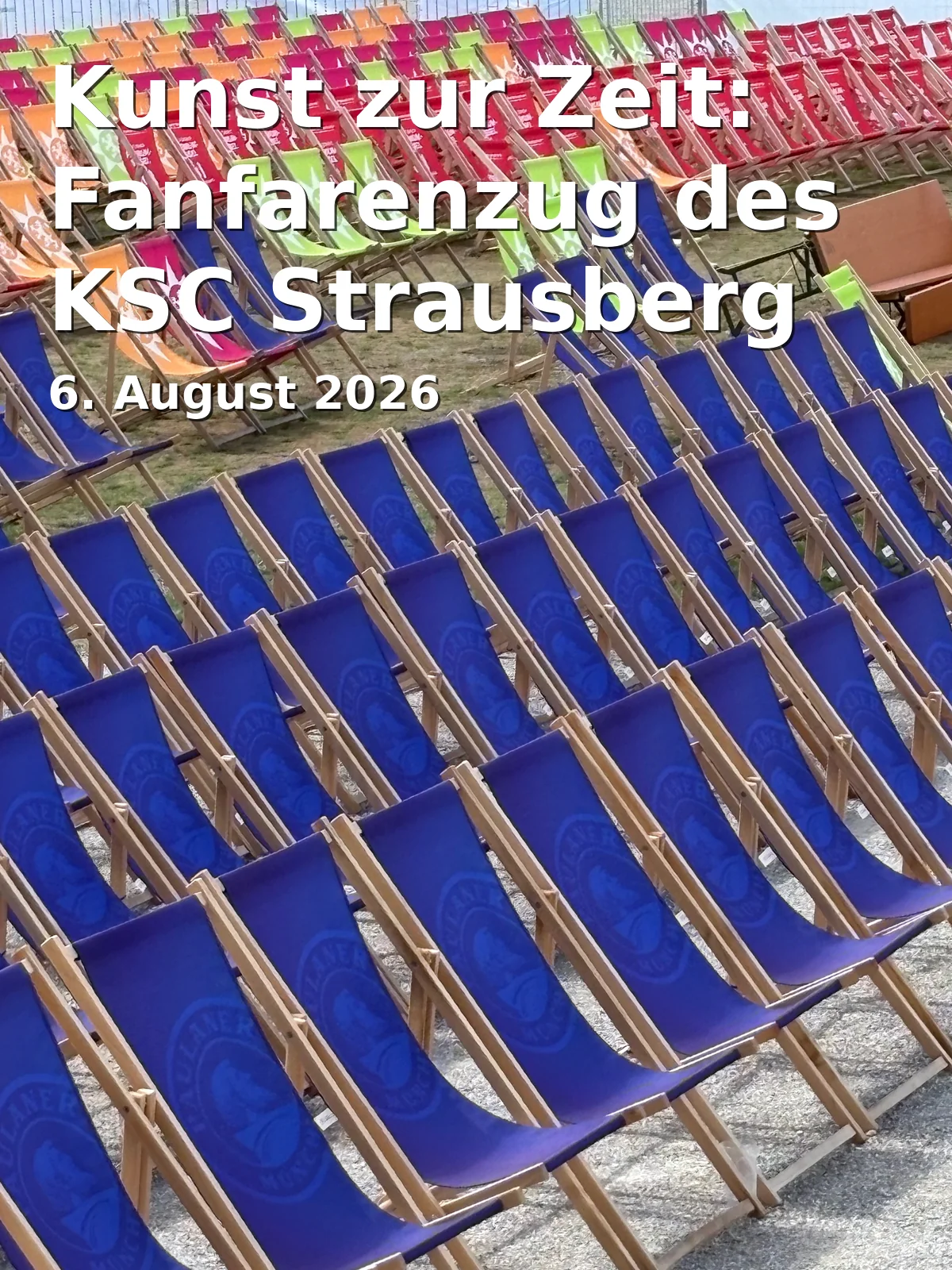
Art of the Moment: Fanfare Corps of KSC Strausberg e. V.
Experience the Fanfare Corps of KSC Strausberg e. V. live in the courtyard of the Brandenburg State Parliament. An exciting open-air event awaits you!
Frequently Asked Questions
Reviews
Former Representative of TH Wildau
16. September 2025
I’m sharing my experience with this Brandenburg political hub: As a non-German EU resident, I have been a victim of institutional retaliation for reporting misconduct and EU law breaches by a German public university (TH Wildau). I formally submitted a petition to the Brandenburg Parliament's Petitions Committee, outlining how TH Wildau's actions, including failed SLAPP litigation and hiding legal spending, are clear violations of EU law. The response I received from the committee was disheartening. Instead of addressing the substance of my complaint about state-linked institutional retaliation, they sent a generic email stating that my petition was not submitted via the correct method and must be resubmitted through their online form, mail, or fax. This highlights a serious issue: it seems German oversight politicians are not paying attention to these blatant EU law breaches. The committee’s focus on administrative procedure rather than the grave implications of a state-funded institution engaging in SLAPP lawsuits and retaliating against a whistleblower suggests a profound lack of interest or awareness. It feels as though the system is designed to create bureaucratic hurdles to exhaust and silence those who seek accountability. This is not just a procedural matter; it is a failure of governance to uphold the principles of transparency and rule of law within the heart of Europe. It is concerning to see Germany in practice is the complete opposite which they promote to the world “efficiency, accountable, responsible etc..”
dagny pogorzalek
19. January 2026
I visited the Brandenburg Parliament for the opening of the exhibition "Women in Resistance Against National Socialism." An informative and interesting exhibition. Even though there are "only" a few stands with photos and text set up – the theme is already very moving – it is incredibly touching to read about these women and their stories. I would recommend this exhibition to anyone, which can be visited for free in the foyer of the parliament until March 5, 2026.
Hubert Kucher
26. July 2024
The Brandenburg Parliament is located in Potsdam about 400m from the main train station. The reconstruction of the Potsdam City Palace is very impressive. The inscription "Ceci n’est pas un château" is true, as the parliament is housed in the palace. The entrance at the Old Market leads into the huge courtyard. Straight ahead, you can access the entrance during the week. The cafeteria on the 4th floor is highly recommended. Just tell the doorman you want to go to the cafeteria. Then take the stairs or elevator up to the 4th floor. Pay attention to the times when the cafeteria is open to everyone. Tuesday to Thursday from 1:00 PM to 2:00 PM and Monday and Friday already from 11:00 AM. Then the food service ends, but you can of course stay longer. There are several menus to choose from, always including a vegan dish. The cafeteria offers a dining hall and a large terrace to sit. From there, you have a view of the courtyard, St. Nicholas Church with its beautiful dome, and far over the city. The prices for a lunch with a drink are around 10€. Cheap and very tasty with a special view. It doesn’t get much better.
FreezFrog
24. October 2023
Even though the parliament in Potsdam has only been around for ten years, the building is not constructed in a modern style, but is modeled after a historic castle. The only historical aspect, according to reports, is a chestnut tree. Especially due to the historical touch, this parliament deserves the rating of four stars! You have to decide for yourself.
Sophia J.
3. January 2024
What a wonder: no bag and personal checks at all! Very interesting, the cafeteria is public and subsidized🥴, next to the cafeteria is a very nice viewing terrace.