
Potsdam
Am Bassin 7, 14467 Potsdam, Deutschland
St. Peter and Paul Church Potsdam | Services & Photos
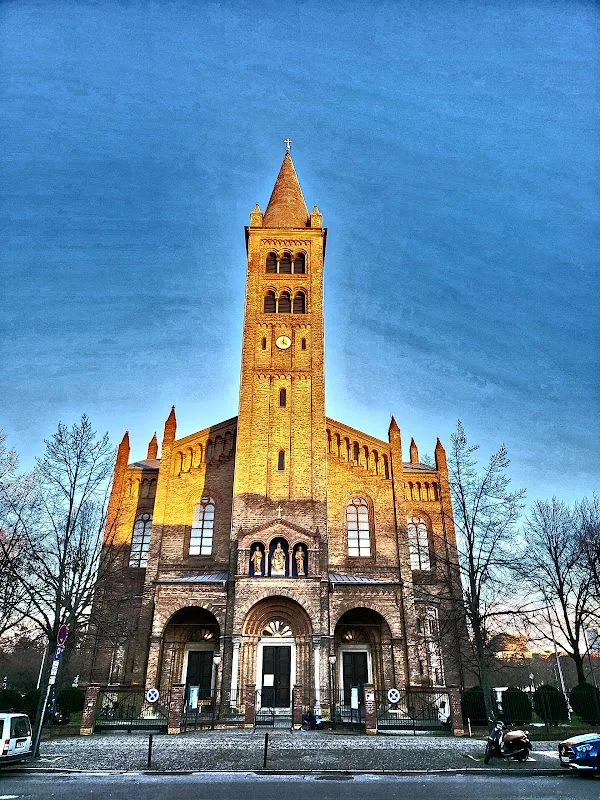
The St. Peter and Paul Church in Potsdam is much more than a religious site: it is a defining landmark of the city center, a significant neo-Romanesque sacred building, and for many visitors, a focal point between Brandenburger Straße, Bassinplatz, and the Dutch Quarter. Those looking for photos, reviews, service times, or practical travel tips will find here an address that combines historical significance, strong architecture, and vibrant use. The existing 4.5-star rating from 642 reviews fits this impression: the building is perceived as impressive, central, and atmospheric, while its official classification as the first Catholic church in Potsdam and the most significant neo-Romanesque sacred building in the city underscores its cultural-historical importance. The location at Bassinplatz makes the church a building that is not only visited but experienced within the urban space: between markets, squares, pathways, and the distinctive silhouette of the tower. The interplay of brick, height, history, and art ensures that St. Peter and Paul remains an important attraction for believers as well as culture enthusiasts and city walkers. ([allerheiligen.de](https://www.allerheiligen.de/potsdam/orte-kirchlichen-lebens/kirche-st-peter-und-paul))
Photos and First Impressions: Why the Propsteikirche is So Photogenic
Those searching for photos of St. Peter and Paul Church in Potsdam quickly find the reason for its great visual impact: the building dominates the view at the eastern end of Brandenburger Straße and sets a very clear architectural statement with its yellow brick and almost 60-meter-high Italian bell tower. This combination makes the church a popular motif for city walks, architectural shots, and classic souvenir photos. The building is not hidden in a side room but is part of an open urban space, where the church, Bassinplatz, and the adjacent paths frame each other. Especially the transition from the densely built city center to the open square creates perspectives that allow the building to appear from different distances. Up close, materiality and details come to the fore, while from a distance, the vertical effect of the tower and the Italian-inspired silhouette stand out. The surroundings also enhance the impression: the Dutch Quarter and the historic center of Potsdam provide an urban context that embeds the church in a highly photogenic ensemble. Those planning exterior shots benefit from the church's location in a heavily frequented but clearly readable spot in the center. The first impression is therefore rarely neutral: the Propsteikirche appears both monumental and inviting, historical and lively, sacred and urban. It is logical that many search queries specifically target photos, reviews, and spontaneous impressions, as the building provides exactly that mix of recognition and surprise that characterizes a good landmark. ([potsdam.de](https://www.potsdam.de/de/content/church-st-peter-and-paul))
Even inside, the impression remains strong, as the church conveys its significance not only through its exterior but also through its furnishings. The three paintings by Antoine Pesne, the valuable silverwork, and the crucifixion group make the space a place where art and devotion are closely intertwined. For photos in a metaphorical sense, this means: not only the facade provides impressive images, but also the church space itself. The perspectives in the nave, the sightline to the altar, and the presence of the tower in the urban landscape create a visual overall picture that remains in memory. Therefore, those visiting the church experience not just a mere photo stop, but a place where architecture, art, and religious use enhance each other. ([allerheiligen.de](https://www.allerheiligen.de/potsdam/orte-kirchlichen-lebens/kirche-st-peter-und-paul))
History of St. Peter and Paul Church in Potsdam
The history of St. Peter and Paul Church is closely linked to the development of Catholic life in Potsdam. After a Catholic community was re-established by Frederick William I in 1722, a modest half-timbered church was initially built on the grounds of the then-armory. The current church is therefore not simply a single structure but the result of a long development of Catholic presence in a city that was strongly shaped by the Protestant Prussian environment for decades. The current building was then constructed starting in 1867 and was consecrated in 1870. In urban and tourist sources, it is described as the first Catholic church building in Potsdam and the most significant neo-Romanesque sacred building in the city. The community itself has an even longer tradition and celebrated its 300th anniversary in 2022. This historical depth makes the church a place where city history, religious history, and Prussian building policy intersect directly. The location at Bassinplatz is not coincidental: the former swamp area was drained in the 18th century and later redesigned several times before the church took on its current defining role on the site. The neighborhood is also historically charged, as the Soviet War Cemetery lies behind the building, while the Dutch houses across the street recall the urban development of the quarter. The church is thus not isolated but situated in the midst of an urban memory space that visibly juxtaposes different epochs. This is precisely where its special effect arises: those visiting St. Peter and Paul move through several centuries of Potsdam history within a single city quarter. ([allerheiligen.de](https://www.allerheiligen.de/potsdam/orte-kirchlichen-lebens/kirche-st-peter-und-paul))
Architecturally, the history of its creation is as exciting as it is religious. The design is attributed to August Stüler and Wilhelm Salzenberg; the model was an Italian church, specifically the San Zeno Church in Verona. This explains the strong Italian character of the tower and the clear Romanesque-Byzantine language of forms. The building was constructed during a phase when Potsdam was at the center of its historical urban development, and it was intended to serve not only the community but also Catholic soldiers. Thus, a structure with dual function emerged, which was important both liturgically and urbanistically. This connection of faith, representation, and memory is still palpable today. The restoration and usage history also shows that the church has never been merely a monument but has always remained a space actively used by the community. Especially in conjunction with Bassinplatz and the surrounding quarters, it becomes clear why the church is perceived in Potsdam not as a peripheral object but as the center of an entire urban space. ([potsdam.de](https://www.potsdam.de/de/content/church-st-peter-and-paul))
Services, Opening Hours, and Church Life
Those looking for services at St. Peter and Paul Church will find a lively parish and propstei community with fixed times and regular use. According to the Archdiocese of Berlin, services are held on Saturdays at 6:00 PM and on Sundays at 8:00 AM, 10:00 AM, and 6:00 PM; on the second Sunday of the month, the evening service at 6:00 PM is celebrated in English. These times are particularly important for visitors who wish to combine their stay in Potsdam with a church visit, as the church is not only visited but is actually used. Additionally, the community informs that church openings are organized by volunteers and usually take place from Wednesday to Sunday. It applies that during service times and concerts, the church is also open, allowing religious practice and tourist access to overlap. This is a strong sign of a lively church in the center of the city. Those interested in liturgy will therefore find not only a monument here but a place with regular spiritual life. The connection to the Archdiocese of Berlin is also clearly recognizable, as is its function as part of church life in the Potsdam region. For those searching for services, opening hours, or church offerings, it is particularly helpful that the community openly communicates when visits are possible and how public times overlap with community life. This creates planning certainty for travelers, locals, and people who are only briefly in the city. Especially in conjunction with high visitor numbers and cultural-historical significance, it becomes evident: the church is not a silent backdrop but an active site of Catholic presence in Potsdam. ([erzbistumberlin.de](https://www.erzbistumberlin.de/wir-sind/heiliges-jahr/stempelorte/detail/a/st-peter-und-paul-potsdam-1/?utm_source=openai))
Church life is by no means limited to Sundays. The community also offers confession opportunities and other pastoral services, emphasizing the character of a true pastoral center. This is important for guests because it creates a visit experience that goes beyond mere observation. One comes not only for the architecture but encounters a lively parish where worship, proclamation of faith, and service to people are explicitly named as main tasks. This self-disclosure fits well with the impression gained on-site: St. Peter and Paul is simultaneously a community house in the broader sense, a spiritual place, and a cultural monument. The combination of regular services, open church hours, and freely accessible tours makes the use so low-threshold yet substantial. Therefore, those searching for a quiet, inspiring place in Potsdam will find here the right balance of accessibility and dignity. ([allerheiligen.de](https://www.allerheiligen.de/potsdam/orte-kirchlichen-lebens/kirche-st-peter-und-paul))
Directions and Parking at Bassinplatz
The approach to St. Peter and Paul Church is very well planned for visitors, as the location is in the heart of Potsdam's city center. Bassinplatz is located in the historic city center on both sides of the church and directly next to the Dutch Quarter. According to the city of Potsdam, public transport by tram and bus is reachable in about three minutes, making the church easily accessible even without a car. Those arriving by car can use several nearby parking garages: Hebbelstraße, Wilhelm Galerie at Platz der Einheit, and Stadtpalais/Hegelallee are explicitly mentioned, each just a few minutes away. Additionally, there is a parking area at Bassinplatz, which is partially reserved for tourist buses and taxis. This is particularly convenient for group travel, as the location is also well-suited for bus tourism. At the same time, it should be noted that the market side of the square is occupied by the weekly market from Monday to Saturday, and the forecourt of the church requires consideration during events and services. This multiple use makes the place lively but requires a bit of planning. The good news is: those who adhere to the official areas and notices usually find very usable solutions in the immediate vicinity. For inquiries about directions and parking, it is therefore important to understand Bassinplatz not as a mere backdrop but as a functional urban space where market, bus traffic, pedestrian flows, and church use come together. This also explains why the church is so present during city walks: it is not on the edge but at a junction of the city center. ([potsdam.de](https://www.potsdam.de/de/bassinplatz-als-veranstaltungsort))
The urban location also brings another advantage: the church is well integrated into a historical environment that can be excellently explored on foot. Around Bassinplatz, the Dutch Quarter, Brandenburger Straße, and the historic city center can be easily connected. For visitors, this means that a church visit often becomes part of a larger tour and does not remain isolated. Therefore, those searching for the best combination of attraction, short access, and sensible parking options have a very comfortable starting point here. The official information about the parking garages and public transport is therefore not just practical side notes but an essential part of visit planning. Especially during events, tours, or weekly market times, it is advisable to plan the arrival a bit earlier, as the square is heavily used. This keeps the visit relaxed, and the special atmosphere of the place can have a better effect. ([potsdam.de](https://www.potsdam.de/de/bassinplatz-als-veranstaltungsort))
Architecture, Artworks, and Organ: What Impresses Inside
The architecture of St. Peter and Paul in Potsdam is one of the main reasons for its fame. The building was constructed between 1867 and 1870 and combines Byzantine with Romanesque stylistic elements. The most striking part is the Italian bell tower, which is almost 60 meters high and gives the building a distinctive silhouette. In urban representation, the church is described as a yellow brick building that rises above the urban space at the eastern end of Brandenburger Straße. This mixture of materiality, vertical effect, and historical language of forms makes the building a key work of neo-Romanesque sacred architecture in Potsdam. That the church is considered the first Catholic church building in the city further increases its significance. The shaping deliberately refers to Italian models, which is noticeable not only in the tower but in the entire exterior appearance. The architecture is thus not chosen randomly but expresses a clear cultural-historical idea. Those observing the church from the outside quickly recognize that it does not rely on minimalism but on presence, dignity, and recognition. This is precisely why it works so well as a photographic motif and landmark. In the urban context between square, market, and city center, it forms a calm yet powerful counterpoint. For visitors who pay attention to architecture, the effect in the interplay of facade, tower, and square space is particularly worthwhile. The church tells not only of religion but also of Prussian building history and the search for a convincing Catholic representation in the heart of Potsdam. ([potsdam.de](https://www.potsdam.de/de/propsteikirche-st-peter-und-paul?utm_source=openai))
Inside, this quality continues. There are three paintings by Antoine Pesne, including the high altar painting of the Agony in the Garden, as well as the two side altar paintings depicting the Rosary Delivery and the Guardian Angel. These works come from the art tradition of Potsdam Rococo and are considered particularly valuable. In addition, there are silverwork and a crucifixion group by Peter Benckert, which further enrich the space art historically. Another highlight is the organ from the Schuke company with 41 registers from 1936. It shows that the church is not only a historical monument but also a place of musical practice. The combination of visual art, liturgical furnishings, and music creates an interior that goes far beyond the mere function of a church building. Therefore, those searching for strong furnishings, special organs, or the most important artworks will find plenty of material here. The church is thus not only architecturally interesting but also remarkable as a complete work of space, image, and sound. In many cases, this is precisely why people keep returning: the building does not exhaust itself at first glance but unfolds new details with each visit. ([allerheiligen.de](https://www.allerheiligen.de/potsdam/orte-kirchlichen-lebens/kirche-st-peter-und-paul))
Church Tours, Visitor Information, and the Best Time to Visit
For all those who want to see St. Peter and Paul Church not just from the outside but truly understand it, the regular church tours are particularly valuable. According to the community, they take place from March to November on the last Saturday of each month from 12:00 to 1:00 PM. Admission is free, no registration is required, and the meeting point is directly in front of the main entrance at the Bassin. This low threshold of access is ideal for spontaneous city visits, as it allows guests without fixed planning to gain an expert insight into the history, art, and spirituality of the place. The tours are also a good example of how the church actively conveys its historical significance and does not merely manage it passively. Visitors learn there why the building is so important for Potsdam, which artworks stand out particularly inside, and how the church tradition has developed over centuries. Additionally, volunteer church guardians open the church from Wednesday to Sunday, considering service and concert times as well. Those seeking the quietest moment should come either outside of mass times or to a tour. Those who wish to experience liturgical life should deliberately choose a service time. Both paths are meaningful because the church thrives on this dual function: it is both a monument and a meeting place. For photography, quiet visits, and in-depth content, the time between tours and services is often particularly pleasant. And those who want to experience the church in the larger urban context should best combine the visit with a walk around Bassinplatz, through Brandenburger Straße, and into the Dutch Quarter. This way, a single church visit becomes a small tour through the history of Potsdam. ([allerheiligen.de](https://www.allerheiligen.de/potsdam/orte-kirchlichen-lebens/kirche-st-peter-und-paul))
Even in everyday tourism, the church is well integrated. The city of Potsdam and the tourism information list it as a fixed attraction with a clear address and good accessibility, and the community simultaneously emphasizes its belonging to the Archdiocese of Berlin. For visitors, this is helpful because it allows cultural and practical questions to be quickly clarified: Where is the church located? When is it open? When is the service? Are there tours? How do I get there? And where can I park? The place provides very reliable answers to these questions. Therefore, those seeking an attraction with substance that not only shines in the photo album but also carries content are in the right place. St. Peter and Paul is a place where Potsdam's religious history, urban development, and art history come together in a small space. This makes the visit particularly valuable and explains why the church frequently appears in search queries for photos, reviews, services, parking, and tours. ([potsdam.de](https://www.potsdam.de/de/content/church-st-peter-and-paul))
Sources:
Mehr anzeigenWeniger anzeigen
St. Peter and Paul Church Potsdam | Services & Photos
The St. Peter and Paul Church in Potsdam is much more than a religious site: it is a defining landmark of the city center, a significant neo-Romanesque sacred building, and for many visitors, a focal point between Brandenburger Straße, Bassinplatz, and the Dutch Quarter. Those looking for photos, reviews, service times, or practical travel tips will find here an address that combines historical significance, strong architecture, and vibrant use. The existing 4.5-star rating from 642 reviews fits this impression: the building is perceived as impressive, central, and atmospheric, while its official classification as the first Catholic church in Potsdam and the most significant neo-Romanesque sacred building in the city underscores its cultural-historical importance. The location at Bassinplatz makes the church a building that is not only visited but experienced within the urban space: between markets, squares, pathways, and the distinctive silhouette of the tower. The interplay of brick, height, history, and art ensures that St. Peter and Paul remains an important attraction for believers as well as culture enthusiasts and city walkers. ([allerheiligen.de](https://www.allerheiligen.de/potsdam/orte-kirchlichen-lebens/kirche-st-peter-und-paul))
Photos and First Impressions: Why the Propsteikirche is So Photogenic
Those searching for photos of St. Peter and Paul Church in Potsdam quickly find the reason for its great visual impact: the building dominates the view at the eastern end of Brandenburger Straße and sets a very clear architectural statement with its yellow brick and almost 60-meter-high Italian bell tower. This combination makes the church a popular motif for city walks, architectural shots, and classic souvenir photos. The building is not hidden in a side room but is part of an open urban space, where the church, Bassinplatz, and the adjacent paths frame each other. Especially the transition from the densely built city center to the open square creates perspectives that allow the building to appear from different distances. Up close, materiality and details come to the fore, while from a distance, the vertical effect of the tower and the Italian-inspired silhouette stand out. The surroundings also enhance the impression: the Dutch Quarter and the historic center of Potsdam provide an urban context that embeds the church in a highly photogenic ensemble. Those planning exterior shots benefit from the church's location in a heavily frequented but clearly readable spot in the center. The first impression is therefore rarely neutral: the Propsteikirche appears both monumental and inviting, historical and lively, sacred and urban. It is logical that many search queries specifically target photos, reviews, and spontaneous impressions, as the building provides exactly that mix of recognition and surprise that characterizes a good landmark. ([potsdam.de](https://www.potsdam.de/de/content/church-st-peter-and-paul))
Even inside, the impression remains strong, as the church conveys its significance not only through its exterior but also through its furnishings. The three paintings by Antoine Pesne, the valuable silverwork, and the crucifixion group make the space a place where art and devotion are closely intertwined. For photos in a metaphorical sense, this means: not only the facade provides impressive images, but also the church space itself. The perspectives in the nave, the sightline to the altar, and the presence of the tower in the urban landscape create a visual overall picture that remains in memory. Therefore, those visiting the church experience not just a mere photo stop, but a place where architecture, art, and religious use enhance each other. ([allerheiligen.de](https://www.allerheiligen.de/potsdam/orte-kirchlichen-lebens/kirche-st-peter-und-paul))
History of St. Peter and Paul Church in Potsdam
The history of St. Peter and Paul Church is closely linked to the development of Catholic life in Potsdam. After a Catholic community was re-established by Frederick William I in 1722, a modest half-timbered church was initially built on the grounds of the then-armory. The current church is therefore not simply a single structure but the result of a long development of Catholic presence in a city that was strongly shaped by the Protestant Prussian environment for decades. The current building was then constructed starting in 1867 and was consecrated in 1870. In urban and tourist sources, it is described as the first Catholic church building in Potsdam and the most significant neo-Romanesque sacred building in the city. The community itself has an even longer tradition and celebrated its 300th anniversary in 2022. This historical depth makes the church a place where city history, religious history, and Prussian building policy intersect directly. The location at Bassinplatz is not coincidental: the former swamp area was drained in the 18th century and later redesigned several times before the church took on its current defining role on the site. The neighborhood is also historically charged, as the Soviet War Cemetery lies behind the building, while the Dutch houses across the street recall the urban development of the quarter. The church is thus not isolated but situated in the midst of an urban memory space that visibly juxtaposes different epochs. This is precisely where its special effect arises: those visiting St. Peter and Paul move through several centuries of Potsdam history within a single city quarter. ([allerheiligen.de](https://www.allerheiligen.de/potsdam/orte-kirchlichen-lebens/kirche-st-peter-und-paul))
Architecturally, the history of its creation is as exciting as it is religious. The design is attributed to August Stüler and Wilhelm Salzenberg; the model was an Italian church, specifically the San Zeno Church in Verona. This explains the strong Italian character of the tower and the clear Romanesque-Byzantine language of forms. The building was constructed during a phase when Potsdam was at the center of its historical urban development, and it was intended to serve not only the community but also Catholic soldiers. Thus, a structure with dual function emerged, which was important both liturgically and urbanistically. This connection of faith, representation, and memory is still palpable today. The restoration and usage history also shows that the church has never been merely a monument but has always remained a space actively used by the community. Especially in conjunction with Bassinplatz and the surrounding quarters, it becomes clear why the church is perceived in Potsdam not as a peripheral object but as the center of an entire urban space. ([potsdam.de](https://www.potsdam.de/de/content/church-st-peter-and-paul))
Services, Opening Hours, and Church Life
Those looking for services at St. Peter and Paul Church will find a lively parish and propstei community with fixed times and regular use. According to the Archdiocese of Berlin, services are held on Saturdays at 6:00 PM and on Sundays at 8:00 AM, 10:00 AM, and 6:00 PM; on the second Sunday of the month, the evening service at 6:00 PM is celebrated in English. These times are particularly important for visitors who wish to combine their stay in Potsdam with a church visit, as the church is not only visited but is actually used. Additionally, the community informs that church openings are organized by volunteers and usually take place from Wednesday to Sunday. It applies that during service times and concerts, the church is also open, allowing religious practice and tourist access to overlap. This is a strong sign of a lively church in the center of the city. Those interested in liturgy will therefore find not only a monument here but a place with regular spiritual life. The connection to the Archdiocese of Berlin is also clearly recognizable, as is its function as part of church life in the Potsdam region. For those searching for services, opening hours, or church offerings, it is particularly helpful that the community openly communicates when visits are possible and how public times overlap with community life. This creates planning certainty for travelers, locals, and people who are only briefly in the city. Especially in conjunction with high visitor numbers and cultural-historical significance, it becomes evident: the church is not a silent backdrop but an active site of Catholic presence in Potsdam. ([erzbistumberlin.de](https://www.erzbistumberlin.de/wir-sind/heiliges-jahr/stempelorte/detail/a/st-peter-und-paul-potsdam-1/?utm_source=openai))
Church life is by no means limited to Sundays. The community also offers confession opportunities and other pastoral services, emphasizing the character of a true pastoral center. This is important for guests because it creates a visit experience that goes beyond mere observation. One comes not only for the architecture but encounters a lively parish where worship, proclamation of faith, and service to people are explicitly named as main tasks. This self-disclosure fits well with the impression gained on-site: St. Peter and Paul is simultaneously a community house in the broader sense, a spiritual place, and a cultural monument. The combination of regular services, open church hours, and freely accessible tours makes the use so low-threshold yet substantial. Therefore, those searching for a quiet, inspiring place in Potsdam will find here the right balance of accessibility and dignity. ([allerheiligen.de](https://www.allerheiligen.de/potsdam/orte-kirchlichen-lebens/kirche-st-peter-und-paul))
Directions and Parking at Bassinplatz
The approach to St. Peter and Paul Church is very well planned for visitors, as the location is in the heart of Potsdam's city center. Bassinplatz is located in the historic city center on both sides of the church and directly next to the Dutch Quarter. According to the city of Potsdam, public transport by tram and bus is reachable in about three minutes, making the church easily accessible even without a car. Those arriving by car can use several nearby parking garages: Hebbelstraße, Wilhelm Galerie at Platz der Einheit, and Stadtpalais/Hegelallee are explicitly mentioned, each just a few minutes away. Additionally, there is a parking area at Bassinplatz, which is partially reserved for tourist buses and taxis. This is particularly convenient for group travel, as the location is also well-suited for bus tourism. At the same time, it should be noted that the market side of the square is occupied by the weekly market from Monday to Saturday, and the forecourt of the church requires consideration during events and services. This multiple use makes the place lively but requires a bit of planning. The good news is: those who adhere to the official areas and notices usually find very usable solutions in the immediate vicinity. For inquiries about directions and parking, it is therefore important to understand Bassinplatz not as a mere backdrop but as a functional urban space where market, bus traffic, pedestrian flows, and church use come together. This also explains why the church is so present during city walks: it is not on the edge but at a junction of the city center. ([potsdam.de](https://www.potsdam.de/de/bassinplatz-als-veranstaltungsort))
The urban location also brings another advantage: the church is well integrated into a historical environment that can be excellently explored on foot. Around Bassinplatz, the Dutch Quarter, Brandenburger Straße, and the historic city center can be easily connected. For visitors, this means that a church visit often becomes part of a larger tour and does not remain isolated. Therefore, those searching for the best combination of attraction, short access, and sensible parking options have a very comfortable starting point here. The official information about the parking garages and public transport is therefore not just practical side notes but an essential part of visit planning. Especially during events, tours, or weekly market times, it is advisable to plan the arrival a bit earlier, as the square is heavily used. This keeps the visit relaxed, and the special atmosphere of the place can have a better effect. ([potsdam.de](https://www.potsdam.de/de/bassinplatz-als-veranstaltungsort))
Architecture, Artworks, and Organ: What Impresses Inside
The architecture of St. Peter and Paul in Potsdam is one of the main reasons for its fame. The building was constructed between 1867 and 1870 and combines Byzantine with Romanesque stylistic elements. The most striking part is the Italian bell tower, which is almost 60 meters high and gives the building a distinctive silhouette. In urban representation, the church is described as a yellow brick building that rises above the urban space at the eastern end of Brandenburger Straße. This mixture of materiality, vertical effect, and historical language of forms makes the building a key work of neo-Romanesque sacred architecture in Potsdam. That the church is considered the first Catholic church building in the city further increases its significance. The shaping deliberately refers to Italian models, which is noticeable not only in the tower but in the entire exterior appearance. The architecture is thus not chosen randomly but expresses a clear cultural-historical idea. Those observing the church from the outside quickly recognize that it does not rely on minimalism but on presence, dignity, and recognition. This is precisely why it works so well as a photographic motif and landmark. In the urban context between square, market, and city center, it forms a calm yet powerful counterpoint. For visitors who pay attention to architecture, the effect in the interplay of facade, tower, and square space is particularly worthwhile. The church tells not only of religion but also of Prussian building history and the search for a convincing Catholic representation in the heart of Potsdam. ([potsdam.de](https://www.potsdam.de/de/propsteikirche-st-peter-und-paul?utm_source=openai))
Inside, this quality continues. There are three paintings by Antoine Pesne, including the high altar painting of the Agony in the Garden, as well as the two side altar paintings depicting the Rosary Delivery and the Guardian Angel. These works come from the art tradition of Potsdam Rococo and are considered particularly valuable. In addition, there are silverwork and a crucifixion group by Peter Benckert, which further enrich the space art historically. Another highlight is the organ from the Schuke company with 41 registers from 1936. It shows that the church is not only a historical monument but also a place of musical practice. The combination of visual art, liturgical furnishings, and music creates an interior that goes far beyond the mere function of a church building. Therefore, those searching for strong furnishings, special organs, or the most important artworks will find plenty of material here. The church is thus not only architecturally interesting but also remarkable as a complete work of space, image, and sound. In many cases, this is precisely why people keep returning: the building does not exhaust itself at first glance but unfolds new details with each visit. ([allerheiligen.de](https://www.allerheiligen.de/potsdam/orte-kirchlichen-lebens/kirche-st-peter-und-paul))
Church Tours, Visitor Information, and the Best Time to Visit
For all those who want to see St. Peter and Paul Church not just from the outside but truly understand it, the regular church tours are particularly valuable. According to the community, they take place from March to November on the last Saturday of each month from 12:00 to 1:00 PM. Admission is free, no registration is required, and the meeting point is directly in front of the main entrance at the Bassin. This low threshold of access is ideal for spontaneous city visits, as it allows guests without fixed planning to gain an expert insight into the history, art, and spirituality of the place. The tours are also a good example of how the church actively conveys its historical significance and does not merely manage it passively. Visitors learn there why the building is so important for Potsdam, which artworks stand out particularly inside, and how the church tradition has developed over centuries. Additionally, volunteer church guardians open the church from Wednesday to Sunday, considering service and concert times as well. Those seeking the quietest moment should come either outside of mass times or to a tour. Those who wish to experience liturgical life should deliberately choose a service time. Both paths are meaningful because the church thrives on this dual function: it is both a monument and a meeting place. For photography, quiet visits, and in-depth content, the time between tours and services is often particularly pleasant. And those who want to experience the church in the larger urban context should best combine the visit with a walk around Bassinplatz, through Brandenburger Straße, and into the Dutch Quarter. This way, a single church visit becomes a small tour through the history of Potsdam. ([allerheiligen.de](https://www.allerheiligen.de/potsdam/orte-kirchlichen-lebens/kirche-st-peter-und-paul))
Even in everyday tourism, the church is well integrated. The city of Potsdam and the tourism information list it as a fixed attraction with a clear address and good accessibility, and the community simultaneously emphasizes its belonging to the Archdiocese of Berlin. For visitors, this is helpful because it allows cultural and practical questions to be quickly clarified: Where is the church located? When is it open? When is the service? Are there tours? How do I get there? And where can I park? The place provides very reliable answers to these questions. Therefore, those seeking an attraction with substance that not only shines in the photo album but also carries content are in the right place. St. Peter and Paul is a place where Potsdam's religious history, urban development, and art history come together in a small space. This makes the visit particularly valuable and explains why the church frequently appears in search queries for photos, reviews, services, parking, and tours. ([potsdam.de](https://www.potsdam.de/de/content/church-st-peter-and-paul))
Sources:
St. Peter and Paul Church Potsdam | Services & Photos
The St. Peter and Paul Church in Potsdam is much more than a religious site: it is a defining landmark of the city center, a significant neo-Romanesque sacred building, and for many visitors, a focal point between Brandenburger Straße, Bassinplatz, and the Dutch Quarter. Those looking for photos, reviews, service times, or practical travel tips will find here an address that combines historical significance, strong architecture, and vibrant use. The existing 4.5-star rating from 642 reviews fits this impression: the building is perceived as impressive, central, and atmospheric, while its official classification as the first Catholic church in Potsdam and the most significant neo-Romanesque sacred building in the city underscores its cultural-historical importance. The location at Bassinplatz makes the church a building that is not only visited but experienced within the urban space: between markets, squares, pathways, and the distinctive silhouette of the tower. The interplay of brick, height, history, and art ensures that St. Peter and Paul remains an important attraction for believers as well as culture enthusiasts and city walkers. ([allerheiligen.de](https://www.allerheiligen.de/potsdam/orte-kirchlichen-lebens/kirche-st-peter-und-paul))
Photos and First Impressions: Why the Propsteikirche is So Photogenic
Those searching for photos of St. Peter and Paul Church in Potsdam quickly find the reason for its great visual impact: the building dominates the view at the eastern end of Brandenburger Straße and sets a very clear architectural statement with its yellow brick and almost 60-meter-high Italian bell tower. This combination makes the church a popular motif for city walks, architectural shots, and classic souvenir photos. The building is not hidden in a side room but is part of an open urban space, where the church, Bassinplatz, and the adjacent paths frame each other. Especially the transition from the densely built city center to the open square creates perspectives that allow the building to appear from different distances. Up close, materiality and details come to the fore, while from a distance, the vertical effect of the tower and the Italian-inspired silhouette stand out. The surroundings also enhance the impression: the Dutch Quarter and the historic center of Potsdam provide an urban context that embeds the church in a highly photogenic ensemble. Those planning exterior shots benefit from the church's location in a heavily frequented but clearly readable spot in the center. The first impression is therefore rarely neutral: the Propsteikirche appears both monumental and inviting, historical and lively, sacred and urban. It is logical that many search queries specifically target photos, reviews, and spontaneous impressions, as the building provides exactly that mix of recognition and surprise that characterizes a good landmark. ([potsdam.de](https://www.potsdam.de/de/content/church-st-peter-and-paul))
Even inside, the impression remains strong, as the church conveys its significance not only through its exterior but also through its furnishings. The three paintings by Antoine Pesne, the valuable silverwork, and the crucifixion group make the space a place where art and devotion are closely intertwined. For photos in a metaphorical sense, this means: not only the facade provides impressive images, but also the church space itself. The perspectives in the nave, the sightline to the altar, and the presence of the tower in the urban landscape create a visual overall picture that remains in memory. Therefore, those visiting the church experience not just a mere photo stop, but a place where architecture, art, and religious use enhance each other. ([allerheiligen.de](https://www.allerheiligen.de/potsdam/orte-kirchlichen-lebens/kirche-st-peter-und-paul))
History of St. Peter and Paul Church in Potsdam
The history of St. Peter and Paul Church is closely linked to the development of Catholic life in Potsdam. After a Catholic community was re-established by Frederick William I in 1722, a modest half-timbered church was initially built on the grounds of the then-armory. The current church is therefore not simply a single structure but the result of a long development of Catholic presence in a city that was strongly shaped by the Protestant Prussian environment for decades. The current building was then constructed starting in 1867 and was consecrated in 1870. In urban and tourist sources, it is described as the first Catholic church building in Potsdam and the most significant neo-Romanesque sacred building in the city. The community itself has an even longer tradition and celebrated its 300th anniversary in 2022. This historical depth makes the church a place where city history, religious history, and Prussian building policy intersect directly. The location at Bassinplatz is not coincidental: the former swamp area was drained in the 18th century and later redesigned several times before the church took on its current defining role on the site. The neighborhood is also historically charged, as the Soviet War Cemetery lies behind the building, while the Dutch houses across the street recall the urban development of the quarter. The church is thus not isolated but situated in the midst of an urban memory space that visibly juxtaposes different epochs. This is precisely where its special effect arises: those visiting St. Peter and Paul move through several centuries of Potsdam history within a single city quarter. ([allerheiligen.de](https://www.allerheiligen.de/potsdam/orte-kirchlichen-lebens/kirche-st-peter-und-paul))
Architecturally, the history of its creation is as exciting as it is religious. The design is attributed to August Stüler and Wilhelm Salzenberg; the model was an Italian church, specifically the San Zeno Church in Verona. This explains the strong Italian character of the tower and the clear Romanesque-Byzantine language of forms. The building was constructed during a phase when Potsdam was at the center of its historical urban development, and it was intended to serve not only the community but also Catholic soldiers. Thus, a structure with dual function emerged, which was important both liturgically and urbanistically. This connection of faith, representation, and memory is still palpable today. The restoration and usage history also shows that the church has never been merely a monument but has always remained a space actively used by the community. Especially in conjunction with Bassinplatz and the surrounding quarters, it becomes clear why the church is perceived in Potsdam not as a peripheral object but as the center of an entire urban space. ([potsdam.de](https://www.potsdam.de/de/content/church-st-peter-and-paul))
Services, Opening Hours, and Church Life
Those looking for services at St. Peter and Paul Church will find a lively parish and propstei community with fixed times and regular use. According to the Archdiocese of Berlin, services are held on Saturdays at 6:00 PM and on Sundays at 8:00 AM, 10:00 AM, and 6:00 PM; on the second Sunday of the month, the evening service at 6:00 PM is celebrated in English. These times are particularly important for visitors who wish to combine their stay in Potsdam with a church visit, as the church is not only visited but is actually used. Additionally, the community informs that church openings are organized by volunteers and usually take place from Wednesday to Sunday. It applies that during service times and concerts, the church is also open, allowing religious practice and tourist access to overlap. This is a strong sign of a lively church in the center of the city. Those interested in liturgy will therefore find not only a monument here but a place with regular spiritual life. The connection to the Archdiocese of Berlin is also clearly recognizable, as is its function as part of church life in the Potsdam region. For those searching for services, opening hours, or church offerings, it is particularly helpful that the community openly communicates when visits are possible and how public times overlap with community life. This creates planning certainty for travelers, locals, and people who are only briefly in the city. Especially in conjunction with high visitor numbers and cultural-historical significance, it becomes evident: the church is not a silent backdrop but an active site of Catholic presence in Potsdam. ([erzbistumberlin.de](https://www.erzbistumberlin.de/wir-sind/heiliges-jahr/stempelorte/detail/a/st-peter-und-paul-potsdam-1/?utm_source=openai))
Church life is by no means limited to Sundays. The community also offers confession opportunities and other pastoral services, emphasizing the character of a true pastoral center. This is important for guests because it creates a visit experience that goes beyond mere observation. One comes not only for the architecture but encounters a lively parish where worship, proclamation of faith, and service to people are explicitly named as main tasks. This self-disclosure fits well with the impression gained on-site: St. Peter and Paul is simultaneously a community house in the broader sense, a spiritual place, and a cultural monument. The combination of regular services, open church hours, and freely accessible tours makes the use so low-threshold yet substantial. Therefore, those searching for a quiet, inspiring place in Potsdam will find here the right balance of accessibility and dignity. ([allerheiligen.de](https://www.allerheiligen.de/potsdam/orte-kirchlichen-lebens/kirche-st-peter-und-paul))
Directions and Parking at Bassinplatz
The approach to St. Peter and Paul Church is very well planned for visitors, as the location is in the heart of Potsdam's city center. Bassinplatz is located in the historic city center on both sides of the church and directly next to the Dutch Quarter. According to the city of Potsdam, public transport by tram and bus is reachable in about three minutes, making the church easily accessible even without a car. Those arriving by car can use several nearby parking garages: Hebbelstraße, Wilhelm Galerie at Platz der Einheit, and Stadtpalais/Hegelallee are explicitly mentioned, each just a few minutes away. Additionally, there is a parking area at Bassinplatz, which is partially reserved for tourist buses and taxis. This is particularly convenient for group travel, as the location is also well-suited for bus tourism. At the same time, it should be noted that the market side of the square is occupied by the weekly market from Monday to Saturday, and the forecourt of the church requires consideration during events and services. This multiple use makes the place lively but requires a bit of planning. The good news is: those who adhere to the official areas and notices usually find very usable solutions in the immediate vicinity. For inquiries about directions and parking, it is therefore important to understand Bassinplatz not as a mere backdrop but as a functional urban space where market, bus traffic, pedestrian flows, and church use come together. This also explains why the church is so present during city walks: it is not on the edge but at a junction of the city center. ([potsdam.de](https://www.potsdam.de/de/bassinplatz-als-veranstaltungsort))
The urban location also brings another advantage: the church is well integrated into a historical environment that can be excellently explored on foot. Around Bassinplatz, the Dutch Quarter, Brandenburger Straße, and the historic city center can be easily connected. For visitors, this means that a church visit often becomes part of a larger tour and does not remain isolated. Therefore, those searching for the best combination of attraction, short access, and sensible parking options have a very comfortable starting point here. The official information about the parking garages and public transport is therefore not just practical side notes but an essential part of visit planning. Especially during events, tours, or weekly market times, it is advisable to plan the arrival a bit earlier, as the square is heavily used. This keeps the visit relaxed, and the special atmosphere of the place can have a better effect. ([potsdam.de](https://www.potsdam.de/de/bassinplatz-als-veranstaltungsort))
Architecture, Artworks, and Organ: What Impresses Inside
The architecture of St. Peter and Paul in Potsdam is one of the main reasons for its fame. The building was constructed between 1867 and 1870 and combines Byzantine with Romanesque stylistic elements. The most striking part is the Italian bell tower, which is almost 60 meters high and gives the building a distinctive silhouette. In urban representation, the church is described as a yellow brick building that rises above the urban space at the eastern end of Brandenburger Straße. This mixture of materiality, vertical effect, and historical language of forms makes the building a key work of neo-Romanesque sacred architecture in Potsdam. That the church is considered the first Catholic church building in the city further increases its significance. The shaping deliberately refers to Italian models, which is noticeable not only in the tower but in the entire exterior appearance. The architecture is thus not chosen randomly but expresses a clear cultural-historical idea. Those observing the church from the outside quickly recognize that it does not rely on minimalism but on presence, dignity, and recognition. This is precisely why it works so well as a photographic motif and landmark. In the urban context between square, market, and city center, it forms a calm yet powerful counterpoint. For visitors who pay attention to architecture, the effect in the interplay of facade, tower, and square space is particularly worthwhile. The church tells not only of religion but also of Prussian building history and the search for a convincing Catholic representation in the heart of Potsdam. ([potsdam.de](https://www.potsdam.de/de/propsteikirche-st-peter-und-paul?utm_source=openai))
Inside, this quality continues. There are three paintings by Antoine Pesne, including the high altar painting of the Agony in the Garden, as well as the two side altar paintings depicting the Rosary Delivery and the Guardian Angel. These works come from the art tradition of Potsdam Rococo and are considered particularly valuable. In addition, there are silverwork and a crucifixion group by Peter Benckert, which further enrich the space art historically. Another highlight is the organ from the Schuke company with 41 registers from 1936. It shows that the church is not only a historical monument but also a place of musical practice. The combination of visual art, liturgical furnishings, and music creates an interior that goes far beyond the mere function of a church building. Therefore, those searching for strong furnishings, special organs, or the most important artworks will find plenty of material here. The church is thus not only architecturally interesting but also remarkable as a complete work of space, image, and sound. In many cases, this is precisely why people keep returning: the building does not exhaust itself at first glance but unfolds new details with each visit. ([allerheiligen.de](https://www.allerheiligen.de/potsdam/orte-kirchlichen-lebens/kirche-st-peter-und-paul))
Church Tours, Visitor Information, and the Best Time to Visit
For all those who want to see St. Peter and Paul Church not just from the outside but truly understand it, the regular church tours are particularly valuable. According to the community, they take place from March to November on the last Saturday of each month from 12:00 to 1:00 PM. Admission is free, no registration is required, and the meeting point is directly in front of the main entrance at the Bassin. This low threshold of access is ideal for spontaneous city visits, as it allows guests without fixed planning to gain an expert insight into the history, art, and spirituality of the place. The tours are also a good example of how the church actively conveys its historical significance and does not merely manage it passively. Visitors learn there why the building is so important for Potsdam, which artworks stand out particularly inside, and how the church tradition has developed over centuries. Additionally, volunteer church guardians open the church from Wednesday to Sunday, considering service and concert times as well. Those seeking the quietest moment should come either outside of mass times or to a tour. Those who wish to experience liturgical life should deliberately choose a service time. Both paths are meaningful because the church thrives on this dual function: it is both a monument and a meeting place. For photography, quiet visits, and in-depth content, the time between tours and services is often particularly pleasant. And those who want to experience the church in the larger urban context should best combine the visit with a walk around Bassinplatz, through Brandenburger Straße, and into the Dutch Quarter. This way, a single church visit becomes a small tour through the history of Potsdam. ([allerheiligen.de](https://www.allerheiligen.de/potsdam/orte-kirchlichen-lebens/kirche-st-peter-und-paul))
Even in everyday tourism, the church is well integrated. The city of Potsdam and the tourism information list it as a fixed attraction with a clear address and good accessibility, and the community simultaneously emphasizes its belonging to the Archdiocese of Berlin. For visitors, this is helpful because it allows cultural and practical questions to be quickly clarified: Where is the church located? When is it open? When is the service? Are there tours? How do I get there? And where can I park? The place provides very reliable answers to these questions. Therefore, those seeking an attraction with substance that not only shines in the photo album but also carries content are in the right place. St. Peter and Paul is a place where Potsdam's religious history, urban development, and art history come together in a small space. This makes the visit particularly valuable and explains why the church frequently appears in search queries for photos, reviews, services, parking, and tours. ([potsdam.de](https://www.potsdam.de/de/content/church-st-peter-and-paul))
Sources:
Upcoming Events
Organ Concert
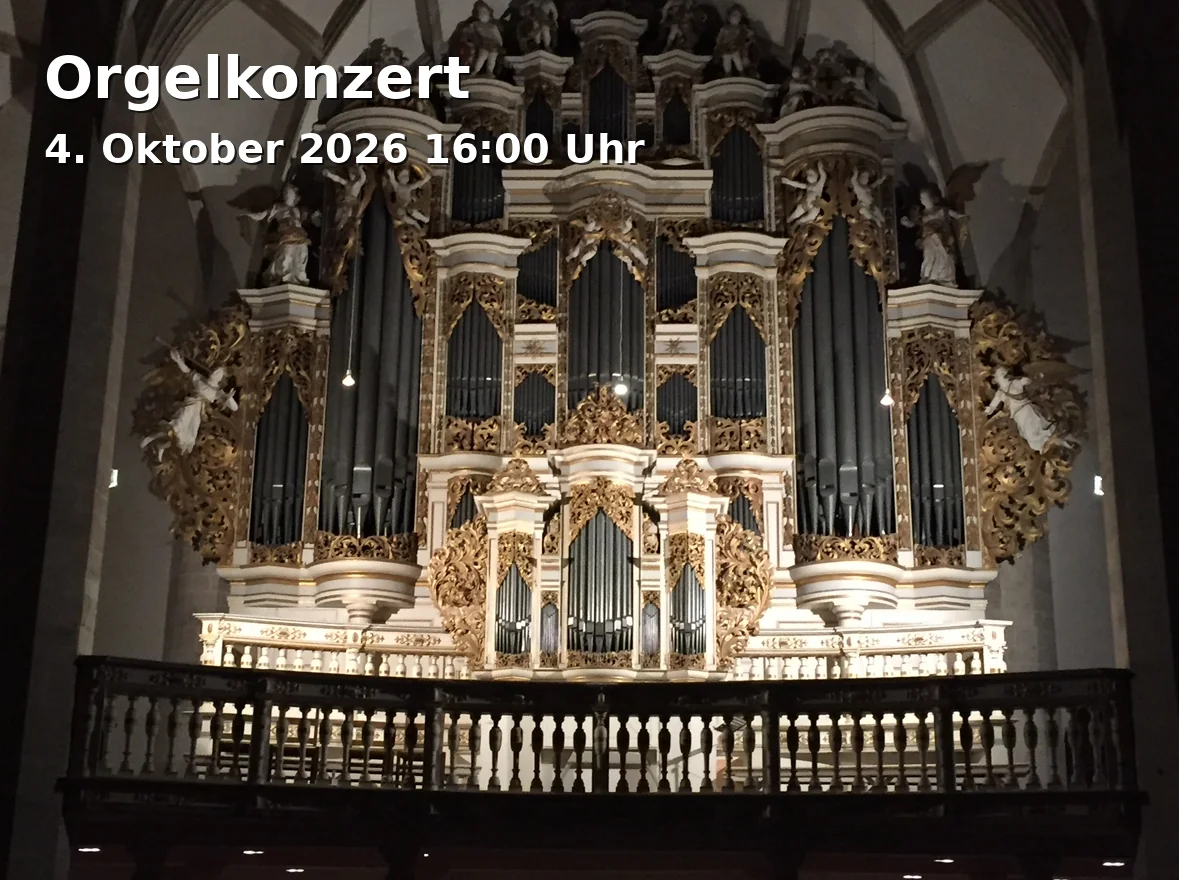
A Bach evening guaranteed to give you goosebumps in Potsdam's St. Peter and Paul Church. Organ sound, historic backdrop, and strong live atmosphere on 10.4.2026. #Potsdam #OrganConcert
Concert for Trumpet and Organ
An Advent evening full of splendor in Potsdam: Trumpet and organ fill St. Peter and Paul with warm sound splendor. 29.11.2026, 16:00, 8 euros. #Potsdam #Advent
Propsteichor Potsdam: Choral Concert in Potsdam
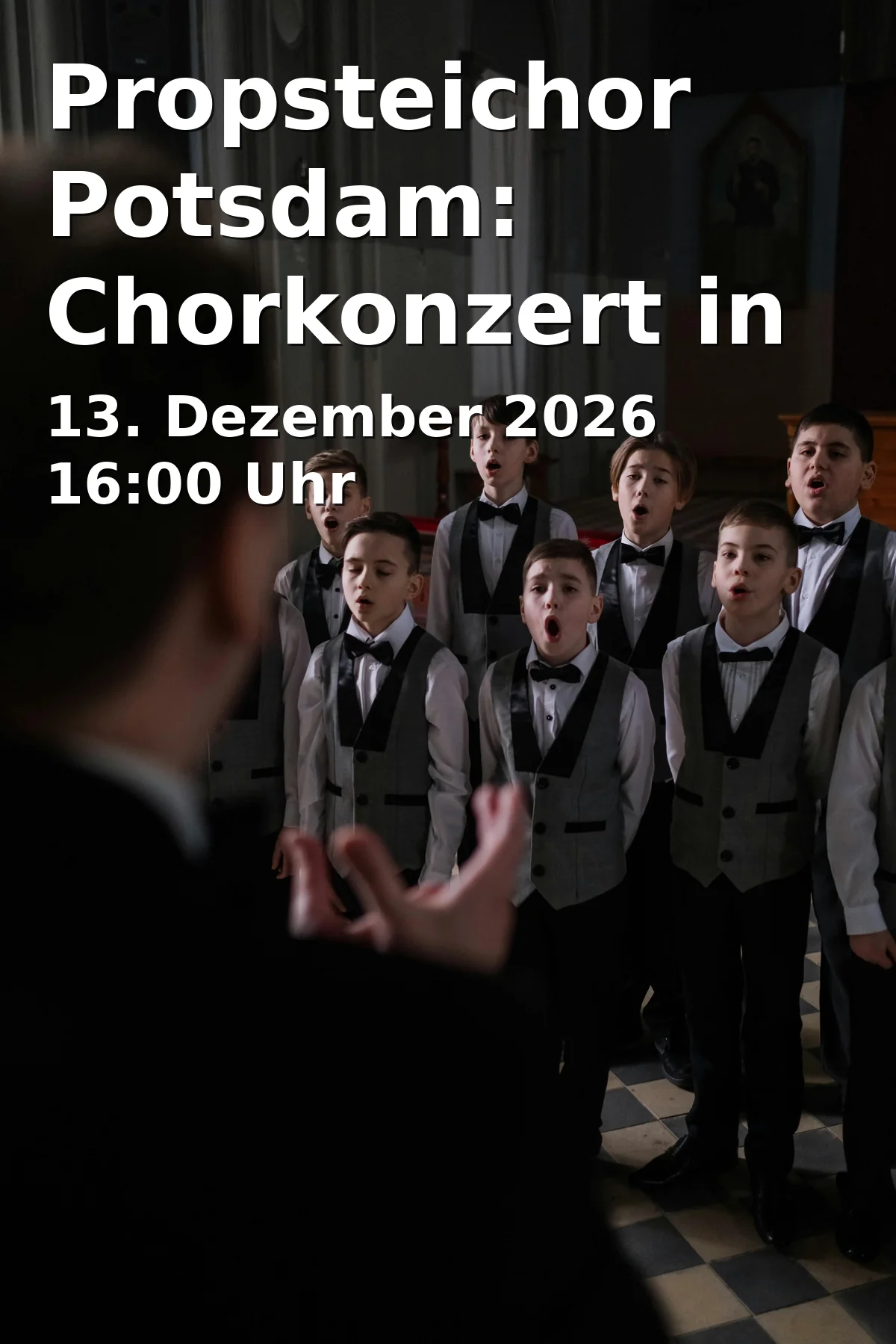
Advent Sound Magic in Potsdam: The choral concert in the Propstei Church combines atmosphere, church acoustics, and musical enjoyment. Mark it now! #Potsdam #Concert
Frequently Asked Questions
Reviews
Mumtahana Yeasmin Tanwee
10. October 2022
The church is not unique itself but the location is great with an overall view. The church & the Brandenburg gate are designed directly in a line, and when we were walking throughout the roads I had some good feelings.
Stuart McCleane
3. February 2022
Stumbled upon this early modern church in the centre of Potsdam, with striking interior especially exquisitely painted and shaped arched domed altar.
Juan Ignacio Gerosa
29. March 2024
Nice church directly on the Main Street and not far from the Brandenburger Tor (ca. 800 meters) - very well maintained and easy to access, nice for a short visit while visiting the city.
Łukasz Stachnik
15. January 2023
Beautiful church. 2nd Sunday in month, mass is celebrated in English.
ismail ouassou
29. April 2025
Nice church! Worth paying a visit if you're around.