
Potsdam
Max-Planck-Straße 17, 14473 Potsdam, Deutschland
DAS MINSK Kunsthaus in Potsdam | MINSKDAY & Tickets
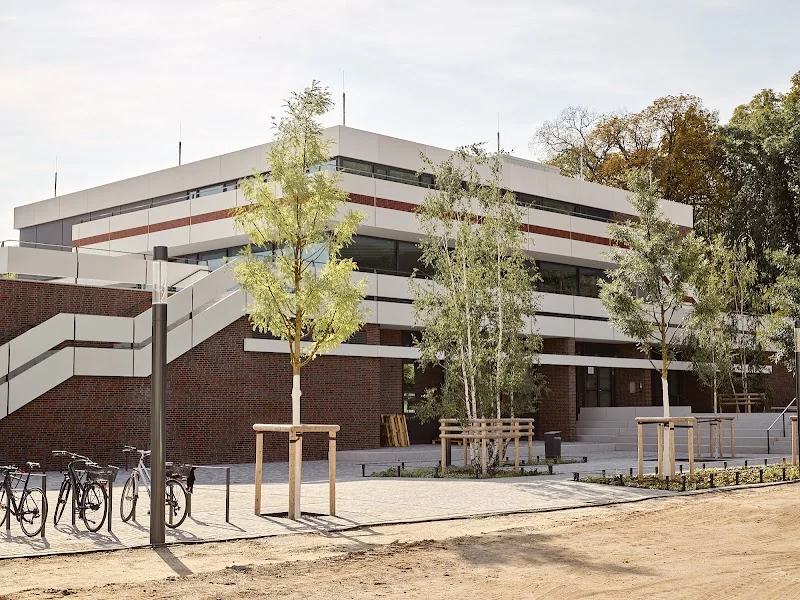
DAS MINSK Kunsthaus in Potsdam is a venue that fulfills several search intents at first glance: visitors are looking for photos, reviews, address, program, family offerings, and special event formats like MINSKDAY or MINSKBAR. This is exactly why the house is so exciting for search engines and for real visits alike. It is located on Brauhausberg, developed from the former terrace restaurant Minsk, and connects the memory of a significant place of GDR modernism with contemporary art. Since its opening in 2022, DAS MINSK has been part of the Potsdam museum landscape and sees itself as a place of exchange between art, history, and the city. The contrast between the historic architecture, the large window facade, the terrace overlooking Potsdam, and the current exhibition program is particularly strong. Those looking for good photos will find a very distinctive silhouette here. Those searching for reviews usually pay attention to atmosphere, orientation, accessibility, and program diversity. DAS MINSK makes exactly these points transparent: central location, short distances from the main train station, public areas like foyer, café bar, and terrace, as well as regularly changing formats for different target groups. ([media.dasminsk.de](https://media.dasminsk.de/DASMINSK_Pressemappe_EN_221019.pdf))
Photos, Reviews, and the First Impression of the House
In search queries like photos or reviews, it is almost always about the same core: How does a place feel before you enter it? DAS MINSK provides an unusually clear answer. Even the official description shows why the building is so visually present: a large window facade, a spacious forecourt, terrace, and foyer that are also open independently of an exhibition visit. This openness is an important part of the house's identity. Additionally, the location on the slope of Brauhausberg makes the building visible from the path. Those coming from the main train station see DAS MINSK sitting on the hill; those walking from the direction of Museum Barberini approach the house via paths between green spaces, fountains, and city panoramas. This is particularly relevant for photos because the building is not only a museum location but also a striking urban motif. The combination of modern lines, GDR history, and terrace architecture creates images that are immediately recognizable. The interior spaces also play a role: the house preserves memories of the former Minsk, such as the large spiral staircase and the round bar area, but in a new design. For people who want to check the impression of the house before their visit, these features are important: How open does the architecture appear? How easy is it to find the entrance? Are there areas to stay without a ticket? DAS MINSK answers all these questions about its architecture and visitor area very directly. ([media.dasminsk.de](https://media.dasminsk.de/DASMINSK_Pressemappe_EN_221019.pdf))
The search logic behind reviews also fits well with the house: many interested parties want to know not only what is being shown but how the place functions in everyday life. This includes clear pathways, quiet areas, good orientation, and an offering that works even without extensive prior knowledge. DAS MINSK is particularly suitable for this because the house is consciously designed as a meeting place. This is evident in the public accessibility of the terrace, at Café Hedwig, and in the foyer, as well as in the diverse formats that cover not only classic museum visits. So, for those looking for a place for photos and a first real impression, they will find a house that does not hide its architecture but makes it part of the experience. Especially in Potsdam, where many cultural places are connected with history and landscape, a rare mix of iconic building, open atmosphere, and clear visitor guidance emerges. This also explains why search queries for images, location, and reviews almost always converge with the address Max-Planck-Straße 17, Brauhausberg, and the view of the city skyline. ([dasminsk.de](https://dasminsk.de/en/contact))
MINSKDAY: Free Admission, Tours, and Café Hedwig
A particularly strong search topic is MINSKDAY, as the format combines free visits, regular dates, and a clear added value for first-time visitors. DAS MINSK grants free admission on the last Sunday of every month. For the first half of 2026, the official site lists specific dates: January 25, March 29, April 26, May 31, June 28, and July 26. On MINSKDAY, there are also two public tours at 2 PM and 3 PM, each of which can be booked for 4 euros. This is particularly attractive for people who want to get to know the house spontaneously without planning a full visit program. At the same time, the day is not just a free offer but a real cultural event because the tours provide orientation and place the exhibition in the context of the house's history. The visit page also explicitly refers to Café Hedwig, which complements the free art encounter with a gastronomic stop. This is exactly why MINSKDAY appears so prominently in the keyword list: the format is easy to understand, recurring monthly, and clearly communicated. For search engines, this is ideal because the search intent is very clearly directed towards dates, admission, and additional offers. For visitors, it is also practical because they can directly plan the museum visit as an outing on the weekend. So, those searching for MINSKDAY are usually looking not only for an admission rule but a complete visit window with a tour, café, and uncomplicated access. ([dasminsk.de](https://dasminsk.de/en/calendar/4774/minskday))
On June 28, 2026, MINSKDAY is a concrete example of how strongly this format works: free admission, regular tours, and an atmosphere that appeals to both spontaneous guests and planning regulars. Especially for families, couples, or individual visitors looking for a cultural destination at the end of the month, this is an easily accessible occasion. The connection of MINSKDAY with the current program is also important because the house is not only open on such days but particularly well-experienced. This means in practice: those who want to get to know the building, the terrace, and the exhibition on one day can start the visit with a tour and then explore the rooms themselves. Additionally, the format recurs regularly, creating a kind of cultural rhythm for Potsdam. This is relevant for SEO because search queries are often combined with month and date indications, such as June or July. Content-wise, MINSKDAY can therefore be summarized as a key term for visitor orientation, added value, and low access threshold. It is not just a free date but also an emotionally good introduction to a house that defines itself through openness and exchange. ([dasminsk.de](https://dasminsk.de/en/calendar/4774/minskday))
Family Sunday at MINSK: Experience Art with Children
Family Sunday is one of the strongest offerings for users specifically looking for family-friendly formats. Officially, the offering is aimed at families with children between 5 and 8 years old. The concept is clearly structured: while the parents participate in a tour of the current exhibition, the children explore art on their own age-appropriate tour. This is followed by a creative workshop where painting, building, or crafting can take place. This combination of tour, child-friendly mediation, and active participation is particularly valuable because it makes the museum visit not only passive but interactive. The current dates for 2026 are also transparently published: March 15, April 12, May 17, June 14, July 12, and August 2, each at 11 AM. The appointment lasts 60 minutes, the meeting point is the foyer in MINSK, the language is German, and participation costs 4 euros for adults plus admission and 3 euros for children including materials. Booking is possible online or on-site, but with limited participant numbers. These details make Family Sunday a search term with high practical relevance because parents often ask specifically about age, duration, price, and process. For content SEO, this is ideal: a clear occasion, a clearly defined target group, and a good content connection to the current exhibition. ([dasminsk.de](https://dasminsk.de/kalender/6215/familiensonntag))
The perception of the house is also important for Family Sunday because it shows that DAS MINSK is not only a place for art lovers but also for families looking for a relaxed cultural Sunday afternoon. The official description emphasizes that the children are accompanied by experienced art educators and work in an atmosphere that promotes creativity rather than pressure to perform. This is a good SEO lever because families often look for offerings that are simultaneously pedagogically meaningful, time-manageable, and practically bookable. Additionally, the format fits well with the current themes of the house because it conveys the ongoing exhibition in a low-threshold manner. For visitor flow, this is also sensible: the meeting point in the foyer, the fixed duration of 60 minutes, and the limited number of participants create clarity. So, those searching for Family Sunday at the MINSK Kunsthaus in Potsdam generally want to know if the visit is really worthwhile for children. The answer here is clearly yes, as the format combines art education, participation, and a gentle introduction to the museum world. Thus, Family Sunday complements the otherwise more adult-oriented exhibition program in a very clever way. ([dasminsk.de](https://dasminsk.de/kalender/6215/familiensonntag))
Directions and Parking at DAS MINSK Kunsthaus in Potsdam
Another central keyword topic is the directions, and here DAS MINSK scores with a very clear location description. The house is located at Max-Planck-Straße 17 in Potsdam and is about a five-minute walk from Potsdam Central Station. This is the most important practical advantage for many visitors because getting there is very easy even without a car. For travelers from Berlin, the house lists various connections, including ICE, RB, RE, HBX, and S7; from the airport, RB 22 is mentioned. The connection to Museum Barberini is also well explained: from there, DAS MINSK is about a 15-minute walk, while the current exhibition page states the path from MINSK to Museum Barberini takes about 12 minutes. For orientation, it is also helpful that not only train but also public transport connections are bundled at the main station. This proximity to the transport hub makes the location particularly convenient for visitors from Potsdam, Berlin, and the surrounding area. In search queries, the address often appears together with the street name because users want to know not only the place but also the exact location and travel time. Therefore, it is important for the content structure to treat directions not just as a side topic but as core information. ([dasminsk.de](https://dasminsk.de/en/contact))
When it comes to parking, the house is very open and honest: there are very few parking spaces directly at the venue. Therefore, parking at Potsdam Central Station, which is within walking distance, is recommended, as it offers a large parking garage for many visitors. Additionally, there is a reserved accessible parking space in the courtyard. For people with mobility impairments, it is also important that a ramp leads from the in-house parking spaces on the left side of the building to the terrace and thus to the main entrance. All levels and exhibition rooms are accessible by elevator, and there is an accessible toilet with a changing table in the foyer. Bicycles can be parked on both sides of the building, and buses are handled directly on Max-Planck-Straße according to the contact page. A practical note concerns the construction site in front of the house and on Brauhausberg, which should currently be taken into account when planning the route. This combination of honest parking information, clear public transport recommendations, and accessible entrances makes DAS MINSK pleasantly uncomplicated for many visitors. So, those searching for parking, directions, or Max-Planck-Straße will find a house that explains its paths very precisely while still offering a culturally exciting location. ([dasminsk.de](https://dasminsk.de/besuch))
Exhibitions, Program, and MINSKBAR
The current program is another reason why DAS MINSK is so present in search queries. Since March 14, 2026, the house has been showing Oscar Murillo. Collective Osmosis, an exhibition that brings together new abstract paintings, installations, and works in dialogue with Claude Monet. Particularly noteworthy is that the project marks the first collaboration between DAS MINSK and Museum Barberini. Murillo understands the concept of osmosis as a model to connect museum and city, inside and outside, as well as Potsdam and the world. For visitors, the participatory element is even more tangible: starting April 25, 2026, Collective Painting will take place on the terrace, where guests are involved in the open creation process. At the same time, a national social mapping project is being taken up, where people from all over Germany create drawings on large formats that will return to Potsdam. The exhibition runs until August 9, 2026, and is accompanied by a series of other programs. These include public tours, curatorial tours, Art & Aperitif, Art Breakfast, combined tours with Museum Barberini, and other formats that position the house as a vibrant place of exchange. This is also important for SEO because searchers often have the same need for program, exhibition, and ticketing: to quickly understand what is currently happening and how to participate. ([dasminsk.de](https://dasminsk.de/en/exhibitions/8017/oscar_murillo))
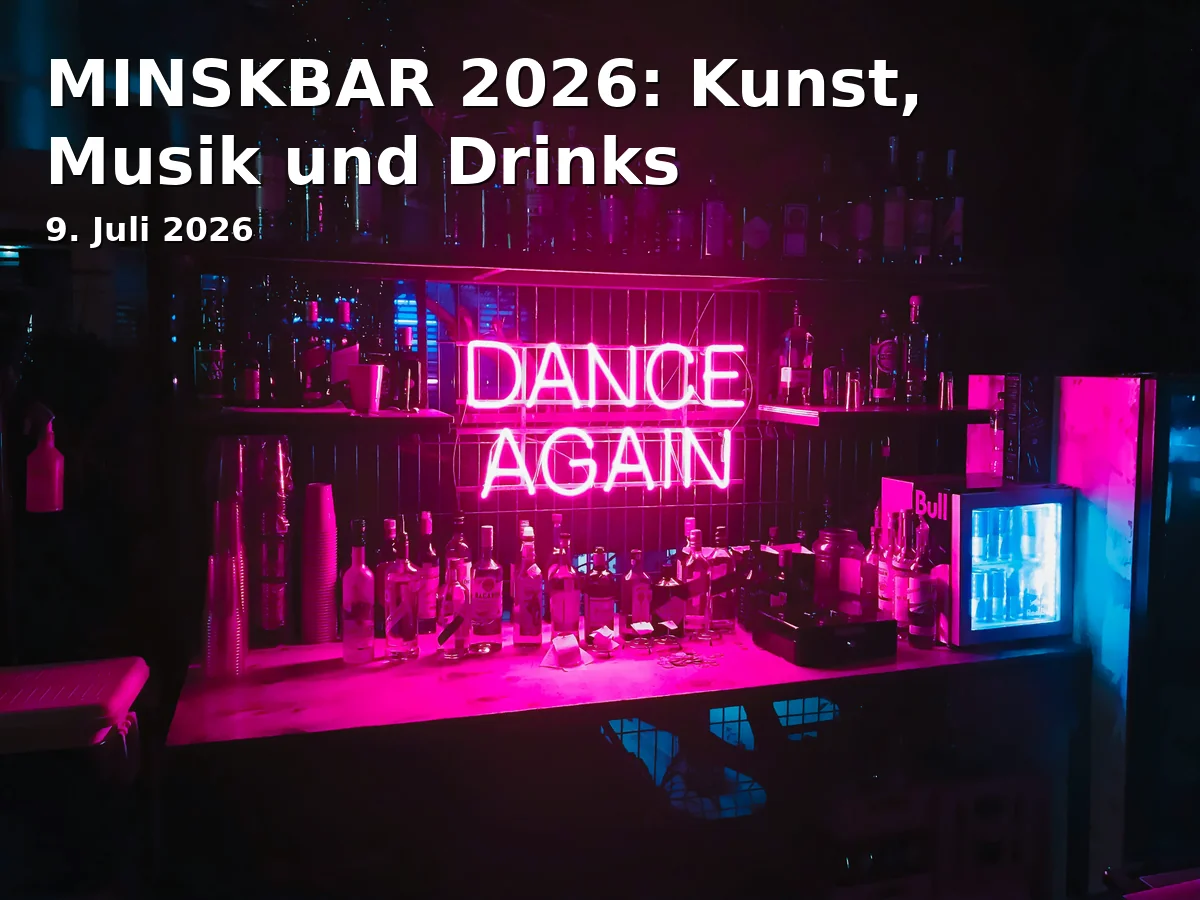
The event concept MINSKBAR additionally shows that DAS MINSK is not just a museum space but also an evening venue. For 2025, the official site lists three summer evenings: May 1, July 3, and July 31, each with extended opening hours, music program, and conversations in the exhibition as well as in Café Hedwig and on the terraces. The music program was curated by Masha Qrella, and the evenings combined live music, DJ sets, and an open atmosphere. This is exactly the kind of event that visitors often search for with specific date queries, such as MINSKBAR 2025 or an artist's name like YELKA. Particularly relevant is that the event is described not as a classic party but as a cultural format with music, art mediation, and quality of stay. This fits well with the overall picture of the house: daytime exhibition and mediation, evening encounters and music. In the current 2026 program logic, this idea remains intact because the house continues to offer tours, conversations, family formats, and special dates. For search engines, this is a clear advantage, as a dense network of seasonal and content-related dates forms around the topic of the program. So, those searching for exhibitions, programs, or MINSKBAR will not receive a static museum list at DAS MINSK but a lively annual program with changing focuses and participatory ideas. ([dasminsk.de](https://dasminsk.de/en/calendar/6685/minskbar))
History and Architecture of the Former Minsk
The history of DAS MINSK is one of the most important reasons why the house is much more than just an exhibition building. The former terrace restaurant Minsk was built between 1971 and 1977 on Brauhausberg in Potsdam, designed by architects Karl-Heinz Birkholz and Wolfgang Müller. It was created in the modernist language of the GDR and was intended as part of an urban ensemble with a swimming pool, terrace, and fountain. The restaurant was finally completed in 1977 and opened as a Belarusian-folkloristic place; the naming is related to the exchange between Potsdam and Minsk. In the GDR, the Minsk was a popular excursion and recreation spot where people ate, celebrated, talked, and danced. After its closure in the 1990s, the building increasingly fell into disrepair, and at times it seemed threatened with demolition. That it still exists today is also due to the commitment of Potsdam citizens who opposed the demolition plans. In 2019, the Hasso Plattner Foundation purchased the building, had it restored, and made it accessible to the public again. With the opening on September 24, 2022, the former restaurant became today's DAS MINSK Kunsthaus in Potsdam. This development is extremely relevant for search queries about history, background, and special features because it shows that the place was not simply renamed but culturally reinterpreted. ([media.dasminsk.de](https://media.dasminsk.de/DASMINSK_Pressemappe_EN_221019.pdf))
Architecturally, the house also has a high recognition value. The official press kit describes the large window facade and the spacious forecourt as expressions of openness; café bar, terrace, and foyer are publicly accessible, even independently of an exhibition visit. Inside, there are reminiscences of the old Minsk, including the large spiral staircase and the round counter in a historical location, but in a new design. The interior architecture of the foyer and bar was realized by Linearama from Genoa in collaboration with the Hedwig Bollhagen workshops in Marwitz. This connects the house's historical identity with a consciously contemporary architectural approach. Visitors can feel this when they come into the house via the ramp, terrace, or staircase: the architecture not only leads into the museum but also tells a story itself. In the urban landscape of Potsdam, DAS MINSK thus appears as a place between memory and present, between view and interior, between public encounter and curated art. This tension makes the house photographically strong, culturally significant, and versatile in search queries. Those searching for photos, reviews, history, or location will therefore repeatedly land at the same central features: GDR modernism, Brauhausberg, terrace, openness, Hasso Plattner Foundation, and a program that not only utilizes the architecture but works with it. ([media.dasminsk.de](https://media.dasminsk.de/DASMINSK_Pressemappe_EN_221019.pdf))
Sources:
- DAS MINSK Kunsthaus in Potsdam - Visit
- DAS MINSK Kunsthaus in Potsdam - Contact & Journey
- DAS MINSK Kunsthaus in Potsdam - History
- DAS MINSK Kunsthaus in Potsdam - Oscar Murillo. Collective Osmosis
- DAS MINSK Kunsthaus in Potsdam - MINSKDAY
- DAS MINSK Kunsthaus in Potsdam - Family Sunday
- DAS MINSK Kunsthaus in Potsdam - MINSKBAR 2025
- DAS MINSK Kunsthaus in Potsdam - Press Release and Architecture Dossier
Show moreShow less
DAS MINSK Kunsthaus in Potsdam | MINSKDAY & Tickets
DAS MINSK Kunsthaus in Potsdam is a venue that fulfills several search intents at first glance: visitors are looking for photos, reviews, address, program, family offerings, and special event formats like MINSKDAY or MINSKBAR. This is exactly why the house is so exciting for search engines and for real visits alike. It is located on Brauhausberg, developed from the former terrace restaurant Minsk, and connects the memory of a significant place of GDR modernism with contemporary art. Since its opening in 2022, DAS MINSK has been part of the Potsdam museum landscape and sees itself as a place of exchange between art, history, and the city. The contrast between the historic architecture, the large window facade, the terrace overlooking Potsdam, and the current exhibition program is particularly strong. Those looking for good photos will find a very distinctive silhouette here. Those searching for reviews usually pay attention to atmosphere, orientation, accessibility, and program diversity. DAS MINSK makes exactly these points transparent: central location, short distances from the main train station, public areas like foyer, café bar, and terrace, as well as regularly changing formats for different target groups. ([media.dasminsk.de](https://media.dasminsk.de/DASMINSK_Pressemappe_EN_221019.pdf))
Photos, Reviews, and the First Impression of the House
In search queries like photos or reviews, it is almost always about the same core: How does a place feel before you enter it? DAS MINSK provides an unusually clear answer. Even the official description shows why the building is so visually present: a large window facade, a spacious forecourt, terrace, and foyer that are also open independently of an exhibition visit. This openness is an important part of the house's identity. Additionally, the location on the slope of Brauhausberg makes the building visible from the path. Those coming from the main train station see DAS MINSK sitting on the hill; those walking from the direction of Museum Barberini approach the house via paths between green spaces, fountains, and city panoramas. This is particularly relevant for photos because the building is not only a museum location but also a striking urban motif. The combination of modern lines, GDR history, and terrace architecture creates images that are immediately recognizable. The interior spaces also play a role: the house preserves memories of the former Minsk, such as the large spiral staircase and the round bar area, but in a new design. For people who want to check the impression of the house before their visit, these features are important: How open does the architecture appear? How easy is it to find the entrance? Are there areas to stay without a ticket? DAS MINSK answers all these questions about its architecture and visitor area very directly. ([media.dasminsk.de](https://media.dasminsk.de/DASMINSK_Pressemappe_EN_221019.pdf))
The search logic behind reviews also fits well with the house: many interested parties want to know not only what is being shown but how the place functions in everyday life. This includes clear pathways, quiet areas, good orientation, and an offering that works even without extensive prior knowledge. DAS MINSK is particularly suitable for this because the house is consciously designed as a meeting place. This is evident in the public accessibility of the terrace, at Café Hedwig, and in the foyer, as well as in the diverse formats that cover not only classic museum visits. So, for those looking for a place for photos and a first real impression, they will find a house that does not hide its architecture but makes it part of the experience. Especially in Potsdam, where many cultural places are connected with history and landscape, a rare mix of iconic building, open atmosphere, and clear visitor guidance emerges. This also explains why search queries for images, location, and reviews almost always converge with the address Max-Planck-Straße 17, Brauhausberg, and the view of the city skyline. ([dasminsk.de](https://dasminsk.de/en/contact))
MINSKDAY: Free Admission, Tours, and Café Hedwig
A particularly strong search topic is MINSKDAY, as the format combines free visits, regular dates, and a clear added value for first-time visitors. DAS MINSK grants free admission on the last Sunday of every month. For the first half of 2026, the official site lists specific dates: January 25, March 29, April 26, May 31, June 28, and July 26. On MINSKDAY, there are also two public tours at 2 PM and 3 PM, each of which can be booked for 4 euros. This is particularly attractive for people who want to get to know the house spontaneously without planning a full visit program. At the same time, the day is not just a free offer but a real cultural event because the tours provide orientation and place the exhibition in the context of the house's history. The visit page also explicitly refers to Café Hedwig, which complements the free art encounter with a gastronomic stop. This is exactly why MINSKDAY appears so prominently in the keyword list: the format is easy to understand, recurring monthly, and clearly communicated. For search engines, this is ideal because the search intent is very clearly directed towards dates, admission, and additional offers. For visitors, it is also practical because they can directly plan the museum visit as an outing on the weekend. So, those searching for MINSKDAY are usually looking not only for an admission rule but a complete visit window with a tour, café, and uncomplicated access. ([dasminsk.de](https://dasminsk.de/en/calendar/4774/minskday))
On June 28, 2026, MINSKDAY is a concrete example of how strongly this format works: free admission, regular tours, and an atmosphere that appeals to both spontaneous guests and planning regulars. Especially for families, couples, or individual visitors looking for a cultural destination at the end of the month, this is an easily accessible occasion. The connection of MINSKDAY with the current program is also important because the house is not only open on such days but particularly well-experienced. This means in practice: those who want to get to know the building, the terrace, and the exhibition on one day can start the visit with a tour and then explore the rooms themselves. Additionally, the format recurs regularly, creating a kind of cultural rhythm for Potsdam. This is relevant for SEO because search queries are often combined with month and date indications, such as June or July. Content-wise, MINSKDAY can therefore be summarized as a key term for visitor orientation, added value, and low access threshold. It is not just a free date but also an emotionally good introduction to a house that defines itself through openness and exchange. ([dasminsk.de](https://dasminsk.de/en/calendar/4774/minskday))
Family Sunday at MINSK: Experience Art with Children
Family Sunday is one of the strongest offerings for users specifically looking for family-friendly formats. Officially, the offering is aimed at families with children between 5 and 8 years old. The concept is clearly structured: while the parents participate in a tour of the current exhibition, the children explore art on their own age-appropriate tour. This is followed by a creative workshop where painting, building, or crafting can take place. This combination of tour, child-friendly mediation, and active participation is particularly valuable because it makes the museum visit not only passive but interactive. The current dates for 2026 are also transparently published: March 15, April 12, May 17, June 14, July 12, and August 2, each at 11 AM. The appointment lasts 60 minutes, the meeting point is the foyer in MINSK, the language is German, and participation costs 4 euros for adults plus admission and 3 euros for children including materials. Booking is possible online or on-site, but with limited participant numbers. These details make Family Sunday a search term with high practical relevance because parents often ask specifically about age, duration, price, and process. For content SEO, this is ideal: a clear occasion, a clearly defined target group, and a good content connection to the current exhibition. ([dasminsk.de](https://dasminsk.de/kalender/6215/familiensonntag))
The perception of the house is also important for Family Sunday because it shows that DAS MINSK is not only a place for art lovers but also for families looking for a relaxed cultural Sunday afternoon. The official description emphasizes that the children are accompanied by experienced art educators and work in an atmosphere that promotes creativity rather than pressure to perform. This is a good SEO lever because families often look for offerings that are simultaneously pedagogically meaningful, time-manageable, and practically bookable. Additionally, the format fits well with the current themes of the house because it conveys the ongoing exhibition in a low-threshold manner. For visitor flow, this is also sensible: the meeting point in the foyer, the fixed duration of 60 minutes, and the limited number of participants create clarity. So, those searching for Family Sunday at the MINSK Kunsthaus in Potsdam generally want to know if the visit is really worthwhile for children. The answer here is clearly yes, as the format combines art education, participation, and a gentle introduction to the museum world. Thus, Family Sunday complements the otherwise more adult-oriented exhibition program in a very clever way. ([dasminsk.de](https://dasminsk.de/kalender/6215/familiensonntag))
Directions and Parking at DAS MINSK Kunsthaus in Potsdam
Another central keyword topic is the directions, and here DAS MINSK scores with a very clear location description. The house is located at Max-Planck-Straße 17 in Potsdam and is about a five-minute walk from Potsdam Central Station. This is the most important practical advantage for many visitors because getting there is very easy even without a car. For travelers from Berlin, the house lists various connections, including ICE, RB, RE, HBX, and S7; from the airport, RB 22 is mentioned. The connection to Museum Barberini is also well explained: from there, DAS MINSK is about a 15-minute walk, while the current exhibition page states the path from MINSK to Museum Barberini takes about 12 minutes. For orientation, it is also helpful that not only train but also public transport connections are bundled at the main station. This proximity to the transport hub makes the location particularly convenient for visitors from Potsdam, Berlin, and the surrounding area. In search queries, the address often appears together with the street name because users want to know not only the place but also the exact location and travel time. Therefore, it is important for the content structure to treat directions not just as a side topic but as core information. ([dasminsk.de](https://dasminsk.de/en/contact))
When it comes to parking, the house is very open and honest: there are very few parking spaces directly at the venue. Therefore, parking at Potsdam Central Station, which is within walking distance, is recommended, as it offers a large parking garage for many visitors. Additionally, there is a reserved accessible parking space in the courtyard. For people with mobility impairments, it is also important that a ramp leads from the in-house parking spaces on the left side of the building to the terrace and thus to the main entrance. All levels and exhibition rooms are accessible by elevator, and there is an accessible toilet with a changing table in the foyer. Bicycles can be parked on both sides of the building, and buses are handled directly on Max-Planck-Straße according to the contact page. A practical note concerns the construction site in front of the house and on Brauhausberg, which should currently be taken into account when planning the route. This combination of honest parking information, clear public transport recommendations, and accessible entrances makes DAS MINSK pleasantly uncomplicated for many visitors. So, those searching for parking, directions, or Max-Planck-Straße will find a house that explains its paths very precisely while still offering a culturally exciting location. ([dasminsk.de](https://dasminsk.de/besuch))
Exhibitions, Program, and MINSKBAR
The current program is another reason why DAS MINSK is so present in search queries. Since March 14, 2026, the house has been showing Oscar Murillo. Collective Osmosis, an exhibition that brings together new abstract paintings, installations, and works in dialogue with Claude Monet. Particularly noteworthy is that the project marks the first collaboration between DAS MINSK and Museum Barberini. Murillo understands the concept of osmosis as a model to connect museum and city, inside and outside, as well as Potsdam and the world. For visitors, the participatory element is even more tangible: starting April 25, 2026, Collective Painting will take place on the terrace, where guests are involved in the open creation process. At the same time, a national social mapping project is being taken up, where people from all over Germany create drawings on large formats that will return to Potsdam. The exhibition runs until August 9, 2026, and is accompanied by a series of other programs. These include public tours, curatorial tours, Art & Aperitif, Art Breakfast, combined tours with Museum Barberini, and other formats that position the house as a vibrant place of exchange. This is also important for SEO because searchers often have the same need for program, exhibition, and ticketing: to quickly understand what is currently happening and how to participate. ([dasminsk.de](https://dasminsk.de/en/exhibitions/8017/oscar_murillo))
The event concept MINSKBAR additionally shows that DAS MINSK is not just a museum space but also an evening venue. For 2025, the official site lists three summer evenings: May 1, July 3, and July 31, each with extended opening hours, music program, and conversations in the exhibition as well as in Café Hedwig and on the terraces. The music program was curated by Masha Qrella, and the evenings combined live music, DJ sets, and an open atmosphere. This is exactly the kind of event that visitors often search for with specific date queries, such as MINSKBAR 2025 or an artist's name like YELKA. Particularly relevant is that the event is described not as a classic party but as a cultural format with music, art mediation, and quality of stay. This fits well with the overall picture of the house: daytime exhibition and mediation, evening encounters and music. In the current 2026 program logic, this idea remains intact because the house continues to offer tours, conversations, family formats, and special dates. For search engines, this is a clear advantage, as a dense network of seasonal and content-related dates forms around the topic of the program. So, those searching for exhibitions, programs, or MINSKBAR will not receive a static museum list at DAS MINSK but a lively annual program with changing focuses and participatory ideas. ([dasminsk.de](https://dasminsk.de/en/calendar/6685/minskbar))
History and Architecture of the Former Minsk
The history of DAS MINSK is one of the most important reasons why the house is much more than just an exhibition building. The former terrace restaurant Minsk was built between 1971 and 1977 on Brauhausberg in Potsdam, designed by architects Karl-Heinz Birkholz and Wolfgang Müller. It was created in the modernist language of the GDR and was intended as part of an urban ensemble with a swimming pool, terrace, and fountain. The restaurant was finally completed in 1977 and opened as a Belarusian-folkloristic place; the naming is related to the exchange between Potsdam and Minsk. In the GDR, the Minsk was a popular excursion and recreation spot where people ate, celebrated, talked, and danced. After its closure in the 1990s, the building increasingly fell into disrepair, and at times it seemed threatened with demolition. That it still exists today is also due to the commitment of Potsdam citizens who opposed the demolition plans. In 2019, the Hasso Plattner Foundation purchased the building, had it restored, and made it accessible to the public again. With the opening on September 24, 2022, the former restaurant became today's DAS MINSK Kunsthaus in Potsdam. This development is extremely relevant for search queries about history, background, and special features because it shows that the place was not simply renamed but culturally reinterpreted. ([media.dasminsk.de](https://media.dasminsk.de/DASMINSK_Pressemappe_EN_221019.pdf))
Architecturally, the house also has a high recognition value. The official press kit describes the large window facade and the spacious forecourt as expressions of openness; café bar, terrace, and foyer are publicly accessible, even independently of an exhibition visit. Inside, there are reminiscences of the old Minsk, including the large spiral staircase and the round counter in a historical location, but in a new design. The interior architecture of the foyer and bar was realized by Linearama from Genoa in collaboration with the Hedwig Bollhagen workshops in Marwitz. This connects the house's historical identity with a consciously contemporary architectural approach. Visitors can feel this when they come into the house via the ramp, terrace, or staircase: the architecture not only leads into the museum but also tells a story itself. In the urban landscape of Potsdam, DAS MINSK thus appears as a place between memory and present, between view and interior, between public encounter and curated art. This tension makes the house photographically strong, culturally significant, and versatile in search queries. Those searching for photos, reviews, history, or location will therefore repeatedly land at the same central features: GDR modernism, Brauhausberg, terrace, openness, Hasso Plattner Foundation, and a program that not only utilizes the architecture but works with it. ([media.dasminsk.de](https://media.dasminsk.de/DASMINSK_Pressemappe_EN_221019.pdf))
Sources:
- DAS MINSK Kunsthaus in Potsdam - Visit
- DAS MINSK Kunsthaus in Potsdam - Contact & Journey
- DAS MINSK Kunsthaus in Potsdam - History
- DAS MINSK Kunsthaus in Potsdam - Oscar Murillo. Collective Osmosis
- DAS MINSK Kunsthaus in Potsdam - MINSKDAY
- DAS MINSK Kunsthaus in Potsdam - Family Sunday
- DAS MINSK Kunsthaus in Potsdam - MINSKBAR 2025
- DAS MINSK Kunsthaus in Potsdam - Press Release and Architecture Dossier
DAS MINSK Kunsthaus in Potsdam | MINSKDAY & Tickets
DAS MINSK Kunsthaus in Potsdam is a venue that fulfills several search intents at first glance: visitors are looking for photos, reviews, address, program, family offerings, and special event formats like MINSKDAY or MINSKBAR. This is exactly why the house is so exciting for search engines and for real visits alike. It is located on Brauhausberg, developed from the former terrace restaurant Minsk, and connects the memory of a significant place of GDR modernism with contemporary art. Since its opening in 2022, DAS MINSK has been part of the Potsdam museum landscape and sees itself as a place of exchange between art, history, and the city. The contrast between the historic architecture, the large window facade, the terrace overlooking Potsdam, and the current exhibition program is particularly strong. Those looking for good photos will find a very distinctive silhouette here. Those searching for reviews usually pay attention to atmosphere, orientation, accessibility, and program diversity. DAS MINSK makes exactly these points transparent: central location, short distances from the main train station, public areas like foyer, café bar, and terrace, as well as regularly changing formats for different target groups. ([media.dasminsk.de](https://media.dasminsk.de/DASMINSK_Pressemappe_EN_221019.pdf))
Photos, Reviews, and the First Impression of the House
In search queries like photos or reviews, it is almost always about the same core: How does a place feel before you enter it? DAS MINSK provides an unusually clear answer. Even the official description shows why the building is so visually present: a large window facade, a spacious forecourt, terrace, and foyer that are also open independently of an exhibition visit. This openness is an important part of the house's identity. Additionally, the location on the slope of Brauhausberg makes the building visible from the path. Those coming from the main train station see DAS MINSK sitting on the hill; those walking from the direction of Museum Barberini approach the house via paths between green spaces, fountains, and city panoramas. This is particularly relevant for photos because the building is not only a museum location but also a striking urban motif. The combination of modern lines, GDR history, and terrace architecture creates images that are immediately recognizable. The interior spaces also play a role: the house preserves memories of the former Minsk, such as the large spiral staircase and the round bar area, but in a new design. For people who want to check the impression of the house before their visit, these features are important: How open does the architecture appear? How easy is it to find the entrance? Are there areas to stay without a ticket? DAS MINSK answers all these questions about its architecture and visitor area very directly. ([media.dasminsk.de](https://media.dasminsk.de/DASMINSK_Pressemappe_EN_221019.pdf))
The search logic behind reviews also fits well with the house: many interested parties want to know not only what is being shown but how the place functions in everyday life. This includes clear pathways, quiet areas, good orientation, and an offering that works even without extensive prior knowledge. DAS MINSK is particularly suitable for this because the house is consciously designed as a meeting place. This is evident in the public accessibility of the terrace, at Café Hedwig, and in the foyer, as well as in the diverse formats that cover not only classic museum visits. So, for those looking for a place for photos and a first real impression, they will find a house that does not hide its architecture but makes it part of the experience. Especially in Potsdam, where many cultural places are connected with history and landscape, a rare mix of iconic building, open atmosphere, and clear visitor guidance emerges. This also explains why search queries for images, location, and reviews almost always converge with the address Max-Planck-Straße 17, Brauhausberg, and the view of the city skyline. ([dasminsk.de](https://dasminsk.de/en/contact))
MINSKDAY: Free Admission, Tours, and Café Hedwig
A particularly strong search topic is MINSKDAY, as the format combines free visits, regular dates, and a clear added value for first-time visitors. DAS MINSK grants free admission on the last Sunday of every month. For the first half of 2026, the official site lists specific dates: January 25, March 29, April 26, May 31, June 28, and July 26. On MINSKDAY, there are also two public tours at 2 PM and 3 PM, each of which can be booked for 4 euros. This is particularly attractive for people who want to get to know the house spontaneously without planning a full visit program. At the same time, the day is not just a free offer but a real cultural event because the tours provide orientation and place the exhibition in the context of the house's history. The visit page also explicitly refers to Café Hedwig, which complements the free art encounter with a gastronomic stop. This is exactly why MINSKDAY appears so prominently in the keyword list: the format is easy to understand, recurring monthly, and clearly communicated. For search engines, this is ideal because the search intent is very clearly directed towards dates, admission, and additional offers. For visitors, it is also practical because they can directly plan the museum visit as an outing on the weekend. So, those searching for MINSKDAY are usually looking not only for an admission rule but a complete visit window with a tour, café, and uncomplicated access. ([dasminsk.de](https://dasminsk.de/en/calendar/4774/minskday))
On June 28, 2026, MINSKDAY is a concrete example of how strongly this format works: free admission, regular tours, and an atmosphere that appeals to both spontaneous guests and planning regulars. Especially for families, couples, or individual visitors looking for a cultural destination at the end of the month, this is an easily accessible occasion. The connection of MINSKDAY with the current program is also important because the house is not only open on such days but particularly well-experienced. This means in practice: those who want to get to know the building, the terrace, and the exhibition on one day can start the visit with a tour and then explore the rooms themselves. Additionally, the format recurs regularly, creating a kind of cultural rhythm for Potsdam. This is relevant for SEO because search queries are often combined with month and date indications, such as June or July. Content-wise, MINSKDAY can therefore be summarized as a key term for visitor orientation, added value, and low access threshold. It is not just a free date but also an emotionally good introduction to a house that defines itself through openness and exchange. ([dasminsk.de](https://dasminsk.de/en/calendar/4774/minskday))
Family Sunday at MINSK: Experience Art with Children
Family Sunday is one of the strongest offerings for users specifically looking for family-friendly formats. Officially, the offering is aimed at families with children between 5 and 8 years old. The concept is clearly structured: while the parents participate in a tour of the current exhibition, the children explore art on their own age-appropriate tour. This is followed by a creative workshop where painting, building, or crafting can take place. This combination of tour, child-friendly mediation, and active participation is particularly valuable because it makes the museum visit not only passive but interactive. The current dates for 2026 are also transparently published: March 15, April 12, May 17, June 14, July 12, and August 2, each at 11 AM. The appointment lasts 60 minutes, the meeting point is the foyer in MINSK, the language is German, and participation costs 4 euros for adults plus admission and 3 euros for children including materials. Booking is possible online or on-site, but with limited participant numbers. These details make Family Sunday a search term with high practical relevance because parents often ask specifically about age, duration, price, and process. For content SEO, this is ideal: a clear occasion, a clearly defined target group, and a good content connection to the current exhibition. ([dasminsk.de](https://dasminsk.de/kalender/6215/familiensonntag))
The perception of the house is also important for Family Sunday because it shows that DAS MINSK is not only a place for art lovers but also for families looking for a relaxed cultural Sunday afternoon. The official description emphasizes that the children are accompanied by experienced art educators and work in an atmosphere that promotes creativity rather than pressure to perform. This is a good SEO lever because families often look for offerings that are simultaneously pedagogically meaningful, time-manageable, and practically bookable. Additionally, the format fits well with the current themes of the house because it conveys the ongoing exhibition in a low-threshold manner. For visitor flow, this is also sensible: the meeting point in the foyer, the fixed duration of 60 minutes, and the limited number of participants create clarity. So, those searching for Family Sunday at the MINSK Kunsthaus in Potsdam generally want to know if the visit is really worthwhile for children. The answer here is clearly yes, as the format combines art education, participation, and a gentle introduction to the museum world. Thus, Family Sunday complements the otherwise more adult-oriented exhibition program in a very clever way. ([dasminsk.de](https://dasminsk.de/kalender/6215/familiensonntag))
Directions and Parking at DAS MINSK Kunsthaus in Potsdam
Another central keyword topic is the directions, and here DAS MINSK scores with a very clear location description. The house is located at Max-Planck-Straße 17 in Potsdam and is about a five-minute walk from Potsdam Central Station. This is the most important practical advantage for many visitors because getting there is very easy even without a car. For travelers from Berlin, the house lists various connections, including ICE, RB, RE, HBX, and S7; from the airport, RB 22 is mentioned. The connection to Museum Barberini is also well explained: from there, DAS MINSK is about a 15-minute walk, while the current exhibition page states the path from MINSK to Museum Barberini takes about 12 minutes. For orientation, it is also helpful that not only train but also public transport connections are bundled at the main station. This proximity to the transport hub makes the location particularly convenient for visitors from Potsdam, Berlin, and the surrounding area. In search queries, the address often appears together with the street name because users want to know not only the place but also the exact location and travel time. Therefore, it is important for the content structure to treat directions not just as a side topic but as core information. ([dasminsk.de](https://dasminsk.de/en/contact))
When it comes to parking, the house is very open and honest: there are very few parking spaces directly at the venue. Therefore, parking at Potsdam Central Station, which is within walking distance, is recommended, as it offers a large parking garage for many visitors. Additionally, there is a reserved accessible parking space in the courtyard. For people with mobility impairments, it is also important that a ramp leads from the in-house parking spaces on the left side of the building to the terrace and thus to the main entrance. All levels and exhibition rooms are accessible by elevator, and there is an accessible toilet with a changing table in the foyer. Bicycles can be parked on both sides of the building, and buses are handled directly on Max-Planck-Straße according to the contact page. A practical note concerns the construction site in front of the house and on Brauhausberg, which should currently be taken into account when planning the route. This combination of honest parking information, clear public transport recommendations, and accessible entrances makes DAS MINSK pleasantly uncomplicated for many visitors. So, those searching for parking, directions, or Max-Planck-Straße will find a house that explains its paths very precisely while still offering a culturally exciting location. ([dasminsk.de](https://dasminsk.de/besuch))
Exhibitions, Program, and MINSKBAR
The current program is another reason why DAS MINSK is so present in search queries. Since March 14, 2026, the house has been showing Oscar Murillo. Collective Osmosis, an exhibition that brings together new abstract paintings, installations, and works in dialogue with Claude Monet. Particularly noteworthy is that the project marks the first collaboration between DAS MINSK and Museum Barberini. Murillo understands the concept of osmosis as a model to connect museum and city, inside and outside, as well as Potsdam and the world. For visitors, the participatory element is even more tangible: starting April 25, 2026, Collective Painting will take place on the terrace, where guests are involved in the open creation process. At the same time, a national social mapping project is being taken up, where people from all over Germany create drawings on large formats that will return to Potsdam. The exhibition runs until August 9, 2026, and is accompanied by a series of other programs. These include public tours, curatorial tours, Art & Aperitif, Art Breakfast, combined tours with Museum Barberini, and other formats that position the house as a vibrant place of exchange. This is also important for SEO because searchers often have the same need for program, exhibition, and ticketing: to quickly understand what is currently happening and how to participate. ([dasminsk.de](https://dasminsk.de/en/exhibitions/8017/oscar_murillo))
The event concept MINSKBAR additionally shows that DAS MINSK is not just a museum space but also an evening venue. For 2025, the official site lists three summer evenings: May 1, July 3, and July 31, each with extended opening hours, music program, and conversations in the exhibition as well as in Café Hedwig and on the terraces. The music program was curated by Masha Qrella, and the evenings combined live music, DJ sets, and an open atmosphere. This is exactly the kind of event that visitors often search for with specific date queries, such as MINSKBAR 2025 or an artist's name like YELKA. Particularly relevant is that the event is described not as a classic party but as a cultural format with music, art mediation, and quality of stay. This fits well with the overall picture of the house: daytime exhibition and mediation, evening encounters and music. In the current 2026 program logic, this idea remains intact because the house continues to offer tours, conversations, family formats, and special dates. For search engines, this is a clear advantage, as a dense network of seasonal and content-related dates forms around the topic of the program. So, those searching for exhibitions, programs, or MINSKBAR will not receive a static museum list at DAS MINSK but a lively annual program with changing focuses and participatory ideas. ([dasminsk.de](https://dasminsk.de/en/calendar/6685/minskbar))
History and Architecture of the Former Minsk
The history of DAS MINSK is one of the most important reasons why the house is much more than just an exhibition building. The former terrace restaurant Minsk was built between 1971 and 1977 on Brauhausberg in Potsdam, designed by architects Karl-Heinz Birkholz and Wolfgang Müller. It was created in the modernist language of the GDR and was intended as part of an urban ensemble with a swimming pool, terrace, and fountain. The restaurant was finally completed in 1977 and opened as a Belarusian-folkloristic place; the naming is related to the exchange between Potsdam and Minsk. In the GDR, the Minsk was a popular excursion and recreation spot where people ate, celebrated, talked, and danced. After its closure in the 1990s, the building increasingly fell into disrepair, and at times it seemed threatened with demolition. That it still exists today is also due to the commitment of Potsdam citizens who opposed the demolition plans. In 2019, the Hasso Plattner Foundation purchased the building, had it restored, and made it accessible to the public again. With the opening on September 24, 2022, the former restaurant became today's DAS MINSK Kunsthaus in Potsdam. This development is extremely relevant for search queries about history, background, and special features because it shows that the place was not simply renamed but culturally reinterpreted. ([media.dasminsk.de](https://media.dasminsk.de/DASMINSK_Pressemappe_EN_221019.pdf))
Architecturally, the house also has a high recognition value. The official press kit describes the large window facade and the spacious forecourt as expressions of openness; café bar, terrace, and foyer are publicly accessible, even independently of an exhibition visit. Inside, there are reminiscences of the old Minsk, including the large spiral staircase and the round counter in a historical location, but in a new design. The interior architecture of the foyer and bar was realized by Linearama from Genoa in collaboration with the Hedwig Bollhagen workshops in Marwitz. This connects the house's historical identity with a consciously contemporary architectural approach. Visitors can feel this when they come into the house via the ramp, terrace, or staircase: the architecture not only leads into the museum but also tells a story itself. In the urban landscape of Potsdam, DAS MINSK thus appears as a place between memory and present, between view and interior, between public encounter and curated art. This tension makes the house photographically strong, culturally significant, and versatile in search queries. Those searching for photos, reviews, history, or location will therefore repeatedly land at the same central features: GDR modernism, Brauhausberg, terrace, openness, Hasso Plattner Foundation, and a program that not only utilizes the architecture but works with it. ([media.dasminsk.de](https://media.dasminsk.de/DASMINSK_Pressemappe_EN_221019.pdf))
Sources:
- DAS MINSK Kunsthaus in Potsdam - Visit
- DAS MINSK Kunsthaus in Potsdam - Contact & Journey
- DAS MINSK Kunsthaus in Potsdam - History
- DAS MINSK Kunsthaus in Potsdam - Oscar Murillo. Collective Osmosis
- DAS MINSK Kunsthaus in Potsdam - MINSKDAY
- DAS MINSK Kunsthaus in Potsdam - Family Sunday
- DAS MINSK Kunsthaus in Potsdam - MINSKBAR 2025
- DAS MINSK Kunsthaus in Potsdam - Press Release and Architecture Dossier
Upcoming Events

Oscar Murillo. Collective Osmosis
An intense art experience in Potsdam: Oscar Murillo meets Monet, painting, and participation at MINSK. Until 9.8.2026. #ArtInPotsdam
MINSKBAR 2026: Art, Music and Drinks
Enjoy a summer evening of art and music at DAS MINSK Art House. Wolfgang Flür and Mark Reeder will be live.
MINSKBAR 2026
Potsdam's summer evening with style: MINSKBAR 2026 combines live music, art, and terrace atmosphere at DAS MINSK. 09.07.2026, 10 Euros. Secure tickets now! #Potsdam
Oscar Murillo: Collective Osmosis
Visit the fascinating exhibition 'Collective Osmosis' by Oscar Murillo at DAS MINSK Arts House. Immerse yourself in the global art dialogue.
Annemirl Bauer
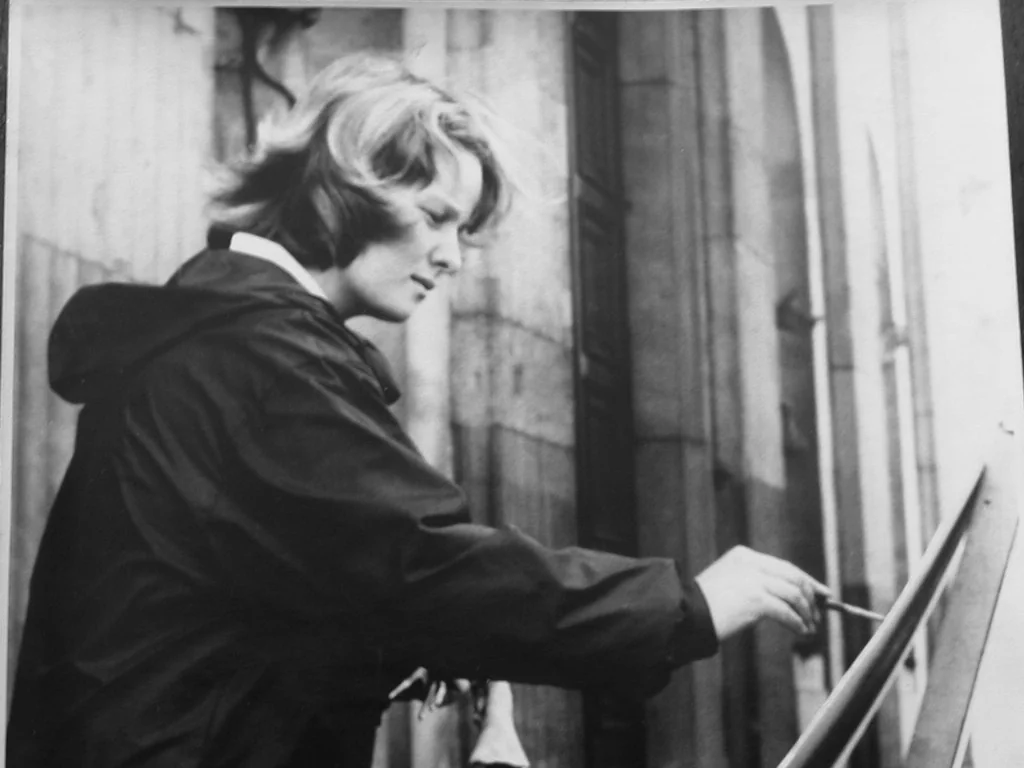
A strong retrospective at DAS MINSK: Annemirl Bauer shows art with attitude, color, and history. From 05.09.2026, 10 €. #Potsdam #Art
Frequently Asked Questions
Reviews
No reviews found