
Potsdam
Pfingstberg, Neuer Garten, 14469 Potsdam, Deutschland
Belvedere Pfingstberg | Wedding & Opening Hours
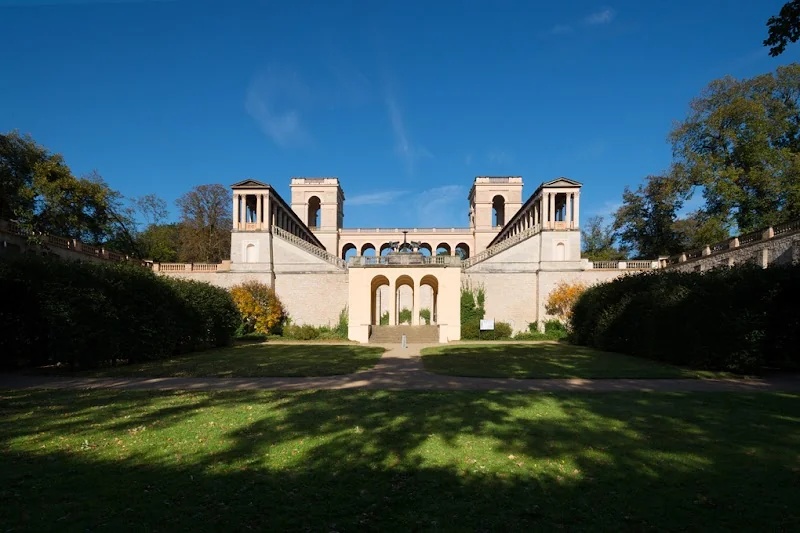
The Belvedere Pfingstberg is one of the most impressive excursion destinations in Potsdam, combining views, architecture, history, and event culture in a way that is rarely found in Brandenburg. High above the city, the ensemble stands on the Pfingstberg and offers its two towers, arcades, colonnades, and courtyard as an extraordinary setting for visitors, couples, culture enthusiasts, and event organizers. The location is popular not only for its panorama but also for its special history: it was planned in the 19th century as a romantic lookout castle, later restored, and is now operated by the Pfingstberg Förderverein e.V. This blend of history and vibrant use is what makes the Belvedere so appealing. Those who come here often seek not just a beautiful view but a complete experience of walking, culture, architecture, and tranquility above the rooftops of the city. The ensemble is closely connected with the Lenné Park, the Pomona Temple, and the Pfingstberghaus, together forming one of the most distinctive places in northern Potsdam. ([potsdam.de](https://www.potsdam.de/de/maurisches-kabinett-im-belvedere-pfingstberg))
Opening Hours, Admission, and Tickets at Belvedere Pfingstberg
For many visitors, planning begins with a very practical question: When is the Belvedere Pfingstberg open and what does admission cost? The current opening hours are regulated seasonally. In March, the Belvedere is open on Saturdays and Sundays from 10 AM to 4 PM. From April to June, the hours are Tuesday to Friday from 10 AM to 5 PM and Saturday and Sunday from 10 AM to 6 PM. From July to September, weekend hours extend to 7 PM, while in October, it is open on Saturdays and Sundays until 6 PM. Monday is closed, and on public holidays, it usually opens as on Sundays. This makes the Belvedere a destination that can be very well adapted to the season and the light: Spring for clear views and pleasant temperatures, summer for long evenings, autumn for special colors. ([pfingstberg.de](https://www.pfingstberg.de/besuch-planen/))
The pricing structure is also clear and family-friendly. Regular admission is 8 euros, reduced admission is 6 euros. Children under 7 years have free admission, as do guests with disabilities of 70 percent or more. Family tickets and small family tickets make visits easier for parents with children, and an annual pass is also available; according to official information, it is valid for individual events as well. Particularly practical is the offer of audio tours via smartphone using QR codes, which are freely usable for adults and children. This allows the tour to be very informative even without a fixed group guide. For those who want to dive deeper, a guided tour can also be booked, as there is a contemporary witness and permanent exhibition in German and English in the castle. Thus, the Belvedere is not only a place for a quick sightseeing stop but also for a longer visit where one can consciously experience history and architecture. ([pfingstberg.de](https://www.pfingstberg.de/besuch-planen/))
For the search intent around admission and visitor experience, it is also important that the Belvedere is accessible upon request beyond regular opening hours. Group tours, special openings, and event formats make the location flexible. So, if you are looking for tickets, opening hours, or a quiet moment on the mountain, you should keep an eye on both the calendar and the season. The combination of lookout castle, exhibition, and regular cultural program ensures that a visit is worthwhile at different times of the day and year. In good weather, the view far over Potsdam and the Havelseen landscape is a real argument for the excursion; in rain or cooler weather, the courtyard, exhibition, and architectural details come more into focus. This versatility is one of the reasons why the Belvedere is as popular with locals as it is with day visitors from Berlin and Brandenburg. ([pfingstberg.de](https://www.pfingstberg.de/besuch-planen/))
Access, Parking, and Accessibility Information for Belvedere Pfingstberg
Anyone wishing to visit the Belvedere Pfingstberg should plan their journey consciously. The operator explicitly recommends public transport, as there are no parking facilities directly at the Belvedere. This is understandable for a historical site with a sensitive park area and limited pathways. Those arriving by tram or bus can reach the ensemble quickly from Potsdam Central Station. The tram lines 92 and 96 with the stops Puschkinallee and Am Schragen, as well as bus 603 with the stop Höhenstraße, are mentioned. This means that the Belvedere is well connected to the urban transport network, and the journey can already become part of the excursion. This is a convenient solution, especially for guests coming from Berlin or the train station, as they are not dependent on finding a parking space. ([pfingstberg.de](https://www.pfingstberg.de/besuch-planen/))
For drivers, there is still clear guidance: Public parking is recommended, for example, at Volkspark Potsdam or Schloss Cecilienhof, each with a walking distance of about 14 to 15 minutes. For people with mobility impairments, the situation is better than often assumed, as parking directly at the Belvedere is possible by arrangement with the cash desk. Additionally, there is a stair lift for wheelchair users, which, however, only allows access to the courtyard or the ground floor with the permanent exhibition. The lookout towers themselves are only accessible via several staircases. This is an important practical note, as the special topography of the site inevitably brings limitations. At the same time, the official information shows that the team pays attention to accessibility and offers organizational solutions if needed. For larger groups, a shuttle from Volkspark can also be organized, making it easier for events, tours, or wedding guests to arrive. Those planning a visit should clarify these points early to ensure a relaxed day on site. ([pfingstberg.de](https://www.pfingstberg.de/besuch-planen/))
Another advantage of the official access information is its clarity: The Belvedere is indeed set back in the landscape, but not difficult to reach. The path is explicitly described as exciting on foot or by bike, and tour suggestions are also offered. This is particularly practical for excursions to the Pfingstberg and the New Garden, as the visit can be combined with a walk through Potsdam. Those searching for parking information usually want to know how much time they need to plan. The answer is: better to be a little generous than too tight, as the last meters to the ensemble are covered on foot, and the place is best experienced when not in a hurry. This combination of good access and consciously limited car access helps to preserve the historical character of the site. ([pfingstberg.de](https://www.pfingstberg.de/besuch-planen/))
Weddings in the Moorish Cabinet and Civil Registry Potsdam
The keyword around weddings is one of the most important search queries for the Belvedere Pfingstberg, and for good reason: Few other places in Potsdam combine romance, views, and historical backdrop so convincingly. The ceremony takes place in the Moorish Cabinet in the east tower, a richly decorated room with red-blue-golden tiles, ceiling paintings, and a marble floor. This decor creates a very special setting that is much more than just a pretty room for the official appointment. According to official representation, the Civil Registry Potsdam is authorized for weddings there, and ceremonies are planned from May to October. This makes the Belvedere a true external office for couples who do not want to be married in a standard environment but seek a historical and festive atmosphere. ([potsdam.de](https://www.potsdam.de/de/maurisches-kabinett-im-belvedere-pfingstberg))
Organizationally, the information is also clearly regulated. The official process stipulates that appointment requests are directed to the Civil Registry Potsdam; subsequently, the Pfingstberg Förderverein e.V. advises on the design of the ceremony and the subsequent reception or wedding celebration. A fee of 750 euros is mentioned for the ceremony in the Moorish Cabinet, and an optional guided tour costs 145 euros. The ceremony is designed for up to 20 guests and lasts 40 minutes. For many couples, this is the right balance between exclusivity and practical planning. Additionally, it is particularly attractive that after the wedding ceremony, a tour through the colonnades and arcades is possible, and photos can be taken with a view over the UNESCO World Heritage landscape from Potsdam to Berlin. This makes the location not only a wedding room but a complete wedding backdrop with strong memory value. ([pfingstberg.de](https://www.pfingstberg.de/wp-content/uploads/2021/09/Belvedere-Pfingstberg-Unsere-Angebote-fuer-Ihre-Hochzeit.pdf))
Those searching for Belvedere Pfingstberg wedding costs or civil registry typically want not only prices but also answers to the question of experience. This is where the location excels: The wedding backdrop is high above the city, architecturally extraordinary, and can be very well combined with reception, guided tour, or photo session. The Förderverein offers support for reception and celebration upon request, and the rental and event logic of the ensemble also provides for larger social occasions. This means: The Belvedere is not only suitable for the vows but also for the time afterward. Especially for couples looking for a high-quality yet historically grounded place with a special ambiance, this is one of the most exciting addresses in Potsdam. ([spsg.de](https://www.spsg.de/en/rental-locations/eventlocation/belvedere-pfingstberg))
Events, Moon Nights, and Culture in Nature on the Pfingstberg
The Belvedere Pfingstberg is not only a monument and viewpoint but also a vibrant cultural address. In summer, cultural events in nature regularly take place on the Pfingstberg, including concerts, scenic storytelling, theater, and other formats in the garden area or on the rooftop terrace of the Pomona Temple. Additionally, there are changing exhibitions, especially in the Pomona Temple, which becomes a small exhibition space in the warm months. The Förderverein explicitly describes the ensemble as a stage for cultural events, especially in the warm season. Thus, those searching for events, programs, or calendars will find here not a rigid repertoire but a seasonally varied mix of music, performance, art, and tours. This openness makes the location interesting for both organizers and visitors. ([pfingstberg.de](https://www.pfingstberg.de/kulturevents-erleben/veranstaltungen/?utm_source=openai))
A special highlight is the Moon Nights, which take place four to five times a year. During these events, sunset, moonrise, light moods, and the illuminated Belvedere are combined into a very atmospheric experience. Wine, music, and the view from the towers ensure that these evenings have become fixed dates in the calendar for many guests. Additionally, the Italian evening in the courtyard is also listed as one of the recurring formats according to the official event page. Therefore, those searching for events will find not only individual concert dates but a whole experience logic revolving around the place itself. This makes the Belvedere a stage under the open sky in the warm months, where architecture and nature merge with the program. For visitors who want to not just see Potsdam but experience it, this is a strong argument. ([pfingstberg.de](https://www.pfingstberg.de/kulturevents-erleben/veranstaltungen/?utm_source=openai))
For artists and organizers, the ensemble is also interesting. The official pages refer to collaborations with external partners and the possibility of applying for performances or exhibitions. The Pfingstberg ensemble is thus not only a consumable cultural site but also an active production site. This mixture explains why the Belvedere is so often searched in connection with programs, concerts, exhibitions, moon nights, and special events. Those planning an event visit should therefore not only look at the opening hours but also check the calendar. Often, a visit is doubly worthwhile when the excursion is combined with an event or guided tour. This transforms the classic sight into a place where one can immerse themselves in another time and mood for a few hours. ([pfingstberg.de](https://www.pfingstberg.de/kulturevents-erleben/kalender/?utm_source=openai))
History, Architecture, and Views over Potsdam
The history of the Belvedere Pfingstberg is closely linked to King Friedrich Wilhelm IV, who began construction in 1847. The ensemble was completed only in 1863, after the king did not live to see its completion. The Belvedere is stylistically oriented towards Italian Renaissance villas, which is immediately evident from the bright sandstone, the symmetrical effect, and the open views. The official representation emphasizes the romantic origin of the project: The Pfingstberg was to become a large, staged garden and lookout facility, with terraces, open staircases, and water cascades. This generous plan was never fully realized because the king died before the completion of construction. It is precisely this unfinished aspect that adds to the charm of the place, as one can still see how much artistic ambition and landscape architecture is embedded in the ensemble. ([pfingstberg.de](https://www.pfingstberg.de/))
Architecturally, the Belvedere is one of the most striking buildings in northern Potsdam. The two towers shape the silhouette of the building and carry the famous view that extends over the city, the Havelseen, and all the way to Berlin. In the event and SPSG representation, the ensemble is described with two towers 27.4 meters high on the 76-meter-high Pfingstberg; the tourist side speaks of a location over 100 meters above sea level. For visitors, this means one thing above all: an extraordinary panorama. The view is not only beautiful but also spatially readable. One can recognize the Potsdam cultural landscape, the parks, the lakes, and the city structure at a glance. The Belvedere thus functions like a viewpoint with narrative value, as the landscape is framed by the architecture. This combination of elevation and built staging distinguishes it from many other viewpoints. ([spsg.de](https://www.spsg.de/en/rental-locations/eventlocation/belvedere-pfingstberg))
The restoration starting in 1992 was a decisive moment for the current condition. At the initiative of the Pfingstberg Förderverein e.V., the historical ensemble was restored with donations and reopened as a public place. Thus, the Belvedere is an example of how monument preservation can work through active use. The revitalization of the site today includes guided tours, exhibitions, cultural events, and private bookings. Those searching for history will find here not only dates but a living monument that has become a crowd puller from a ruin. The fact that the site is now one of the most popular excursion destinations in Potsdam is precisely due to this connection of care, use, and narrativity. Architecture is not viewed in isolation here but embedded in an experience that stretches across the entire hill. ([pfingstberg.de](https://www.pfingstberg.de/besuch-planen/))
Photos, Filming Locations, and Restaurant Near Belvedere Pfingstberg
Those searching for photos or a special filming location will quickly find what they are looking for at Belvedere Pfingstberg. According to official representation, the ensemble is an attractive location for photo, film, and television projects and is regularly used as a backdrop. This is due not only to the architecture but also to the open spaces, the view, and the combination of courtyard, towers, gardens, and the Pomona Temple. For inquiries related to photos, this is important because very different image moods can be created here: historical elegance, romantic expanses, summery cultural atmosphere, or golden evening sun. The combination of sandstone, sightlines, and sky makes the Belvedere visually striking. Those wishing to take photos themselves will find motifs that immediately look like Potsdam without appearing generic. ([pfingstberg.de](https://www.pfingstberg.de/en/press/foto-film-fernsehen/?utm_source=openai))
Even though the term Maxton Hall appears in search queries, one should be cautious in the content classification: It is officially confirmed that the Pfingstberg is used as a film and TV location. This is sufficient for the content description of the location, as it shows the media attractiveness of the ensemble. Those who pay more attention to visibility than pure history quickly understand why the Belvedere frequently appears in image research and social media. Additionally, the open spaces and proximity to other well-known Potsdam locations create very good conditions for shoots and photo sessions. The visual effect of the Belvedere is not museum-static but lively and changeable. ([pfingstberg.de](https://www.pfingstberg.de/en/press/foto-film-fernsehen/?utm_source=openai))
Regarding the restaurant keyword, a practical note: There is no classic restaurant in the Belvedere itself, but Kade's Restaurant Am Pfingstberg is located directly nearby. Guests can expect a fireplace restaurant, a cozy room, and a modern panoramic winter garden; the establishment is focused on celebrations and regional cuisine. For visitors who want to combine their excursion with food, this is a very fitting addition. Especially after a walk over the Pfingstberg or after a guided tour, a detour there is recommended. This creates a whole half-day experience with views, culture, and gastronomy from the Belvedere visit. This also explains why many search queries target not only the castle itself but the surrounding area. The location is indeed more than a single building: it is an ensemble of views, gardens, history, and infrastructure. ([potsdamtourismus.de](https://www.potsdamtourismus.de/gastro/kades-restaurant-am-pfingstberg?utm_source=openai))
Sources:
Mehr anzeigenWeniger anzeigen
Belvedere Pfingstberg | Wedding & Opening Hours
The Belvedere Pfingstberg is one of the most impressive excursion destinations in Potsdam, combining views, architecture, history, and event culture in a way that is rarely found in Brandenburg. High above the city, the ensemble stands on the Pfingstberg and offers its two towers, arcades, colonnades, and courtyard as an extraordinary setting for visitors, couples, culture enthusiasts, and event organizers. The location is popular not only for its panorama but also for its special history: it was planned in the 19th century as a romantic lookout castle, later restored, and is now operated by the Pfingstberg Förderverein e.V. This blend of history and vibrant use is what makes the Belvedere so appealing. Those who come here often seek not just a beautiful view but a complete experience of walking, culture, architecture, and tranquility above the rooftops of the city. The ensemble is closely connected with the Lenné Park, the Pomona Temple, and the Pfingstberghaus, together forming one of the most distinctive places in northern Potsdam. ([potsdam.de](https://www.potsdam.de/de/maurisches-kabinett-im-belvedere-pfingstberg))
Opening Hours, Admission, and Tickets at Belvedere Pfingstberg
For many visitors, planning begins with a very practical question: When is the Belvedere Pfingstberg open and what does admission cost? The current opening hours are regulated seasonally. In March, the Belvedere is open on Saturdays and Sundays from 10 AM to 4 PM. From April to June, the hours are Tuesday to Friday from 10 AM to 5 PM and Saturday and Sunday from 10 AM to 6 PM. From July to September, weekend hours extend to 7 PM, while in October, it is open on Saturdays and Sundays until 6 PM. Monday is closed, and on public holidays, it usually opens as on Sundays. This makes the Belvedere a destination that can be very well adapted to the season and the light: Spring for clear views and pleasant temperatures, summer for long evenings, autumn for special colors. ([pfingstberg.de](https://www.pfingstberg.de/besuch-planen/))
The pricing structure is also clear and family-friendly. Regular admission is 8 euros, reduced admission is 6 euros. Children under 7 years have free admission, as do guests with disabilities of 70 percent or more. Family tickets and small family tickets make visits easier for parents with children, and an annual pass is also available; according to official information, it is valid for individual events as well. Particularly practical is the offer of audio tours via smartphone using QR codes, which are freely usable for adults and children. This allows the tour to be very informative even without a fixed group guide. For those who want to dive deeper, a guided tour can also be booked, as there is a contemporary witness and permanent exhibition in German and English in the castle. Thus, the Belvedere is not only a place for a quick sightseeing stop but also for a longer visit where one can consciously experience history and architecture. ([pfingstberg.de](https://www.pfingstberg.de/besuch-planen/))
For the search intent around admission and visitor experience, it is also important that the Belvedere is accessible upon request beyond regular opening hours. Group tours, special openings, and event formats make the location flexible. So, if you are looking for tickets, opening hours, or a quiet moment on the mountain, you should keep an eye on both the calendar and the season. The combination of lookout castle, exhibition, and regular cultural program ensures that a visit is worthwhile at different times of the day and year. In good weather, the view far over Potsdam and the Havelseen landscape is a real argument for the excursion; in rain or cooler weather, the courtyard, exhibition, and architectural details come more into focus. This versatility is one of the reasons why the Belvedere is as popular with locals as it is with day visitors from Berlin and Brandenburg. ([pfingstberg.de](https://www.pfingstberg.de/besuch-planen/))
Access, Parking, and Accessibility Information for Belvedere Pfingstberg
Anyone wishing to visit the Belvedere Pfingstberg should plan their journey consciously. The operator explicitly recommends public transport, as there are no parking facilities directly at the Belvedere. This is understandable for a historical site with a sensitive park area and limited pathways. Those arriving by tram or bus can reach the ensemble quickly from Potsdam Central Station. The tram lines 92 and 96 with the stops Puschkinallee and Am Schragen, as well as bus 603 with the stop Höhenstraße, are mentioned. This means that the Belvedere is well connected to the urban transport network, and the journey can already become part of the excursion. This is a convenient solution, especially for guests coming from Berlin or the train station, as they are not dependent on finding a parking space. ([pfingstberg.de](https://www.pfingstberg.de/besuch-planen/))
For drivers, there is still clear guidance: Public parking is recommended, for example, at Volkspark Potsdam or Schloss Cecilienhof, each with a walking distance of about 14 to 15 minutes. For people with mobility impairments, the situation is better than often assumed, as parking directly at the Belvedere is possible by arrangement with the cash desk. Additionally, there is a stair lift for wheelchair users, which, however, only allows access to the courtyard or the ground floor with the permanent exhibition. The lookout towers themselves are only accessible via several staircases. This is an important practical note, as the special topography of the site inevitably brings limitations. At the same time, the official information shows that the team pays attention to accessibility and offers organizational solutions if needed. For larger groups, a shuttle from Volkspark can also be organized, making it easier for events, tours, or wedding guests to arrive. Those planning a visit should clarify these points early to ensure a relaxed day on site. ([pfingstberg.de](https://www.pfingstberg.de/besuch-planen/))
Another advantage of the official access information is its clarity: The Belvedere is indeed set back in the landscape, but not difficult to reach. The path is explicitly described as exciting on foot or by bike, and tour suggestions are also offered. This is particularly practical for excursions to the Pfingstberg and the New Garden, as the visit can be combined with a walk through Potsdam. Those searching for parking information usually want to know how much time they need to plan. The answer is: better to be a little generous than too tight, as the last meters to the ensemble are covered on foot, and the place is best experienced when not in a hurry. This combination of good access and consciously limited car access helps to preserve the historical character of the site. ([pfingstberg.de](https://www.pfingstberg.de/besuch-planen/))
Weddings in the Moorish Cabinet and Civil Registry Potsdam
The keyword around weddings is one of the most important search queries for the Belvedere Pfingstberg, and for good reason: Few other places in Potsdam combine romance, views, and historical backdrop so convincingly. The ceremony takes place in the Moorish Cabinet in the east tower, a richly decorated room with red-blue-golden tiles, ceiling paintings, and a marble floor. This decor creates a very special setting that is much more than just a pretty room for the official appointment. According to official representation, the Civil Registry Potsdam is authorized for weddings there, and ceremonies are planned from May to October. This makes the Belvedere a true external office for couples who do not want to be married in a standard environment but seek a historical and festive atmosphere. ([potsdam.de](https://www.potsdam.de/de/maurisches-kabinett-im-belvedere-pfingstberg))
Organizationally, the information is also clearly regulated. The official process stipulates that appointment requests are directed to the Civil Registry Potsdam; subsequently, the Pfingstberg Förderverein e.V. advises on the design of the ceremony and the subsequent reception or wedding celebration. A fee of 750 euros is mentioned for the ceremony in the Moorish Cabinet, and an optional guided tour costs 145 euros. The ceremony is designed for up to 20 guests and lasts 40 minutes. For many couples, this is the right balance between exclusivity and practical planning. Additionally, it is particularly attractive that after the wedding ceremony, a tour through the colonnades and arcades is possible, and photos can be taken with a view over the UNESCO World Heritage landscape from Potsdam to Berlin. This makes the location not only a wedding room but a complete wedding backdrop with strong memory value. ([pfingstberg.de](https://www.pfingstberg.de/wp-content/uploads/2021/09/Belvedere-Pfingstberg-Unsere-Angebote-fuer-Ihre-Hochzeit.pdf))
Those searching for Belvedere Pfingstberg wedding costs or civil registry typically want not only prices but also answers to the question of experience. This is where the location excels: The wedding backdrop is high above the city, architecturally extraordinary, and can be very well combined with reception, guided tour, or photo session. The Förderverein offers support for reception and celebration upon request, and the rental and event logic of the ensemble also provides for larger social occasions. This means: The Belvedere is not only suitable for the vows but also for the time afterward. Especially for couples looking for a high-quality yet historically grounded place with a special ambiance, this is one of the most exciting addresses in Potsdam. ([spsg.de](https://www.spsg.de/en/rental-locations/eventlocation/belvedere-pfingstberg))
Events, Moon Nights, and Culture in Nature on the Pfingstberg
The Belvedere Pfingstberg is not only a monument and viewpoint but also a vibrant cultural address. In summer, cultural events in nature regularly take place on the Pfingstberg, including concerts, scenic storytelling, theater, and other formats in the garden area or on the rooftop terrace of the Pomona Temple. Additionally, there are changing exhibitions, especially in the Pomona Temple, which becomes a small exhibition space in the warm months. The Förderverein explicitly describes the ensemble as a stage for cultural events, especially in the warm season. Thus, those searching for events, programs, or calendars will find here not a rigid repertoire but a seasonally varied mix of music, performance, art, and tours. This openness makes the location interesting for both organizers and visitors. ([pfingstberg.de](https://www.pfingstberg.de/kulturevents-erleben/veranstaltungen/?utm_source=openai))
A special highlight is the Moon Nights, which take place four to five times a year. During these events, sunset, moonrise, light moods, and the illuminated Belvedere are combined into a very atmospheric experience. Wine, music, and the view from the towers ensure that these evenings have become fixed dates in the calendar for many guests. Additionally, the Italian evening in the courtyard is also listed as one of the recurring formats according to the official event page. Therefore, those searching for events will find not only individual concert dates but a whole experience logic revolving around the place itself. This makes the Belvedere a stage under the open sky in the warm months, where architecture and nature merge with the program. For visitors who want to not just see Potsdam but experience it, this is a strong argument. ([pfingstberg.de](https://www.pfingstberg.de/kulturevents-erleben/veranstaltungen/?utm_source=openai))
For artists and organizers, the ensemble is also interesting. The official pages refer to collaborations with external partners and the possibility of applying for performances or exhibitions. The Pfingstberg ensemble is thus not only a consumable cultural site but also an active production site. This mixture explains why the Belvedere is so often searched in connection with programs, concerts, exhibitions, moon nights, and special events. Those planning an event visit should therefore not only look at the opening hours but also check the calendar. Often, a visit is doubly worthwhile when the excursion is combined with an event or guided tour. This transforms the classic sight into a place where one can immerse themselves in another time and mood for a few hours. ([pfingstberg.de](https://www.pfingstberg.de/kulturevents-erleben/kalender/?utm_source=openai))
History, Architecture, and Views over Potsdam
The history of the Belvedere Pfingstberg is closely linked to King Friedrich Wilhelm IV, who began construction in 1847. The ensemble was completed only in 1863, after the king did not live to see its completion. The Belvedere is stylistically oriented towards Italian Renaissance villas, which is immediately evident from the bright sandstone, the symmetrical effect, and the open views. The official representation emphasizes the romantic origin of the project: The Pfingstberg was to become a large, staged garden and lookout facility, with terraces, open staircases, and water cascades. This generous plan was never fully realized because the king died before the completion of construction. It is precisely this unfinished aspect that adds to the charm of the place, as one can still see how much artistic ambition and landscape architecture is embedded in the ensemble. ([pfingstberg.de](https://www.pfingstberg.de/))
Architecturally, the Belvedere is one of the most striking buildings in northern Potsdam. The two towers shape the silhouette of the building and carry the famous view that extends over the city, the Havelseen, and all the way to Berlin. In the event and SPSG representation, the ensemble is described with two towers 27.4 meters high on the 76-meter-high Pfingstberg; the tourist side speaks of a location over 100 meters above sea level. For visitors, this means one thing above all: an extraordinary panorama. The view is not only beautiful but also spatially readable. One can recognize the Potsdam cultural landscape, the parks, the lakes, and the city structure at a glance. The Belvedere thus functions like a viewpoint with narrative value, as the landscape is framed by the architecture. This combination of elevation and built staging distinguishes it from many other viewpoints. ([spsg.de](https://www.spsg.de/en/rental-locations/eventlocation/belvedere-pfingstberg))
The restoration starting in 1992 was a decisive moment for the current condition. At the initiative of the Pfingstberg Förderverein e.V., the historical ensemble was restored with donations and reopened as a public place. Thus, the Belvedere is an example of how monument preservation can work through active use. The revitalization of the site today includes guided tours, exhibitions, cultural events, and private bookings. Those searching for history will find here not only dates but a living monument that has become a crowd puller from a ruin. The fact that the site is now one of the most popular excursion destinations in Potsdam is precisely due to this connection of care, use, and narrativity. Architecture is not viewed in isolation here but embedded in an experience that stretches across the entire hill. ([pfingstberg.de](https://www.pfingstberg.de/besuch-planen/))
Photos, Filming Locations, and Restaurant Near Belvedere Pfingstberg
Those searching for photos or a special filming location will quickly find what they are looking for at Belvedere Pfingstberg. According to official representation, the ensemble is an attractive location for photo, film, and television projects and is regularly used as a backdrop. This is due not only to the architecture but also to the open spaces, the view, and the combination of courtyard, towers, gardens, and the Pomona Temple. For inquiries related to photos, this is important because very different image moods can be created here: historical elegance, romantic expanses, summery cultural atmosphere, or golden evening sun. The combination of sandstone, sightlines, and sky makes the Belvedere visually striking. Those wishing to take photos themselves will find motifs that immediately look like Potsdam without appearing generic. ([pfingstberg.de](https://www.pfingstberg.de/en/press/foto-film-fernsehen/?utm_source=openai))
Even though the term Maxton Hall appears in search queries, one should be cautious in the content classification: It is officially confirmed that the Pfingstberg is used as a film and TV location. This is sufficient for the content description of the location, as it shows the media attractiveness of the ensemble. Those who pay more attention to visibility than pure history quickly understand why the Belvedere frequently appears in image research and social media. Additionally, the open spaces and proximity to other well-known Potsdam locations create very good conditions for shoots and photo sessions. The visual effect of the Belvedere is not museum-static but lively and changeable. ([pfingstberg.de](https://www.pfingstberg.de/en/press/foto-film-fernsehen/?utm_source=openai))
Regarding the restaurant keyword, a practical note: There is no classic restaurant in the Belvedere itself, but Kade's Restaurant Am Pfingstberg is located directly nearby. Guests can expect a fireplace restaurant, a cozy room, and a modern panoramic winter garden; the establishment is focused on celebrations and regional cuisine. For visitors who want to combine their excursion with food, this is a very fitting addition. Especially after a walk over the Pfingstberg or after a guided tour, a detour there is recommended. This creates a whole half-day experience with views, culture, and gastronomy from the Belvedere visit. This also explains why many search queries target not only the castle itself but the surrounding area. The location is indeed more than a single building: it is an ensemble of views, gardens, history, and infrastructure. ([potsdamtourismus.de](https://www.potsdamtourismus.de/gastro/kades-restaurant-am-pfingstberg?utm_source=openai))
Sources:
Belvedere Pfingstberg | Wedding & Opening Hours
The Belvedere Pfingstberg is one of the most impressive excursion destinations in Potsdam, combining views, architecture, history, and event culture in a way that is rarely found in Brandenburg. High above the city, the ensemble stands on the Pfingstberg and offers its two towers, arcades, colonnades, and courtyard as an extraordinary setting for visitors, couples, culture enthusiasts, and event organizers. The location is popular not only for its panorama but also for its special history: it was planned in the 19th century as a romantic lookout castle, later restored, and is now operated by the Pfingstberg Förderverein e.V. This blend of history and vibrant use is what makes the Belvedere so appealing. Those who come here often seek not just a beautiful view but a complete experience of walking, culture, architecture, and tranquility above the rooftops of the city. The ensemble is closely connected with the Lenné Park, the Pomona Temple, and the Pfingstberghaus, together forming one of the most distinctive places in northern Potsdam. ([potsdam.de](https://www.potsdam.de/de/maurisches-kabinett-im-belvedere-pfingstberg))
Opening Hours, Admission, and Tickets at Belvedere Pfingstberg
For many visitors, planning begins with a very practical question: When is the Belvedere Pfingstberg open and what does admission cost? The current opening hours are regulated seasonally. In March, the Belvedere is open on Saturdays and Sundays from 10 AM to 4 PM. From April to June, the hours are Tuesday to Friday from 10 AM to 5 PM and Saturday and Sunday from 10 AM to 6 PM. From July to September, weekend hours extend to 7 PM, while in October, it is open on Saturdays and Sundays until 6 PM. Monday is closed, and on public holidays, it usually opens as on Sundays. This makes the Belvedere a destination that can be very well adapted to the season and the light: Spring for clear views and pleasant temperatures, summer for long evenings, autumn for special colors. ([pfingstberg.de](https://www.pfingstberg.de/besuch-planen/))
The pricing structure is also clear and family-friendly. Regular admission is 8 euros, reduced admission is 6 euros. Children under 7 years have free admission, as do guests with disabilities of 70 percent or more. Family tickets and small family tickets make visits easier for parents with children, and an annual pass is also available; according to official information, it is valid for individual events as well. Particularly practical is the offer of audio tours via smartphone using QR codes, which are freely usable for adults and children. This allows the tour to be very informative even without a fixed group guide. For those who want to dive deeper, a guided tour can also be booked, as there is a contemporary witness and permanent exhibition in German and English in the castle. Thus, the Belvedere is not only a place for a quick sightseeing stop but also for a longer visit where one can consciously experience history and architecture. ([pfingstberg.de](https://www.pfingstberg.de/besuch-planen/))
For the search intent around admission and visitor experience, it is also important that the Belvedere is accessible upon request beyond regular opening hours. Group tours, special openings, and event formats make the location flexible. So, if you are looking for tickets, opening hours, or a quiet moment on the mountain, you should keep an eye on both the calendar and the season. The combination of lookout castle, exhibition, and regular cultural program ensures that a visit is worthwhile at different times of the day and year. In good weather, the view far over Potsdam and the Havelseen landscape is a real argument for the excursion; in rain or cooler weather, the courtyard, exhibition, and architectural details come more into focus. This versatility is one of the reasons why the Belvedere is as popular with locals as it is with day visitors from Berlin and Brandenburg. ([pfingstberg.de](https://www.pfingstberg.de/besuch-planen/))
Access, Parking, and Accessibility Information for Belvedere Pfingstberg
Anyone wishing to visit the Belvedere Pfingstberg should plan their journey consciously. The operator explicitly recommends public transport, as there are no parking facilities directly at the Belvedere. This is understandable for a historical site with a sensitive park area and limited pathways. Those arriving by tram or bus can reach the ensemble quickly from Potsdam Central Station. The tram lines 92 and 96 with the stops Puschkinallee and Am Schragen, as well as bus 603 with the stop Höhenstraße, are mentioned. This means that the Belvedere is well connected to the urban transport network, and the journey can already become part of the excursion. This is a convenient solution, especially for guests coming from Berlin or the train station, as they are not dependent on finding a parking space. ([pfingstberg.de](https://www.pfingstberg.de/besuch-planen/))
For drivers, there is still clear guidance: Public parking is recommended, for example, at Volkspark Potsdam or Schloss Cecilienhof, each with a walking distance of about 14 to 15 minutes. For people with mobility impairments, the situation is better than often assumed, as parking directly at the Belvedere is possible by arrangement with the cash desk. Additionally, there is a stair lift for wheelchair users, which, however, only allows access to the courtyard or the ground floor with the permanent exhibition. The lookout towers themselves are only accessible via several staircases. This is an important practical note, as the special topography of the site inevitably brings limitations. At the same time, the official information shows that the team pays attention to accessibility and offers organizational solutions if needed. For larger groups, a shuttle from Volkspark can also be organized, making it easier for events, tours, or wedding guests to arrive. Those planning a visit should clarify these points early to ensure a relaxed day on site. ([pfingstberg.de](https://www.pfingstberg.de/besuch-planen/))
Another advantage of the official access information is its clarity: The Belvedere is indeed set back in the landscape, but not difficult to reach. The path is explicitly described as exciting on foot or by bike, and tour suggestions are also offered. This is particularly practical for excursions to the Pfingstberg and the New Garden, as the visit can be combined with a walk through Potsdam. Those searching for parking information usually want to know how much time they need to plan. The answer is: better to be a little generous than too tight, as the last meters to the ensemble are covered on foot, and the place is best experienced when not in a hurry. This combination of good access and consciously limited car access helps to preserve the historical character of the site. ([pfingstberg.de](https://www.pfingstberg.de/besuch-planen/))
Weddings in the Moorish Cabinet and Civil Registry Potsdam
The keyword around weddings is one of the most important search queries for the Belvedere Pfingstberg, and for good reason: Few other places in Potsdam combine romance, views, and historical backdrop so convincingly. The ceremony takes place in the Moorish Cabinet in the east tower, a richly decorated room with red-blue-golden tiles, ceiling paintings, and a marble floor. This decor creates a very special setting that is much more than just a pretty room for the official appointment. According to official representation, the Civil Registry Potsdam is authorized for weddings there, and ceremonies are planned from May to October. This makes the Belvedere a true external office for couples who do not want to be married in a standard environment but seek a historical and festive atmosphere. ([potsdam.de](https://www.potsdam.de/de/maurisches-kabinett-im-belvedere-pfingstberg))
Organizationally, the information is also clearly regulated. The official process stipulates that appointment requests are directed to the Civil Registry Potsdam; subsequently, the Pfingstberg Förderverein e.V. advises on the design of the ceremony and the subsequent reception or wedding celebration. A fee of 750 euros is mentioned for the ceremony in the Moorish Cabinet, and an optional guided tour costs 145 euros. The ceremony is designed for up to 20 guests and lasts 40 minutes. For many couples, this is the right balance between exclusivity and practical planning. Additionally, it is particularly attractive that after the wedding ceremony, a tour through the colonnades and arcades is possible, and photos can be taken with a view over the UNESCO World Heritage landscape from Potsdam to Berlin. This makes the location not only a wedding room but a complete wedding backdrop with strong memory value. ([pfingstberg.de](https://www.pfingstberg.de/wp-content/uploads/2021/09/Belvedere-Pfingstberg-Unsere-Angebote-fuer-Ihre-Hochzeit.pdf))
Those searching for Belvedere Pfingstberg wedding costs or civil registry typically want not only prices but also answers to the question of experience. This is where the location excels: The wedding backdrop is high above the city, architecturally extraordinary, and can be very well combined with reception, guided tour, or photo session. The Förderverein offers support for reception and celebration upon request, and the rental and event logic of the ensemble also provides for larger social occasions. This means: The Belvedere is not only suitable for the vows but also for the time afterward. Especially for couples looking for a high-quality yet historically grounded place with a special ambiance, this is one of the most exciting addresses in Potsdam. ([spsg.de](https://www.spsg.de/en/rental-locations/eventlocation/belvedere-pfingstberg))
Events, Moon Nights, and Culture in Nature on the Pfingstberg
The Belvedere Pfingstberg is not only a monument and viewpoint but also a vibrant cultural address. In summer, cultural events in nature regularly take place on the Pfingstberg, including concerts, scenic storytelling, theater, and other formats in the garden area or on the rooftop terrace of the Pomona Temple. Additionally, there are changing exhibitions, especially in the Pomona Temple, which becomes a small exhibition space in the warm months. The Förderverein explicitly describes the ensemble as a stage for cultural events, especially in the warm season. Thus, those searching for events, programs, or calendars will find here not a rigid repertoire but a seasonally varied mix of music, performance, art, and tours. This openness makes the location interesting for both organizers and visitors. ([pfingstberg.de](https://www.pfingstberg.de/kulturevents-erleben/veranstaltungen/?utm_source=openai))
A special highlight is the Moon Nights, which take place four to five times a year. During these events, sunset, moonrise, light moods, and the illuminated Belvedere are combined into a very atmospheric experience. Wine, music, and the view from the towers ensure that these evenings have become fixed dates in the calendar for many guests. Additionally, the Italian evening in the courtyard is also listed as one of the recurring formats according to the official event page. Therefore, those searching for events will find not only individual concert dates but a whole experience logic revolving around the place itself. This makes the Belvedere a stage under the open sky in the warm months, where architecture and nature merge with the program. For visitors who want to not just see Potsdam but experience it, this is a strong argument. ([pfingstberg.de](https://www.pfingstberg.de/kulturevents-erleben/veranstaltungen/?utm_source=openai))
For artists and organizers, the ensemble is also interesting. The official pages refer to collaborations with external partners and the possibility of applying for performances or exhibitions. The Pfingstberg ensemble is thus not only a consumable cultural site but also an active production site. This mixture explains why the Belvedere is so often searched in connection with programs, concerts, exhibitions, moon nights, and special events. Those planning an event visit should therefore not only look at the opening hours but also check the calendar. Often, a visit is doubly worthwhile when the excursion is combined with an event or guided tour. This transforms the classic sight into a place where one can immerse themselves in another time and mood for a few hours. ([pfingstberg.de](https://www.pfingstberg.de/kulturevents-erleben/kalender/?utm_source=openai))
History, Architecture, and Views over Potsdam
The history of the Belvedere Pfingstberg is closely linked to King Friedrich Wilhelm IV, who began construction in 1847. The ensemble was completed only in 1863, after the king did not live to see its completion. The Belvedere is stylistically oriented towards Italian Renaissance villas, which is immediately evident from the bright sandstone, the symmetrical effect, and the open views. The official representation emphasizes the romantic origin of the project: The Pfingstberg was to become a large, staged garden and lookout facility, with terraces, open staircases, and water cascades. This generous plan was never fully realized because the king died before the completion of construction. It is precisely this unfinished aspect that adds to the charm of the place, as one can still see how much artistic ambition and landscape architecture is embedded in the ensemble. ([pfingstberg.de](https://www.pfingstberg.de/))
Architecturally, the Belvedere is one of the most striking buildings in northern Potsdam. The two towers shape the silhouette of the building and carry the famous view that extends over the city, the Havelseen, and all the way to Berlin. In the event and SPSG representation, the ensemble is described with two towers 27.4 meters high on the 76-meter-high Pfingstberg; the tourist side speaks of a location over 100 meters above sea level. For visitors, this means one thing above all: an extraordinary panorama. The view is not only beautiful but also spatially readable. One can recognize the Potsdam cultural landscape, the parks, the lakes, and the city structure at a glance. The Belvedere thus functions like a viewpoint with narrative value, as the landscape is framed by the architecture. This combination of elevation and built staging distinguishes it from many other viewpoints. ([spsg.de](https://www.spsg.de/en/rental-locations/eventlocation/belvedere-pfingstberg))
The restoration starting in 1992 was a decisive moment for the current condition. At the initiative of the Pfingstberg Förderverein e.V., the historical ensemble was restored with donations and reopened as a public place. Thus, the Belvedere is an example of how monument preservation can work through active use. The revitalization of the site today includes guided tours, exhibitions, cultural events, and private bookings. Those searching for history will find here not only dates but a living monument that has become a crowd puller from a ruin. The fact that the site is now one of the most popular excursion destinations in Potsdam is precisely due to this connection of care, use, and narrativity. Architecture is not viewed in isolation here but embedded in an experience that stretches across the entire hill. ([pfingstberg.de](https://www.pfingstberg.de/besuch-planen/))
Photos, Filming Locations, and Restaurant Near Belvedere Pfingstberg
Those searching for photos or a special filming location will quickly find what they are looking for at Belvedere Pfingstberg. According to official representation, the ensemble is an attractive location for photo, film, and television projects and is regularly used as a backdrop. This is due not only to the architecture but also to the open spaces, the view, and the combination of courtyard, towers, gardens, and the Pomona Temple. For inquiries related to photos, this is important because very different image moods can be created here: historical elegance, romantic expanses, summery cultural atmosphere, or golden evening sun. The combination of sandstone, sightlines, and sky makes the Belvedere visually striking. Those wishing to take photos themselves will find motifs that immediately look like Potsdam without appearing generic. ([pfingstberg.de](https://www.pfingstberg.de/en/press/foto-film-fernsehen/?utm_source=openai))
Even though the term Maxton Hall appears in search queries, one should be cautious in the content classification: It is officially confirmed that the Pfingstberg is used as a film and TV location. This is sufficient for the content description of the location, as it shows the media attractiveness of the ensemble. Those who pay more attention to visibility than pure history quickly understand why the Belvedere frequently appears in image research and social media. Additionally, the open spaces and proximity to other well-known Potsdam locations create very good conditions for shoots and photo sessions. The visual effect of the Belvedere is not museum-static but lively and changeable. ([pfingstberg.de](https://www.pfingstberg.de/en/press/foto-film-fernsehen/?utm_source=openai))
Regarding the restaurant keyword, a practical note: There is no classic restaurant in the Belvedere itself, but Kade's Restaurant Am Pfingstberg is located directly nearby. Guests can expect a fireplace restaurant, a cozy room, and a modern panoramic winter garden; the establishment is focused on celebrations and regional cuisine. For visitors who want to combine their excursion with food, this is a very fitting addition. Especially after a walk over the Pfingstberg or after a guided tour, a detour there is recommended. This creates a whole half-day experience with views, culture, and gastronomy from the Belvedere visit. This also explains why many search queries target not only the castle itself but the surrounding area. The location is indeed more than a single building: it is an ensemble of views, gardens, history, and infrastructure. ([potsdamtourismus.de](https://www.potsdamtourismus.de/gastro/kades-restaurant-am-pfingstberg?utm_source=openai))
Sources:
Upcoming Events
25 Years of the Belvedere Reopening
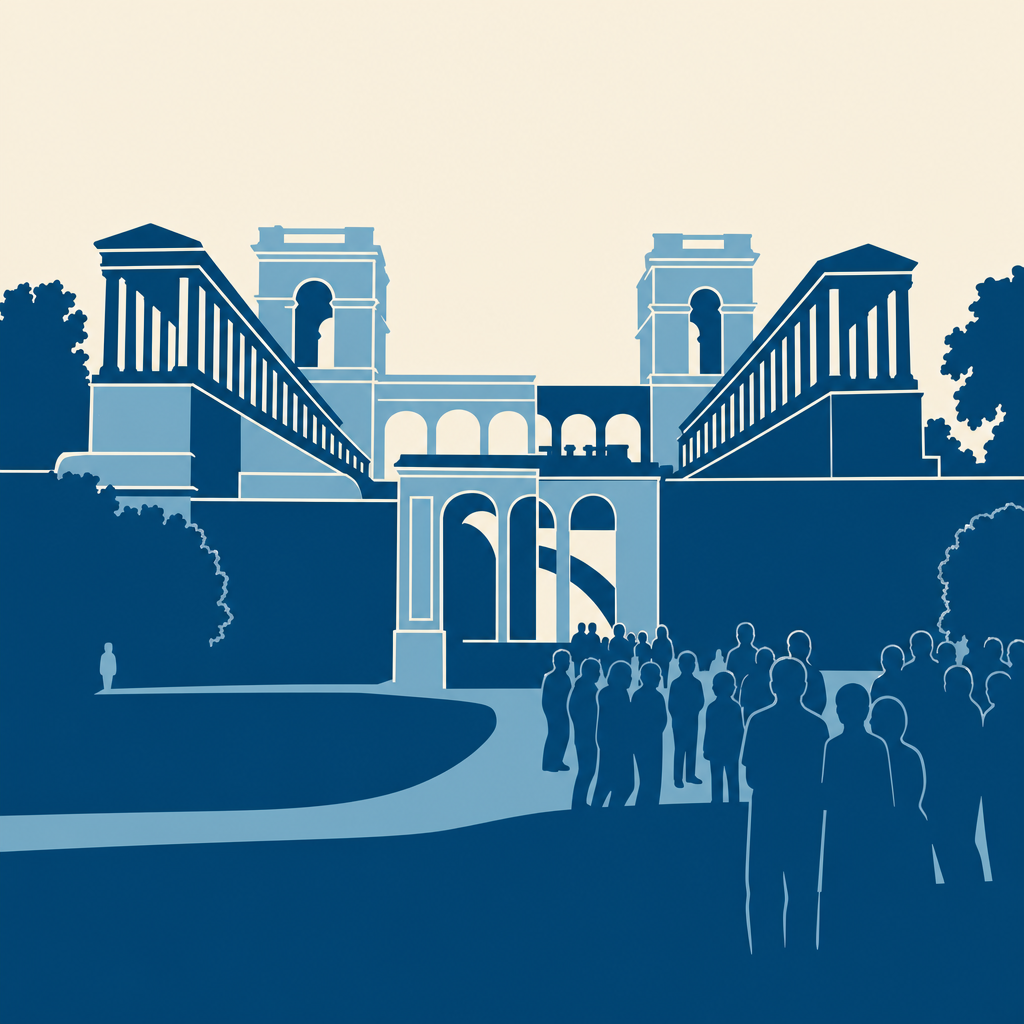
25 Years of Reopening at the Belvedere Pfingstberg: History, panorama, and jubilee feeling over Potsdam. 07/25/2026, from 8 Euros. #Potsdam #Belvedere
Culture in Nature – Grooving Smoothies
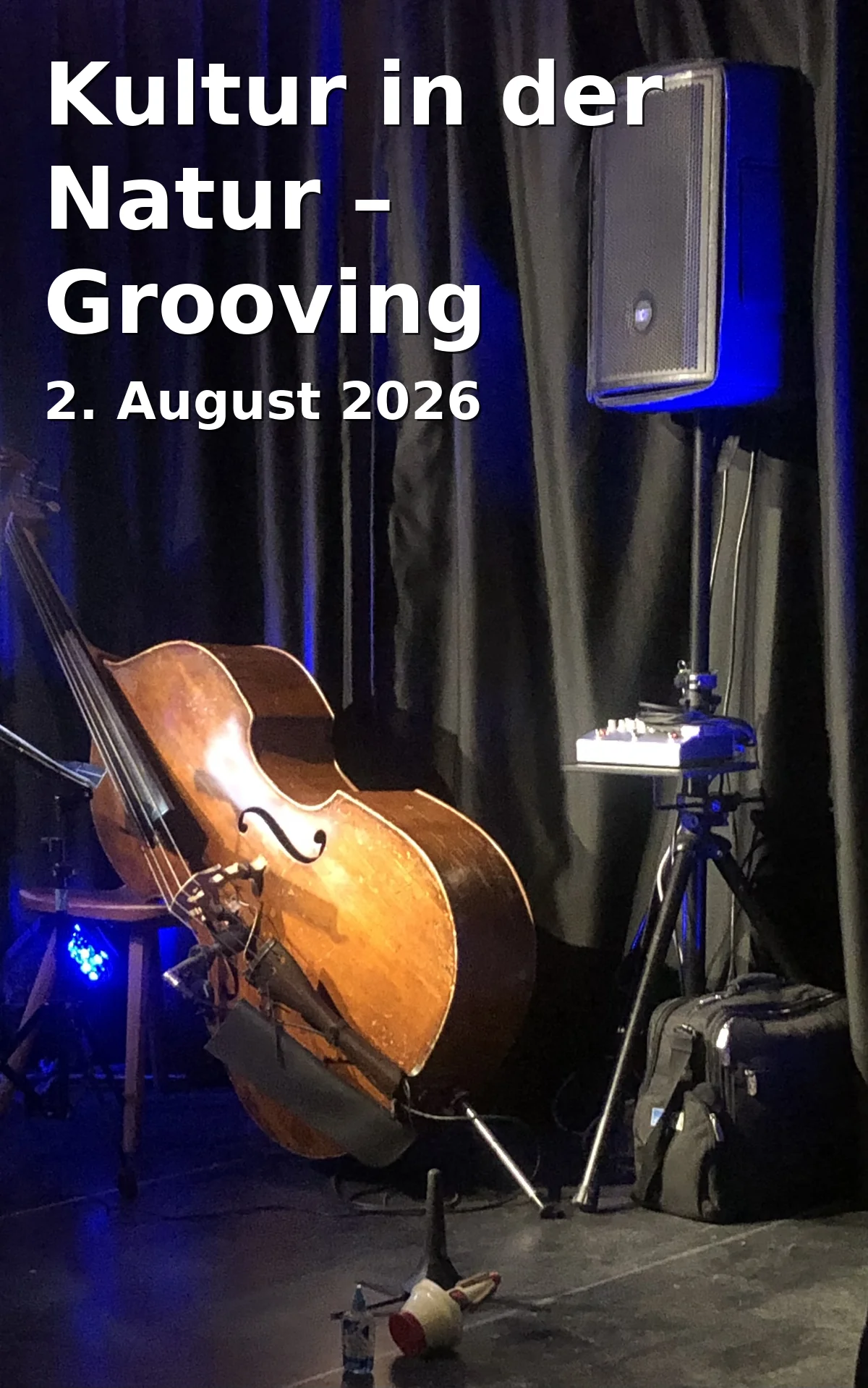
Experience Grooving Smoothies with jazz, Latin, and more at Belvedere Pfingstberg, Potsdam.
Frequently Asked Questions
Reviews
LA Choppers
11. May 2025
Beautiful historical site with stunning architecture and peaceful surroundings. Don’t miss the panoramic view from the top and the reflection pool below — perfect for photos and a quiet break.
Ana Veres
6. July 2024
Would be ordinary castle but water charges everything. Pool in the middle of the yard with a beautiful reflection of a castle. Gorgeous views from the rooftop. Nice gardens.
Z O L U
10. March 2024
After Sanssouci palace and gardens and the Barberini Museum, the Belvedere on the Pfingstberg may be next on the list of places to visit in Potsdam. In addition to a fantastic view, this place offers quiet spots to sit, relax and also to take in its history by walking through its small but very neat exhibition.
Phlapphlung Phermsap
23. July 2019
Beautiful and very quiet place. There is a small castle that is well cared for. There is a bathroom service, and you can buy tickets to visit the inside and walk up to see the viewpoint of this city. Near here there is a large lake but unfortunately I don't have time to go. There have park for bike and car.
Ji Hoon Lim
25. April 2022
Very nice place for walks and the panorama of the city. Unfortunately, I couldn’t go up the observatory (Apr 2022). I wish it had a better view of the city on the ground level of this establishment.