Attention Owl! at the Natural History Museum Potsdam: A Sign for Nature Conservation
Date and Time
Location
Price
About this Event
Mood
Venue Type
The Nature Conservation Owl: A Small Sign with a Big History
The special exhibition Attention Owl! A Sign for Nature Conservation at the Natural History Museum Potsdam is dedicated to a symbol that has accompanied generations of walkers through the forests, meadows, and marshes of Brandenburg. A black long-eared owl on a yellow background has stood for protected nature for decades and combines visual clarity with a dynamic history of nature conservation.
A Symbol Between Design and Nature Conservation History
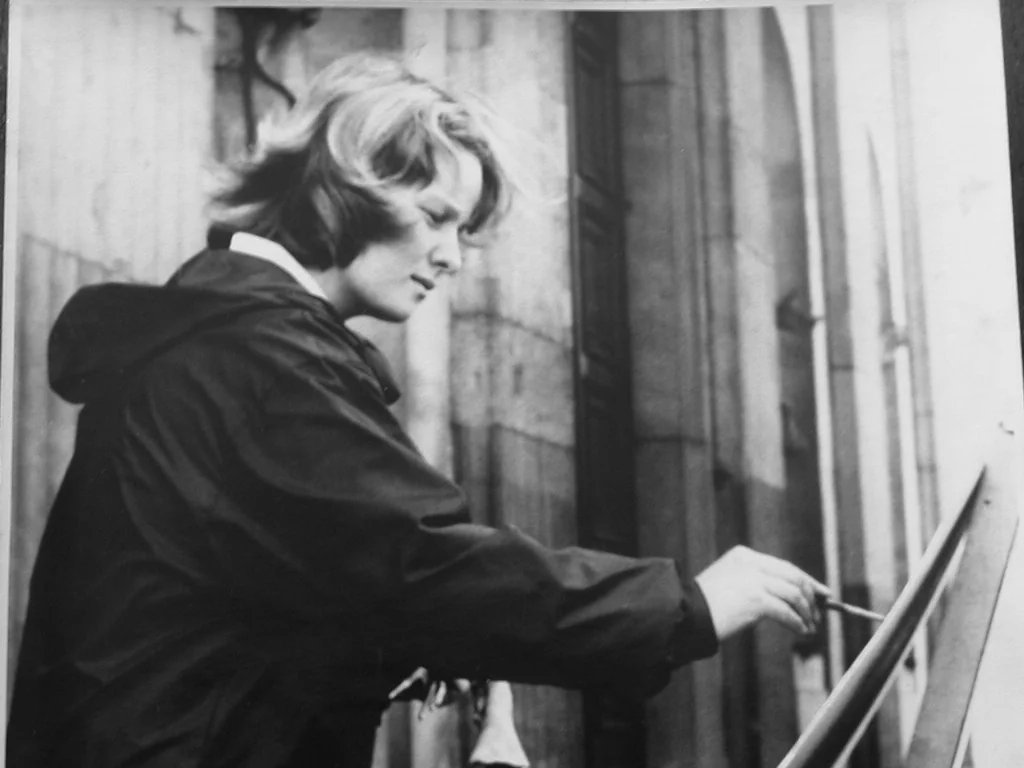
At the heart of the exhibition are Erna and Kurt Kretschmann from Bad Freienwalde. In the late 1940s, they, together with like-minded individuals, developed the owl motif that later became a defining symbol of nature conservation. The exhibition traces the emergence, design, and dissemination of this image and places it within the context of nature conservation history in the GDR.
Original Signs, Photographs, and Audiovisual Evidence
Historic photographs, original owl signs from different decades, documents, as well as film and audio contributions make the development of the motif sensually accessible. The examination of the work focuses not only on the form of the stylized owl but also on its societal effect: from graphic design to a widely understood symbol for protected areas and ecological responsibility.
Erna and Kurt Kretschmann in Focus
The exhibition tells the dynamic life story of the couple and their commitment to cultural education in nature conservation. Visitors encounter a narrative where observation, design, knowledge transmission, and practical environmental protection are closely linked. The curation shows how a personal conviction led to a lasting public symbol.
From GDR Nature Conservation Sign to a Nationwide Symbol
Through the Nature Conservation Act of the GDR in 1954, the owl became the official sign of protected nature. In the 1980s, it received its now well-known design with a yellow background. After the reunification of Germany, the conference of environmental ministers suggested in 1991 to use the motif nationwide. Thus, the owl transcends political and historical boundaries and today stands for a shared responsibility for landscapes, species, and habitats.
An Exhibition with Contemporary Relevance
The exhibition atmosphere connects historical materials with a current question: How does societal attention for nature and species conservation arise? The artistic experience lies in the connection between visual communication, everyday history, and ecological education. The aesthetic experience of the clear owl motif opens the view to the power of images and signs in public space.
The special exhibition has been extended until March 28, 2027. The Natural History Museum Potsdam is open from Tuesday to Sunday and on the first Monday of the month from 9 am to 5 pm. A visit to the museum provides the opportunity to connect the exhibition with the natural history collections of the house and to experience the history of nature conservation up close.
Conclusion: Seeing a Sign, Understanding Its History
Attention Owl! conveys more than the story of a well-known sign. The exhibition shows how design, nature conservation, and social engagement intertwine. Art enthusiasts, families, and nature-curious visitors can expect an illustrative examination with historical depth and contemporary significance. Those who want to understand how a simple image makes responsibility visible should definitely experience this artistic experience live at the Natural History Museum Potsdam.
Official Channels of the Natural History Museum Potsdam:
- Instagram: no official profile found
- Facebook: no official profile found
- YouTube: no official profile found
- Website: https://www.naturkundemuseum-potsdam.de/de