Attention Owl! at the Natural History Museum Potsdam: A Sign for Nature Conservation
Date and Time
Location
Price
About this Event
Mood
Venue Type
An Owl as a Symbol: Nature Conservation History at the Natural History Museum Potsdam
The special exhibition Attention Owl! A Sign for Nature Conservation is dedicated to one of the most well-known nature conservation symbols in Germany. At the Natural History Museum Potsdam, the exhibition tells the story of Erna and Kurt Kretschmann from Bad Freienwalde, who, in the late 1940s, developed the motif of a black long-eared owl on a yellow background with like-minded individuals.
Between Graphics, Memory, and Environmental History
The exhibition makes visible how a stylized animal representation became a widely recognized symbol of protected nature. Historical photographs, original owl signs, documents, as well as film and audio contributions guide visitors through the creation, design, and dissemination of the symbol. In doing so, the curation connects graphic history with GDR history, nature conservation practice, and cultural memory.
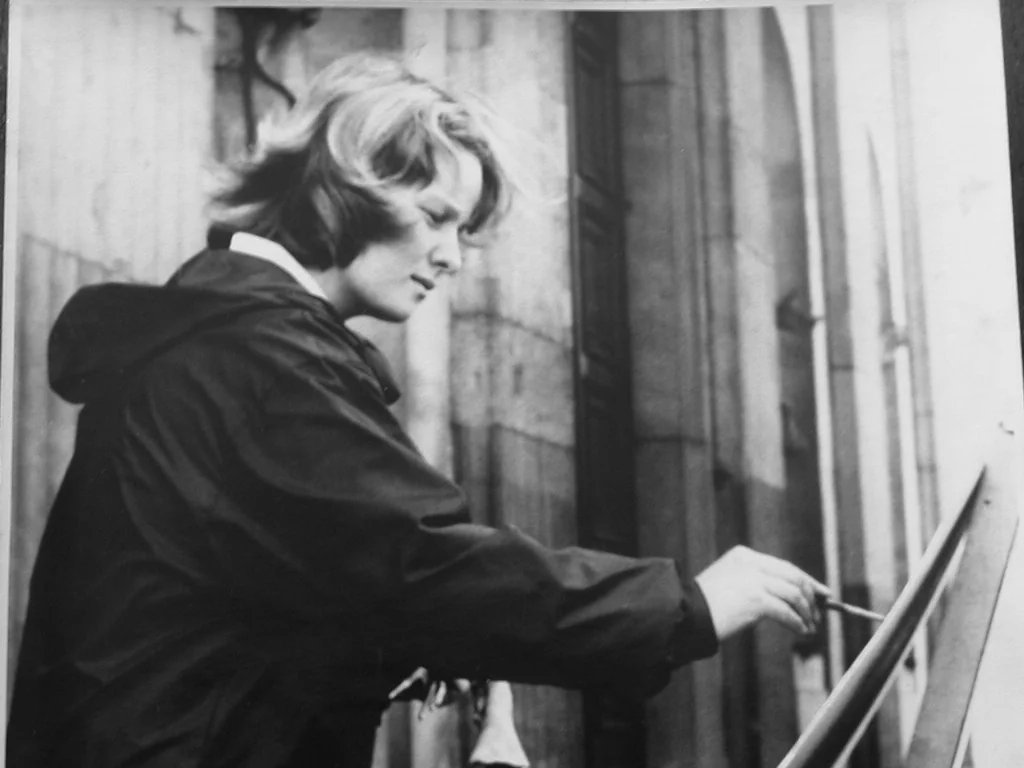
Erna and Kurt Kretschmann: Pioneers of Nature Conservation
At the center are the lively lives of the couple and their commitment to nature conservation. The black owl first appeared in printed form in October 1949 and became the official symbol of protected nature through the nature conservation law of the GDR in 1954. It was not until the 1980s that it acquired its familiar design with a yellow background.
A Symbol with Political and Social Impact
The work review shows that a nature conservation symbol can be much more than a graphic mark. In 1991, the Environmental Ministers' Conference suggested that the owl be used nationwide. This made the motif a unifying symbol across the German division, even though West German states continued to use the white-tailed eagle in a green triangle.
Aesthetic Experience and Cultural Education
The exhibition atmosphere arises from the interplay of clear sign form, historical image sources, and personal life stories. The reduced silhouette of the owl appears immediate and concise; at the same time, it opens up questions of responsibility, landscape protection, and the relationship between humans and nature. The art experience connects visual culture, political education, and natural science communication.
Accompanying Program and Extended Duration
Guided tours with the curators deepen the history of the symbol and place the exhibits within the development of nature conservation in the GDR. Due to great interest, the exhibition has been extended until March 28, 2027. It is accessible from Tuesday to Sunday and on the first Monday of the month from 9 AM to 5 PM.
Conclusion: Nature Conservation as a Visible Stance
Visitors can expect a concentrated, historically based exhibition on a small symbol with a big impact. Attention Owl! invites aesthetic experience, critical work contemplation, and engagement with today's environmental responsibility. Those who want to understand how design shapes societal memory will experience an impressive piece of culture and nature conservation history here.
Official Channels of the Natural History Museum Potsdam:
- Instagram: no official profile found
- Facebook: no official profile found
- YouTube: no official profile found
- Website: https://www.naturkundemuseum-potsdam.de