Attention Owl! A Nature Conservation Symbol Comes Alive at the Natural History Museum Potsdam
Date and Time
Location
Price
About this Event
Mood
Venue Type
An Owl as a Symbol for Protected Nature
The special exhibition Attention Owl! A Sign for Nature Conservation at the Natural History Museum Potsdam is dedicated to a symbol that has guided through Brandenburg’s forests, meadows, and marshlands for 75 years: the black eared owl on a yellow background. The artistic experience combines natural history, design, and political cultural history into an impressive examination of the origin of a nature conservation symbol that is still well-known today.
From Personal Engagement to Public Symbol
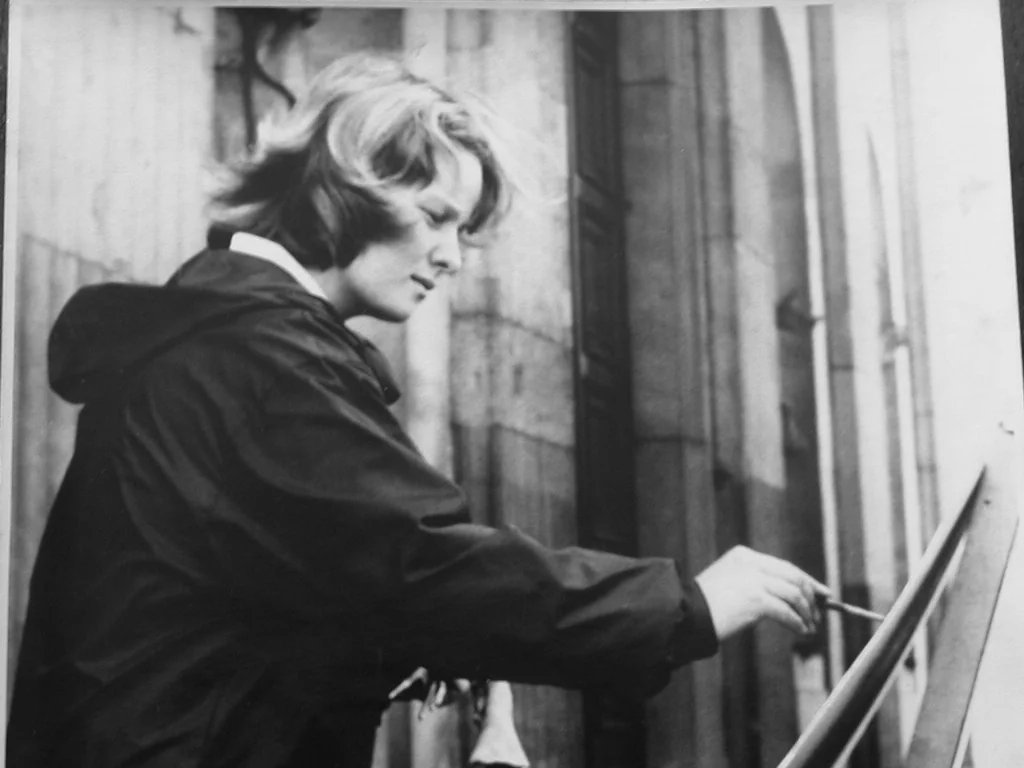
In focus are Erna and Kurt Kretschmann from Bad Freienwalde. In the late 1940s, they, along with like-minded individuals, developed the stylized owl as a visible sign for protected nature. The exhibition traces how a clear graphic form became a widely used emblem of nature conservation and what role the inventors played in the nature conservation history of the GDR.
Graphic Clarity and Historical Memory
The exhibition makes the aesthetic experience of a sign visible, which works through strong contrasts, reduced forms, and high recognizability. Historical photographs, original owl signs, documents, as well as film and audio contributions open up different approaches to the design, dissemination, and significance of the motif. The curation connects visual culture with ecological education and invites reflection on the relationship between imagery, public space, and nature conservation.
Nature Conservation Between GDR History and Present
The nature conservation sign simultaneously tells of idealism, social engagement, and the development of protected landscapes. With the Nature Conservation Act of the GDR in 1954, the owl received an official function; from the 1980s onwards, the design with a yellow background became firmly established. In 1991, the Environmental Ministers' Conference urged for the sign to be used nationwide. Thus, the exhibition becomes a cultural-historical quest between East and West.
A Lively Museum Experience
The exhibition does not see itself as a static presentation but as an invitation to cultural education. Visitors encounter historical image carriers, listen to eyewitness accounts, and discover how a nature conservation symbol becomes anchored in the collective memory. The exhibition atmosphere combines factual information with sensory examination of the work and opens up views on the effects of color, form, material, and signs in everyday life.
Conclusion: A Sign That Continues to Act
Attention Owl! shows how a simple graphic idea could evolve into a defining sign for nature awareness. Art historical design, environmental history, and personal biography intertwine at the Natural History Museum Potsdam. Those who wish to understand why this motif still generates attention will experience here an inspiring exhibition about memory, responsibility, and the visible language of nature conservation.
Official Channels of the Natural History Museum Potsdam:
- Instagram: no official profile found
- Facebook: no official profile found
- YouTube: no official profile found
- Website: http://www.naturkundemuseum-potsdam.de