Attention Owl! at the Natural History Museum Potsdam: Experience Nature Conservation as Cultural History
Date and Time
Location
Price
About this Event
Mood
Venue Type
A Little Owl Tells a Big Nature Conservation Story
The special exhibition Attention Owl! A Sign for Nature Conservation at the Natural History Museum Potsdam is dedicated to one of the most well-known German nature conservation symbols: the black-eared owl on a yellow background. On the occasion of the 75th anniversary, the exhibition shows how Erna and Kurt Kretschmann from Bad Freienwalde developed a sign in the late 1940s that still marks protected natural areas today.
Between Design, Memory, and Nature Conservation
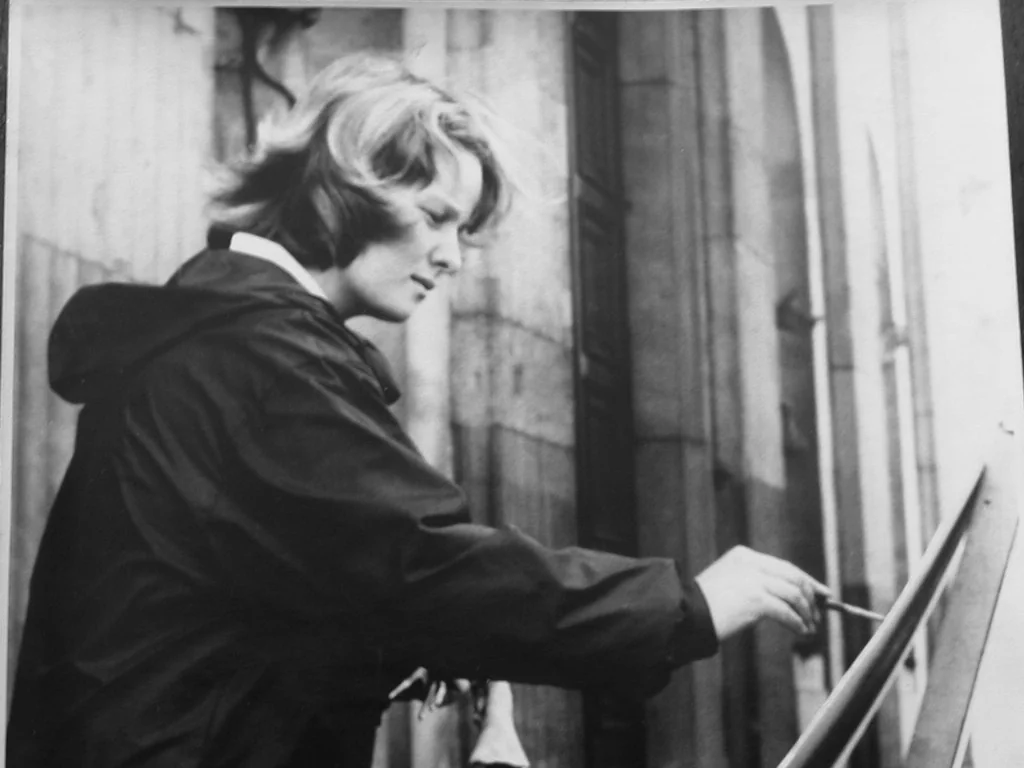
At its core is the story of a visual motif that points far beyond its function as a signpost. Historical photographs, original owl signs, documents, as well as film and audio contributions make visible how the nature conservation owl developed, spread, and became anchored in cultural memory. The exhibition connects design history, environmental education, and DDR nature conservation history into an illustrative study of the work.
Erna and Kurt Kretschmann as Pioneers
The curation focuses on the eventful lives of the couple Erna and Kurt Kretschmann and their visions for an engaged, intergenerational nature conservation. The owl motif emerged from the connection of graphic clarity, local ties, and practical nature conservation work. Through historical testimonies, it becomes tangible how an idea became a widely visible sign.
A Symbol in the Course of Time
The black owl on a yellow background stands for protected landscapes, biodiversity, and human responsibility towards the environment. The exhibition traces its development from the early design to the binding appearance of later decades. Loans from, among others, the House of Nature Care Bad Freienwalde, the Museum of Printing Arts Leipzig, and the Lower Nature Conservation Authority Potsdam broaden the historical perspective.
Exhibition Atmosphere and Cultural Education
The presentation invites a quiet, focused aesthetic experience. Among photographs, original signs, and audiovisual documents, an exhibition atmosphere emerges in which natural history, contemporary political history, and visual communication enter into dialogue. Additionally, the Natural History Museum Potsdam offers guided tours, lectures, and family programs. The permanent exhibitions on the wildlife of Brandenburg and the cold-water aquarium expand the artistic experience to include natural historical perspectives.
Conclusion: Experience Nature Conservation Visibly
Attention Owl! A Sign for Nature Conservation shows how a simple graphic form could become a lasting symbol for environmental awareness. Art enthusiasts, families, and nature-curious visitors experience a culturally and historically founded exhibition about design, memory, and responsibility. A visit to the Natural History Museum Potsdam enriches the contemplation of work with concrete insights into the history of nature conservation and makes the importance of this familiar sign immediately tangible.
Official Channels of the Natural History Museum Potsdam:
- Instagram: no official profile found
- Facebook: no official profile found
- YouTube: no official profile found
- Website: https://www.naturkundemuseum-potsdam.de