Tobias Morgenstern
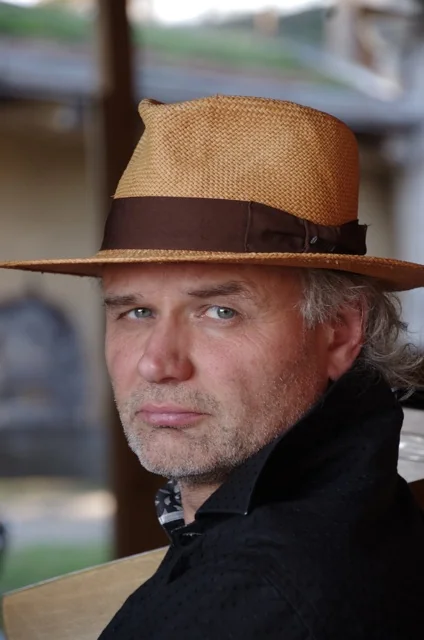
Image from Wikipedia
Image from Wikipedia
Tobias Morgenstern – Accordion Art Between Theater, Jazz, and Musical Boundary Crossing
An Artist Who Has Opened New Horizons for the Accordion
Tobias Morgenstern, born in 1960 in Dresden, is one of the defining German accordionists who has led his instrument far beyond traditional roles. As a composer, arranger, producer, and co-founder of the Theater am Rand, he represents a music career that interweaves stage presence, improvisation, and narrative power. His career merges East German musical socialization, classical training, and a consistent opening to jazz, chanson, world music, and theater. ([de.wikipedia.org](https://de.wikipedia.org/wiki/Tobias_Morgenstern?utm_source=openai))
Early Influences in Dresden and the Path to Professionalism
Morgenstern received his first accordion lessons at the age of six at the Paul Büttner District Music School in Dresden. He stood out early on for his compositional talent: his first symphonic work “Rondino Bambino” won an award at the orchestra competition during the DDR Music Days. This early connection between instrumental virtuosity and compositional thinking forms the foundation of his artistic development to this day. ([pantonale.com](https://www.pantonale.com/music-festival/de/archiv/die-musiker/tobias-morgenstern.php?utm_source=openai))
From 1986 onwards, he worked freelance as an accordionist, composer, arranger, and producer. This began a phase in which he positioned the accordion not as an accompanying instrument but as a central means of expression. It is here that the core of his authority emerges: Morgenstern thinks about music not only in melodies but in dramaturgy, timbre, and ensemble interaction. ([pantonale.com](https://www.pantonale.com/music-festival/de/archiv/die-musiker/tobias-morgenstern.php?utm_source=openai))
L’art de Passage: Jazz, Tango, Musette, and a Unique Sound Language
In 1987, Tobias Morgenstern, together with Stefan Kling and Rainer Rohloff, founded the group L’art de Passage. The name refers to the "art of encounter" and aptly describes the musical openness of the ensemble. The formation combined tango, musette, and classical music into a stylistically multifaceted overall statement, becoming a defining project within the German-speaking world music and jazz scene. ([verlag.buschfunk.com](https://verlag.buschfunk.com/kuenstler/lart-de-passage/?utm_source=openai))
The sustainability of this concept can also be attributed to Morgenstern's ability to make stylistic contrasts productive. He combines clear melodic lines with improvisational freedom, creating arrangements where the accordion shines solo at times and merges into chamber music at others. This balance between composition and spontaneity showcases his unique expertise as a musician. ([verlag.buschfunk.com](https://verlag.buschfunk.com/kuenstler/lart-de-passage/?utm_source=openai))
Theater am Rand: Music as Space, Body, and Narrative
In 1998, Morgenstern, along with actor Thomas Rühmann, founded the Theater am Rand in Zollbrücke in the Oderbruch. This project became a central focal point of his work and demonstrates how closely he thinks about music in relation to scene, language, and place. The Theater am Rand represents an artistic model in which concerts, readings, and stage forms flow into one another, making music an experience of a living process. ([pantonale.com](https://www.pantonale.com/music-festival/de/archiv/die-musiker/tobias-morgenstern.php?utm_source=openai))
In his stage works and productions, Morgenstern also appears as a musician with a narrative instinct. His collaboration with Thomas Rühmann, for instance in “Dshamilja” or in concert formats, expands his sound space to include literary and theatrical dimensions. It is precisely in this that a significant part of his cultural influence lies: he turns the accordion into an instrument of the stage and narrative. ([verlag.buschfunk.com](https://verlag.buschfunk.com/kuenstler/tobias-morgenstern/?utm_source=openai))
Productions, Collaborations, and Musical Versatility
Over the decades, Morgenstern has collaborated with a remarkable range of artists. BuschFunk lists projects with Armin Mueller-Stahl, Günther Fischer, the Gewandhaus Choir, Wenzel, and Thomas Rühmann, among others. His contributions span from songs to pop and stage music to orchestral works, highlighting his role as a versatile designer in the German music landscape. ([verlag.buschfunk.com](https://verlag.buschfunk.com/kuenstler/tobias-morgenstern/?utm_source=openai))
He is also present in the repertoire of other artists, such as on albums by Gerhard Schöne or Keimzeit. These contributions demonstrate how flexibly Morgenstern navigates between genres while still maintaining a distinct fingerprint. His playing is characterized by precision, lyrical warmth, and rhythmic agility—qualities that distinguish him in both studio and live situations. ([verlag.buschfunk.com](https://verlag.buschfunk.com/alben/die-sieben-gaben/?utm_source=openai))
Discography and Important Releases
The documented discography on BuschFunk and Spotify shows a continuous musical productivity. Important releases include “Morgenstern” (1998), “Milonga triste” (1999), “Die Weihnachtsrevue” (2007), “Dshamilja” (2013), “Hiddensounds” (2015), “Music for Theater and Film” (2017), “Water Never Appears” (2019), “Warm & Sunny Accordion” (2019), and “World Of Accordion” (2021). This selection reveals how strongly Morgenstern moves between solo work, ensemble sound, and theater-related formats. ([verlag.buschfunk.com](https://verlag.buschfunk.com/kuenstler/tobias-morgenstern/?utm_source=openai))
Notably striking is the range of ensembles: solo accordion, chamber music settings, music for film and theater, as well as projects with singers. His discography does not follow a simple genre template but a creative idea that establishes the accordion as a narrative instrument. The Spotify listings with titles like “Farmer’s Market,” “Cocktail Party,” or “Jazz Bossa” also attest to a playful, stylistically open aesthetic. ([verlag.buschfunk.com](https://verlag.buschfunk.com/kuenstler/tobias-morgenstern/?utm_source=openai))
Style, Sound Language, and Musical Development
Tobias Morgenstern's style can be described as a blend of technical control, melodic nobility, and improvisational openness. His music carries classical substance while remaining fluid within jazz, chanson, and world music. This permeability makes his musical development particularly exciting: he does not think of the accordion in a folklorically restricted way, but as an instrument with orchestral breadth and chamber music intimacy. ([pantonale.com](https://www.pantonale.com/music-festival/de/archiv/die-musiker/tobias-morgenstern.php?utm_source=openai))
Several sources highlight his special position as one of the most sought-after German accordionists. This is complemented by his work as a teacher and workshop leader at music universities in Weimar and Berlin, as well as his role as a jury member at the International Accordion Competition in Klingenthal. This connection of practice, mediation, and institutional work strengthens his authority far beyond the stage. ([de.wikipedia.org](https://de.wikipedia.org/wiki/Tobias_Morgenstern?utm_source=openai))
Current Projects, Theater Work, and Ongoing Presence
Currently, Tobias Morgenstern remains artistically visible. BuschFunk refers to upcoming releases and projects, while the Theater am Rand continues to present productions in which he appears as a pianist and accordionist. Event announcements for 2026 also hint at a project titled “Nordic Fusion Christmas,” confirming his role as a sought-after live artist. ([verlag.buschfunk.com](https://verlag.buschfunk.com/kuenstler/tobias-morgenstern/?utm_source=openai))
His presence in concerts, theater productions, and musical collaborations shows a rare continuity. Morgenstern is not an artist of large pop schemas but one rooted in sustainable, content-rich work. This is where his artistic strength lies: over decades, he has built a body of work nourished by relationships, places, and soundspaces. ([verlag.buschfunk.com](https://verlag.buschfunk.com/kuenstler/tobias-morgenstern/?utm_source=openai))
Cultural Influence and Significance
Tobias Morgenstern has significantly expanded the image of the accordion in German music. He demonstrates that the instrument can embody not just tradition, but also modernity, theater, improvisation, and musical boundary crossing. His influence is evident in the way he connects genres and establishes the accordion as a serious voice within contemporary culture. ([verlag.buschfunk.com](https://verlag.buschfunk.com/kuenstler/lart-de-passage/?utm_source=openai))
His artistic biography exemplifies a generation of East German musicians who opened up new production and performance spaces after 1989. Morgenstern did not use this freedom for randomness but for profile building: he connected regional roots with internationally compatible forms. As a result, his work has both documentary and vibrant value for music lovers and cultural historians alike. ([verlag.buschfunk.com](https://verlag.buschfunk.com/kuenstler/tobias-morgenstern/?utm_source=openai))
Conclusion: Why Tobias Morgenstern Remains Intriguing
Tobias Morgenstern captivates because he never regards virtuosity as an end in itself. His music career unites composition, arrangement, theater work, and livable energy into a distinctive overall picture. Those seeking music that speaks to the mind, body, and stage will find an artist of extraordinary depth here. Experiencing him live means hearing an instrument in all its narrative power. ([verlag.buschfunk.com](https://verlag.buschfunk.com/kuenstler/tobias-morgenstern/?utm_source=openai))
Official Channels of Tobias Morgenstern:
- Instagram: No official profile found
- Facebook: No official profile found
- YouTube: No official profile found
- Spotify: https://open.spotify.com/intl-de/artist/028yRQCb0DCYbOV0yug3xy
- TikTok: No official profile found