
Sebastian Schipper
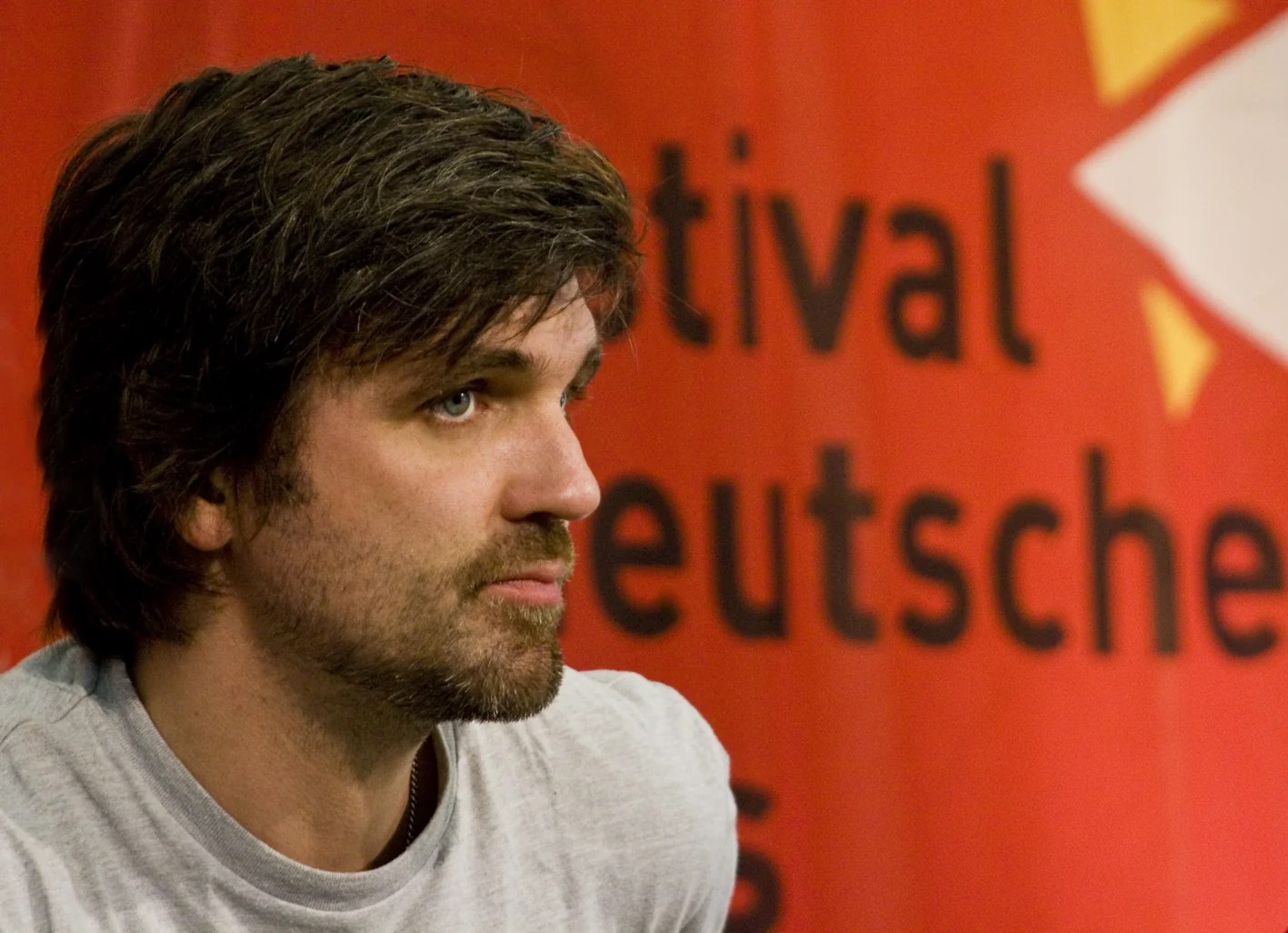
Image from Wikipedia
Image from Wikipedia
Sebastian Schipper – Actor, Director, and Risk as an Art Form
A German filmmaker straddling joy of play, precision, and radical cinema
Sebastian Schipper, born on May 8, 1968, in Hannover, is one of the most distinctive personalities in German film. As an actor and director, he has earned a reputation for works that combine energy, pace, and formal boldness. His career began on stage and in front of the camera, but he found his greatest brilliance as a filmmaker who always intertwines storytelling with a clear formal ambition. ([de.wikipedia.org](https://de.wikipedia.org/wiki/Sebastian_Schipper?utm_source=openai))
Biography: From Acting Studies to a Prominent Face of German Cinema
After graduating from the Gymnasium Eversten in Oldenburg, Schipper studied acting from 1992 to 1995 at the Otto Falckenberg School in Munich. During this time, he appeared in Sönke Wortmann's comedy Kleine Haie, followed by significant supporting roles in productions such as The English Patient, Winterschläfer, Lola rennt, and The Warrior and the Empress. These early stages show an actor who does not rely on rigid types but stands out through presence, timing, and a calm, focused aura. ([de.wikipedia.org](https://de.wikipedia.org/wiki/Sebastian_Schipper?utm_source=openai))
His acting career is closely tied to the rise of New German Cinema in the 1990s. Schipper worked with directors like Tom Tykwer and Romuald Karmakar and established himself in an environment that emphasized formal precision and contemporary themes. This early closeness to innovative styles later influenced his own directing work, where rhythmic storytelling and unconventional dramaturgy play central roles. ([munzinger.de](https://www.munzinger.de/register/portrait/biographien/Sebastian%2BSchipper/00/27988?utm_source=openai))
Directorial Debut with Impact: Absolute Giganten and the First Major Breakthrough
With Absolute Giganten, Sebastian Schipper made his feature film debut as a director and writer in 1999. The film won the German Film Award in Silver and immediately made Schipper visible as a director who tells stories of youth, friendship, and urban restlessness with emotional directness. This production marked the transition from a sought-after actor to an independent author-filmmaker with a distinct signature. ([filmportal.de](https://www.filmportal.de/person/sebastian-schipper_6158975479ed42aa8201ca06edbec6ff?utm_source=openai))
Even this debut revealed what would later characterize Schipper's works: a love for risk, a sense of dynamism, and the will to closely intertwine form and feeling. His characters rarely act in clearly defined paths; rather, tension and energy arise from movement, conversations, and moments of loss of control. This precisely defines the enduring quality of his cinema. ([filmportal.de](https://www.filmportal.de/person/sebastian-schipper_6158975479ed42aa8201ca06edbec6ff?utm_source=openai))
From Ein Freund von mir to Victoria: The Artistic Pinnacle
In 2006, Ein Freund von mir followed as his second major directing work, anchored by Jürgen Vogel, Daniel Brühl, and Sabine Timoteo. The film confirmed Schipper as a director who can balance deadpan humor, situational comedy, and emotional intensity. Rather than resorting to gimmicks, he focused on a precise observation of relationships, body language, and social friction. ([filmportal.de](https://www.filmportal.de/person/sebastian-schipper_6158975479ed42aa8201ca06edbec6ff?utm_source=openai))
The decisive leap into international recognition came with Victoria, a heist film shot in a single continuous take, which premiered in the main competition at the Berlinale in 2015. The response was extraordinary, as the film not only presented a technical feat but also generated an immersive tension that immediately drew the audience into the night of Berlin. Critics described the work as exceptionally powerful and one of the most significant German cinema pieces of recent years. ([de.wikipedia.org](https://de.wikipedia.org/wiki/Sebastian_Schipper?utm_source=openai))
Cinematic Language: Movement, Real-Time, and the Courage for Formal Intensification
Schipper's directing style thrives on the compression of moments. Particularly in Victoria, it becomes clear how much he is interested in a sense of real time, physical presence, and an immediate play with space and duration. The staging does not appear static but rather nervous, breathing, and unpredictable; this intensity is what makes his works so appealing to festival audiences and critics alike. ([zeit.de](https://www.zeit.de/kultur/film/2015-02/sebastian-schipper-victoria-interview?utm_source=openai))
This attitude is also evident in later projects. Schipper does not seek comfortable solutions, but rather narrative friction, open energy, and a cinematic form that does not smooth out the material but sharpens it. This explains why his films are repeatedly seen as significant contributions to contemporary German cinema: they connect emotional accessibility with formal consistency. ([filmportal.de](https://www.filmportal.de/person/sebastian-schipper_6158975479ed42aa8201ca06edbec6ff?utm_source=openai))
Roads and the International Expansion of His Cinema
With Roads, Schipper began a new project in 2017 that was released in theaters in 2019. The road movie tells the story of two very different 18-year-olds who travel through Europe in a stolen luxury campervan from Morocco and along the way experience a lasting transformation in their lives. The premise already shows Schipper's interest in border experiences, encounters on the road, and a visual language that understands movement as an existential state. ([filmportal.de](https://www.filmportal.de/person/sebastian-schipper_6158975479ed42aa8201ca06edbec6ff?utm_source=openai))
This made his work even more internationally accessible. While Absolute Giganten and Ein Freund von mir are deeply rooted in German contemporary cinema, Roads opens the view to European spaces, migration, social inequality, and youthful self-exploration. Schipper thus connects personal urgency with political and geographical breadth. ([filmportal.de](https://www.filmportal.de/person/sebastian-schipper_6158975479ed42aa8201ca06edbec6ff?utm_source=openai))
Filmography and Critical Reception: A Name of Significance in the German Film Landscape
As an actor and director, Sebastian Schipper is listed alongside the defining names of German cinema over the last three decades. His filmography includes roles in productions such as The English Patient, Winterschläfer, Lola rennt, The Warrior and the Empress, Elefantenherz, and Die Nacht singt ihre Lieder, while his directorial works are noted for their formal uniqueness and presence at festivals. ([de.wikipedia.org](https://de.wikipedia.org/wiki/Sebastian_Schipper?utm_source=openai))
Critics particularly applauded Victoria as an event film that infused German cinema with new urgency. Reports around Absolute Giganten and Ein Freund von mir also emphasize Schipper's ability to combine popular accessibility with artistic ambition. This combination explains his enduring significance: he does not work at the margins of film culture, but at its core, with a clear signature and high recognizability. ([stern.de](https://www.stern.de/kultur/film/themen/sebastian-schipper-4180888.html?utm_source=openai))
Current Projects and Recent Presence
The publicly well-documented sources show Schipper primarily as a continued prominent name in the context of his existing directorial works, festivals, and retrospectives. A clearly documented new film project following Roads cannot be distinctly verified in the available sources. Thus, for the classification of his works, it is primarily decisive how his previous works are further referenced in press, festival programs, and film biographies. ([filmportal.de](https://www.filmportal.de/person/sebastian-schipper_6158975479ed42aa8201ca06edbec6ff?utm_source=openai))
Style and Cultural Influence
Sebastian Schipper exemplifies cinema that thinks from the moment while being precisely constructed. His works combine acting art, direction, ensemble leadership, and visual dramaturgy into a clear signature that remains immediately recognizable in German film. This balance of instinct and control makes him interesting for both cultural criticism and audiences alike. ([filmportal.de](https://www.filmportal.de/person/sebastian-schipper_6158975479ed42aa8201ca06edbec6ff?utm_source=openai))
His cultural influence lies less in a large number of films but rather in their impact. Schipper has shown that contemporary German narratives can compete internationally when they are boldly and emotionally precisely staged. He is thus a filmmaker who does not merely manage the possibilities of cinema but pushes them to their limits. ([de.wikipedia.org](https://de.wikipedia.org/wiki/Sebastian_Schipper?utm_source=openai))
Conclusion: Why Sebastian Schipper Remains Interesting
Sebastian Schipper fascinates as an artist because he does not shy away from risk and yet never loses touch with the audience. His career showcases a rare transition from a striking actor to an independent director whose films stand out for formal boldness and emotional directness. Those who love German cinema will find in Schipper a name that embodies energy, attitude, and cinematic independence. ([munzinger.de](https://www.munzinger.de/register/portrait/biographien/Sebastian%2BSchipper/00/27988?utm_source=openai))
Anyone experiencing his work live at festivals, retrospectives, or revivals will quickly sense why these films resonate: they are dense, immediate, and full of movement. Sebastian Schipper remains a director whose works are meant not only to be seen but to be experienced. ([de.wikipedia.org](https://de.wikipedia.org/wiki/Sebastian_Schipper?utm_source=openai))
Official Channels of Sebastian Schipper:
- Instagram: no official profile found
- Facebook: no official profile found
- YouTube: no official profile found
- Spotify: no official profile found
- TikTok: no official profile found