
Pavel Kohout
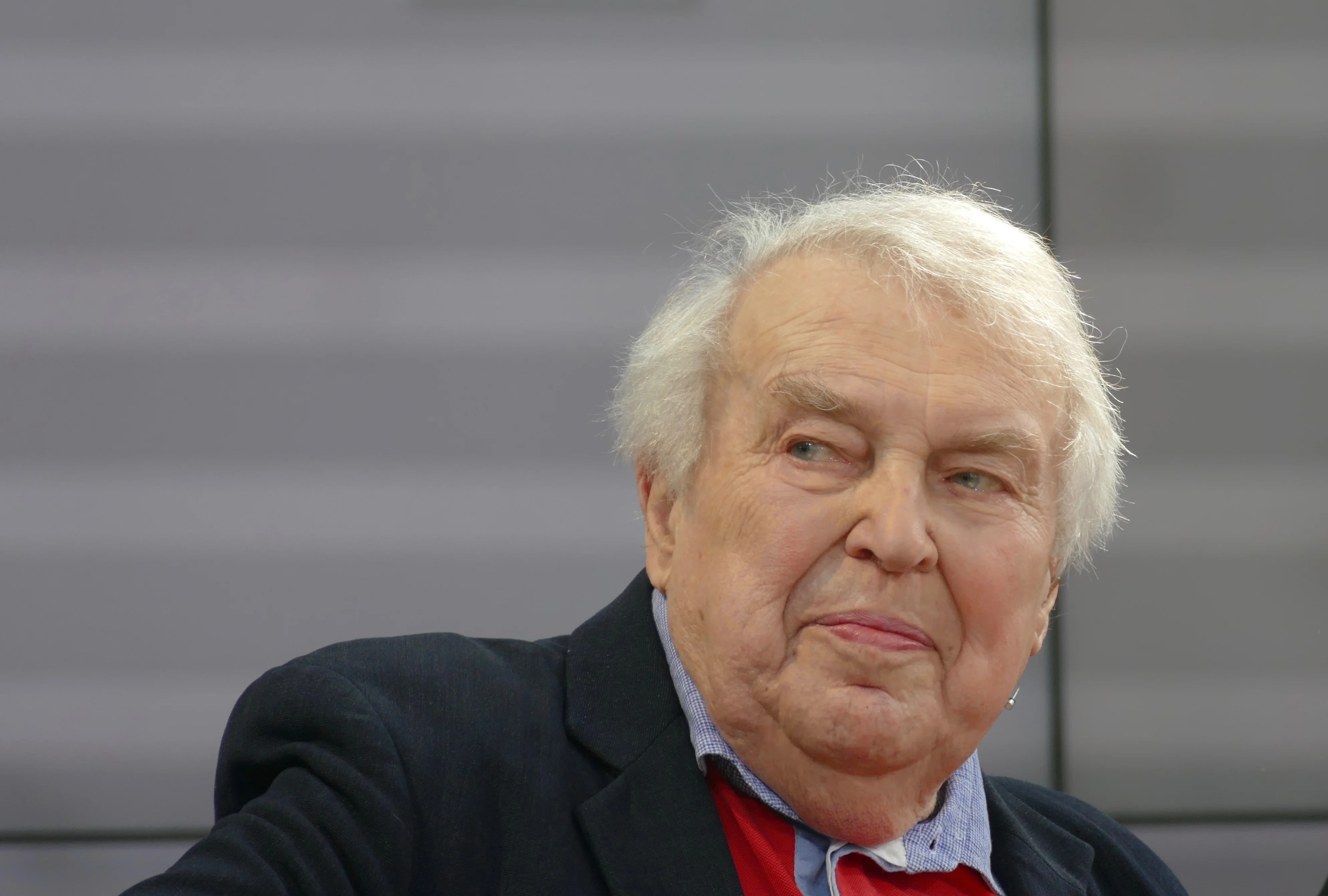
Image from Wikipedia
Image from Wikipedia
Pavel Kohout – A Life Between Literature, Conscience, and European Contemporary History
The Writer Pavel Kohout: From Party Poet to a Defining Dissident
Pavel Kohout, born on July 20, 1928, in Prague, is one of the most notable Czech-Austrian intellectuals of the 20th century. His life path intertwines literature, theater, political conflicts, and exile in a way that goes far beyond a classic artist biography. As a writer, theater artist, civil rights activist, and politician, he became a voice exemplifying the tensions between ideology and individual responsibility. ([de.wikipedia.org](https://de.wikipedia.org/wiki/Pavel_Kohout))
Prague Origins, Early Influence, and Literary Awakening
Kohout grew up in Prague in the family of a civil servant and completed his secondary education there. He then studied Comparative Literature, Aesthetics, and Theater Studies at the Faculty of Arts of Charles University. Even as a student, he was politically active, being a member of the Czechoslovak Youth Association and working with the Disman Children's Radio Ensemble, which highlights his early connection to language, voice, and stage. ([zivotopis.spisovatele.cz](https://zivotopis.spisovatele.cz/pavel-kohout.php))
His entry into literature did not occur from an ivory tower, but in close proximity to the cultural everyday life of the post-war period. After graduation, Kohout worked at Czechoslovak Radio, later as a cultural attaché in Moscow, and then as editor-in-chief of the satire magazine Dikobraz. These stages demonstrate a career that early on moved between journalistic practice, institutional cultural work, and political public life. ([zivotopis.spisovatele.cz](https://zivotopis.spisovatele.cz/pavel-kohout.php))
The 1950s and 1960s: From Conformist Author to Critical Voice
Kohout began his literary career with children's rhymes, poems, and early dramatic works. In the 1950s, he initially worked as an author within the cultural system of then Czechoslovakia, before his position increasingly changed. His early plays include Dobrá píseň, Zářijové noci, and Taková láska; this phase was later followed by pieces that sharpened his dramatic signature. ([zivotopis.spisovatele.cz](https://zivotopis.spisovatele.cz/pavel-kohout.php))
The time of political upheaval proved especially formative: Kohout joined the Prague Spring and transformed from a convinced Stalinist into one of the country’s most prominent reformist communist and later opposition voices. In 1967, he read Alexander Solzhenitsyn's protest letter at the Congress of the Soviet Writers' Union; in 1969, he was expelled from the Communist Party and the Writers' Union. His biography thus exemplifies the break between state loyalty and moral self-correction. ([ct24.ceskatelevize.cz](https://ct24.ceskatelevize.cz/clanek/kultura/ze-by-to-nekoho-poucilo-to-ne-devadesat-let-pavla-kohouta-76748))
Exile, Censorship, and the International Dimension of His Work
With the normalization after 1968, a phase of bans and exclusion began for Kohout. His texts could not be published in Czechoslovakia for a while, and in 1979 he, along with his wife, was denied reentry and stripped of his citizenship. However, in Austrian exile, especially in Vienna, his work continued to develop and gained an international perspective that distilled his political experiences into literature. ([zivotopis.spisovatele.cz](https://zivotopis.spisovatele.cz/pavel-kohout.php))
Germany's Deutschlandfunk describes Kohout's years in exile as the most compelling phase of his biography: He regularly traveled from Vienna to Germany, staged his plays at theaters in Hamburg and Berlin, and read from his works nationwide. This combination of writing and physical presence made him an author whose texts were not only read but also physically and publicly negotiated. His theatrical work thus became part of his artistic development and political self-assertion. ([deutschlandfunk.de](https://www.deutschlandfunk.de/vom-stalinisten-zum-wortfuehrer-des-prager-fruehlings-100.html))
Important Works, Theater Successes, and Narrative Range
Among the most well-known titles in Kohout's oeuvre are the plays August, August, august, Taková láska, Zářijové noci, and Dobrá píseň. On the prose and memoir side, works include Z deníku kontrarevolucionáře, Maryně, Nápady svaté Kláry, Hodina tance a lásky, Kde je zakopán pes, Sněžím, Hvězdná hodina vrahů, and Ten žena, ta muž. This range showcases an author who intertwines satire, historical reflection, moral analysis, and political experience. ([zivotopis.spisovatele.cz](https://zivotopis.spisovatele.cz/pavel-kohout.php))
His dramatic signature was maintained over decades. The Czech press highlights that his adaptations of literary works drew attention as early as the 1960s, including Cesta kolem světa za 80 dní, Válka s mloky, and the Švejk adaptation Josef Švejk aneb Tak nám zabili Ferdinanda a jiné citáty z Osudů dobrého vojáka Švejka. Kohout also served as a dramaturg at the Theater am Weinberg and was recognized there as the most frequently staged original author. ([ct24.ceskatelevize.cz](https://ct24.ceskatelevize.cz/clanek/kultura/ze-by-to-nekoho-poucilo-to-ne-devadesat-let-pavla-kohouta-76748))
Style, Themes, and Literary Signature
Kohout's style combines narrative clarity with political sharpness. His novels and stage works revolve around responsibility, abuse of power, moral entanglement, and the price of ideology. In texts like Hodina tance a lásky or Kde je zakopán pes, the historical experience of the 20th century is not only described but also dissected literarily. ([zivotopis.spisovatele.cz](https://zivotopis.spisovatele.cz/pavel-kohout.php))
The special strength of his works lies in the connection between personal biography and collective history. Kohout writes not abstractly about systems, but from the experience of adaptation, distanciation, exclusion, and renewal. This creates a literary profile that carries both dramaturgical precision and essayistic reflection, making his texts equally fruitful for theater, reading stages, and novel forms. ([zivotopis.spisovatele.cz](https://zivotopis.spisovatele.cz/pavel-kohout.php))
Political Impact and Cultural Influence
Kohout was not only an author but also a co-founder of Charter 77, one of the central civil rights initiatives in late Czechoslovakia. His commitment made him a symbolic figure of resistance against state repression. This role extended far beyond literature and significantly shaped his public image in the Czech Republic, Austria, and Germany. ([zivotopis.spisovatele.cz](https://zivotopis.spisovatele.cz/pavel-kohout.php))
After 1989, Kohout could publish again in the Czech Republic; he lived between Prague and Vienna and continued to appear as a speaker and author. His biography has been widely discussed because it shows the ambivalence of an intellectual who shifted from ideological certainty to a critical, self-reflective stance. This development makes him culturally significant: he represents the possibility of productively processing political errors through literature. ([de.wikipedia.org](https://de.wikipedia.org/wiki/Pavel_Kohout))
Awards and Late Recognition
The list of his honors reflects the international recognition of his work. Kohout received, among others, the Franz-Theodor-Csokor Prize, the Austrian State Prize for European Literature, The Glass of Reason, the Austrian Cross of Honour for Science and Art 1st Class, the Grand Cross of the Order of Merit of the Federal Republic of Germany, and the Art Prize for German-Czech Understanding. These awards not only mark literary recognition but also the political and cultural significance of his life's work. ([de.wikipedia.org](https://de.wikipedia.org/wiki/Pavel_Kohout))
The fact that a television miniseries like Sternstunde der Mörder is based on a novel by Kohout demonstrates his continuing relevance in contemporary media and cultural life. His work remains engaging because it does not linger in the past but articulates conflicts of power, morality, and memory in a way that resonates with today's readers. ([de.wikipedia.org](https://de.wikipedia.org/wiki/Pavel_Kohout))
Conclusion: Why Pavel Kohout Continues to Fascinate
Pavel Kohout fascinates because his life uniquely reflects the ruptures of the 20th century: communist seduction, repression, exile, return, and literary self-inquiry. His books and plays unite political diagnosis with narrative energy and stage presence. Those who read Kohout or experience him on stage encounter an author who not only writes but transforms history into literature. ([zivotopis.spisovatele.cz](https://zivotopis.spisovatele.cz/pavel-kohout.php))
This blend of intellectual sharpness, moral depth, and European experience keeps him perpetually relevant. Pavel Kohout remains an author for all who understand literature as a stance and want to experience the tension between art, conscience, and contemporary history in its full urgency. His plays and novels deserve both the stage and renewed reading. ([de.wikipedia.org](https://de.wikipedia.org/wiki/Pavel_Kohout))
Official Channels of Pavel Kohout:
- Instagram: No official profile found
- Facebook: No official profile found
- YouTube: No official profile found
- Spotify: No official profile found
- TikTok: No official profile found