
Franz Benda
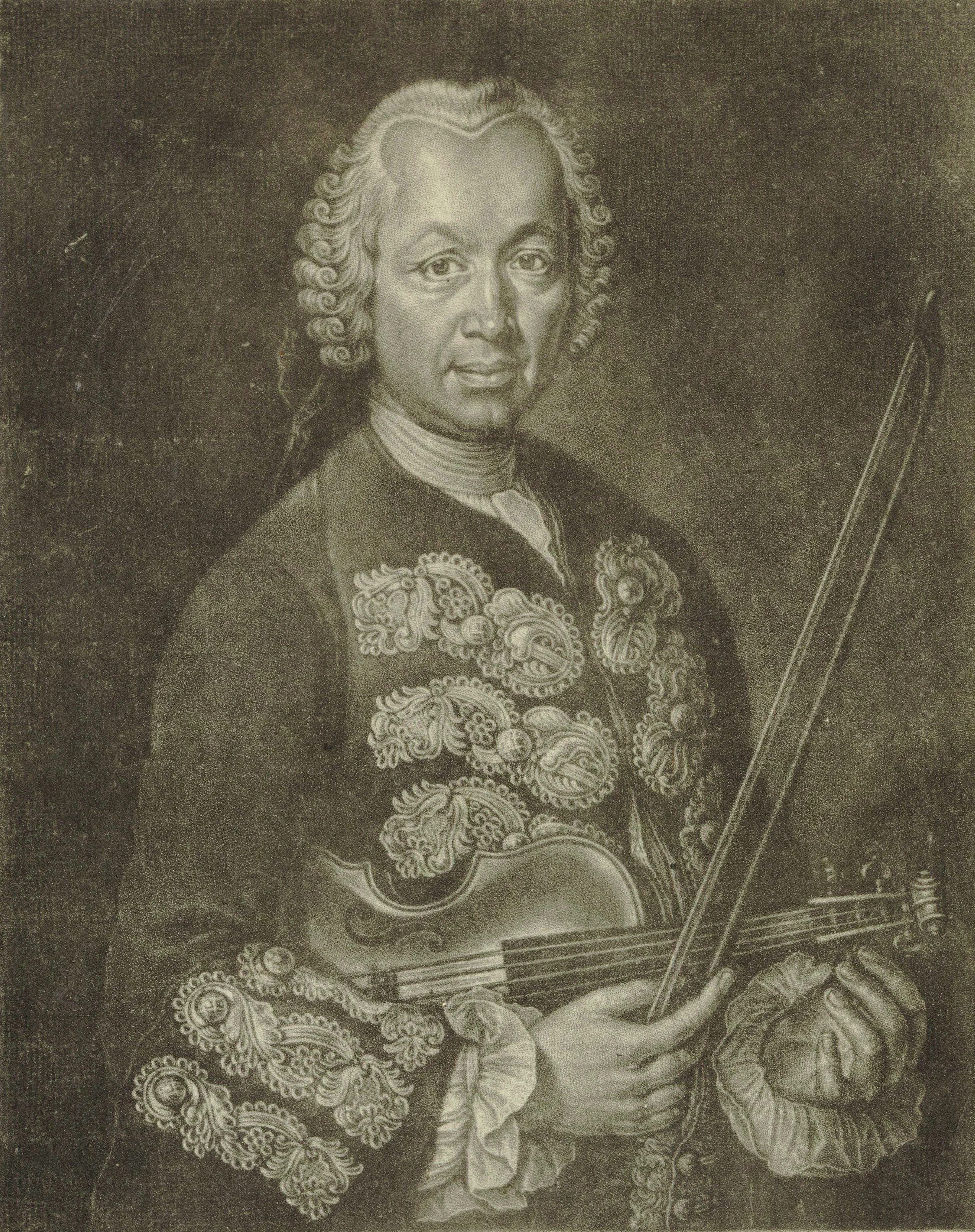
Image from Wikipedia
Image from Wikipedia
Franz Benda: The Great Sound Poet of Prussian Court Music
A Virtuoso Between Czech Heritage and European Music Culture
Franz Benda, also known as František Benda, is among the defining violinists and composers of the 18th century. Born on November 22, 1709, in Benátky nad Jizerou and passing away on March 7, 1786, near Potsdam, he transformed from a Czech musician with a Catholic upbringing into a central figure of Prussian court music. His career combines musical excellence, court representation, and a remarkable stylistic independence that continues to resonate in music history. ([britannica.com](https://www.britannica.com/biography/Frantisek-Benda?utm_source=openai))
Background, Education, and Early Influence
Franz Benda came from a music-loving family and was the oldest of the surviving children of the linen weaver Hans Georg Benda and his wife Dorothea. His early years began as a choir boy at a Benedictine monastery before he turned to the violin and embarked on a career that made him well-known far beyond Bohemia. His development exemplifies the generation of European musicians who grew up amid ecclesiastical education, regional traditions, and international mobility. ([de.wikipedia.org](https://de.wikipedia.org/wiki/Franz_Benda?utm_source=openai))
His musical education took him to Prague and Vienna, where he deepened his violin practice. Sources report that he studied in Vienna with Johann Gottlieb Graun, who was connected to Italian virtuosic culture. These stages were crucial for Benda’s later style: technical brilliance, fluid phrasing, and a lyricism that characterized both his playing and composition. ([en.wikipedia.org](https://en.wikipedia.org/wiki/Franz_Benda?utm_source=openai))
The Path to the Prussian Court
A turning point in Benda’s music career was his entry into the service of the later Frederick II of Prussia in 1732. He became a member of the court orchestra and later rose to the position of concertmaster. This change not only provided him stability but also created an environment where his talent could flourish under excellent conditions. At the courts of Berlin and Potsdam, he collaborated with significant musicians and became part of that elite that made the Prussian court a European center of musical life. ([en.wikipedia.org](https://en.wikipedia.org/wiki/Franz_Benda?utm_source=openai))
The court chapel under Frederick II was marked by high stylistic discipline and artistic ambition. Benda adapted to this aesthetic without losing his own signature. His position allowed him to have an impact both as a soloist and as a conductor and composer. Particularly noteworthy is that he remained in the king's service for decades, achieving a rare continuity during a time when musician biographies were often shaped by instability and turnover. ([en.wikipedia.org](https://en.wikipedia.org/wiki/Franz_Benda?utm_source=openai))
The Violinist of Extraordinary Radiance
Contemporary reports depict him as a virtuoso with extraordinary control over technique and expression. His playing was praised for its cantabile quality, tasteful embellishments, and warm, singing tone. The sources describe him as a master of the most difficult passages, whose highest notes stood out for their elegance and sweetness. It is this combination of technical precision and lyrical nobility that makes his rank as a violinist so significant. ([britannica.com](https://www.britannica.com/biography/Frantisek-Benda?utm_source=openai))
Particularly revealing is the statement that he played an enormous number of concerts throughout his long musical life. Such reports underline not only his endurance but also the central role of performance practice in his career. Benda was not just a musician of grand gestures; he was an artist of daily work, repetition, stylistic sensitivity, and court functionality. ([en.wikipedia.org](https://en.wikipedia.org/wiki/Franz_Benda?utm_source=openai))
Composer Between Sensibility and Courtly Elegance
As a composer, Franz Benda left behind primarily instrumental works, including symphonies, violin concertos, flute concertos, trio sonatas, and violin sonatas with basso continuo. His music navigates the tension between Baroque tradition and early classical clarity. This transitional position makes his contribution culturally and historically interesting: he is one of those composers who shaped the path from the contrapuntal language of the Baroque to a more melodic, sensitive style of expression. ([kulturstiftung.org](https://kulturstiftung.org/biographien/benda-franz-2?utm_source=openai))
Benda’s compositional handwriting shows a preference for lyrical lines, elegant ornamentation, and clear formal design. His works speak the language of a musician who understood the violin not only as a solo instrument but as a carrier of human affections. In the context of Prussian court music, these qualities were particularly convincing because they connected Frederick II’s taste with a nuanced, unladen tonal language. ([kulturstiftung.org](https://kulturstiftung.org/biographien/benda-franz-2?utm_source=openai))
Historical Significance and Influence
Franz Benda is considered one of the founders of the German violin school and a significant figure for the Benda musical family of Berlin. His influence extended far beyond his lifetime, as he acted not only as an interpreter but also as a teacher and trendsetter. The Benda family became a musical dynasty in Berlin with lasting cultural weight through his activities. ([bach-cantatas.com](https://www.bach-cantatas.com/Lib/Benda-Franz.htm?utm_source=openai))
His role is also emphasized in retrospective music history: he represented a sound culture that fused violin artistry, court aesthetics, and personal expressiveness. That later generations have sometimes relegated him to the background does not change the fact that his work is indispensable for understanding the Central German and Prussian music landscape of the 18th century. His position between Bohemia, Vienna, Berlin, and Potsdam makes him a truly European figure in the best sense. ([franzbenda.org](https://www.franzbenda.org/about?utm_source=openai))
Reception, Rediscovery, and Contemporary Perspective
The critical reception repeatedly highlights his exceptional technique, singing tone, and historical significance for the development of violin music. Modern literature and musicological introductions treat him as an important representative of Berlin court music and as a composer whose works make the transition between eras audible. Although his name is less present in the general concert scene compared to major canon figures, his oeuvre holds great appeal for historically informed performance practice. ([britannica.com](https://www.britannica.com/biography/Frantisek-Benda?utm_source=openai))
For today’s listeners, the fascination with Benda lies in the connection of virtuosity and clarity. His music opens a window into a world where instrumentalists were equally court artists, representatives, and style-forming personalities. Anyone interested in the history of the violin, Prussian court music, and early classical taste will encounter a name of lasting significance in Franz Benda. ([kulturstiftung.org](https://kulturstiftung.org/biographien/benda-franz-2?utm_source=openai))
Discography and Current Publications
As a historical composer, Franz Benda does not have any “current projects” in the contemporary sense. His relevance lies in the transmission of his works, in recordings by historical specialist ensembles, and in musicological editions. His discography in the broader sense mainly includes works that have been made accessible on CD and in edition series, including sonatas, concertos, and chamber pieces. ([stor.imslp.org](https://stor.imslp.org/naxos/booklets/booklet-C151101A.pdf?utm_source=openai))
For today’s music press, Benda thus remains primarily a case of rediscovery: a composer whose quality shines through direct listening and whose historical role for German violin art becomes increasingly evident. He holds a firm place in the repertoire of specialists for early music. ([bach-cantatas.com](https://www.bach-cantatas.com/Lib/Benda-Franz.htm?utm_source=openai))
Conclusion: Why Franz Benda Remains Compelling Today
Franz Benda is a key figure in European music history: a virtuoso with an extraordinary sound culture, a composer with a sense of style and form, and a court musician who sustainably shaped the Prussian music landscape. His biography tells of social ascent, artistic discipline, and a life dedicated to music. Those who listen to his works encounter a musician who remarkably united technique, expression, and historical awareness. ([britannica.com](https://www.britannica.com/biography/Frantisek-Benda?utm_source=openai))
That is precisely why engaging with Franz Benda is always worthwhile. His music deserves attention in the concert hall as well as in historical research, as it combines elegance, sensibility, and instrumental mastery. Those who experience his works live discover a composer and violinist whose voice from the 18th century sounds astonishingly present. ([franzbenda.org](https://www.franzbenda.org/biographie?utm_source=openai))
Official Channels of Franz Benda:
- Instagram: No official profile found
- Facebook: No official profile found
- YouTube: No official profile found
- Spotify: No official profile found
- TikTok: No official profile found
Sources:
- Wikipedia: Franz Benda
- Wikipedia: Franz Benda (English version)
- Britannica: František Benda
- Benda-Society: Biography
- Cultural Foundation: Benda, Franz
- Benda-Society: About
- Naxos Booklet: Franz Benda
- Booklet: Bachs, Benda and Brönnimann
- University of Victoria: The Embellished Fast Movements of...
- Bach Cantatas: Franz Benda (Short Biography)
- Wikipedia: Image and text source