
Artemisia Gentileschi
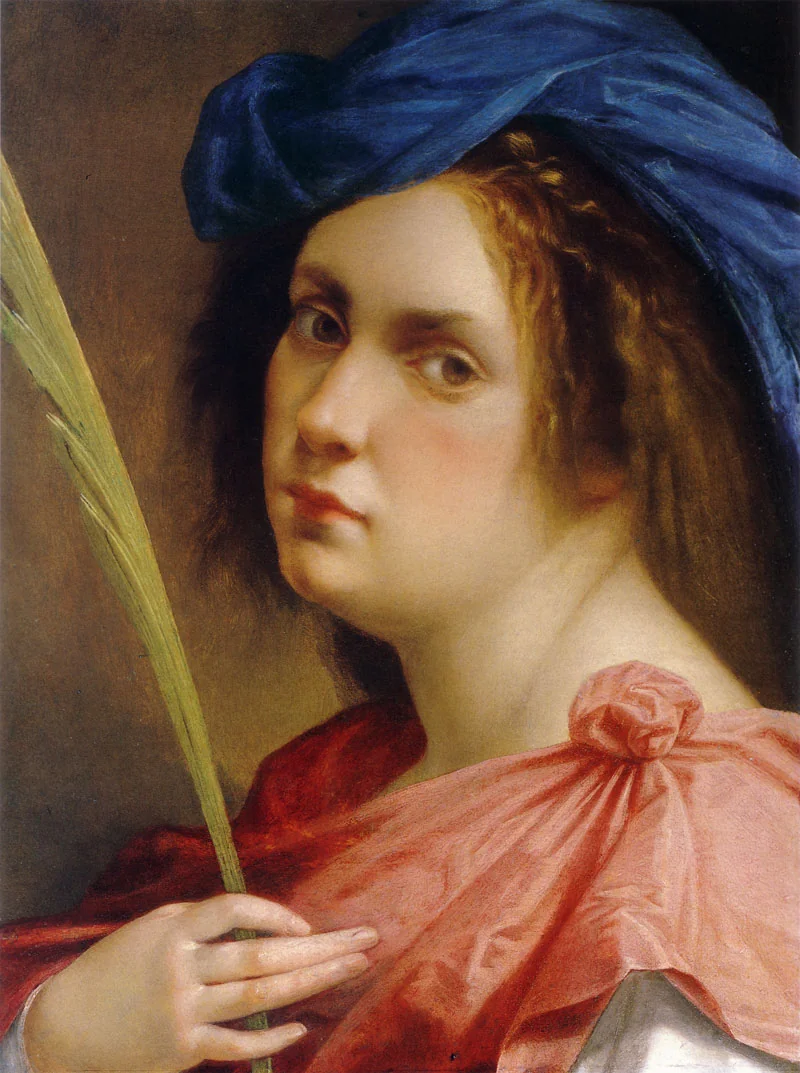
Image from Wikipedia
Image from Wikipedia
Artemisia Gentileschi: Baroque Mastery, Dramatic Imagery, and a Legacy of Great Radiance
The Great Painter of the Italian Baroque
Artemisia Gentileschi is one of the most impressive figures in European art history. Born in Rome, this Baroque painter developed a visual language characterized by dramatic contrasts of light and dark, strong figures, and an extraordinary narrative power. Even her early artistic career shows an exceptional position within the art of her time. As the most significant female painter of her era, she embodies technical brilliance, independence, and a career in music? No: here, painting speaks with the same intensity as great artists shape their time. ([nationalgallery.org.uk](https://www.nationalgallery.org.uk/artists/artemisia-gentileschi?utm_source=openai))
Biographical Beginnings in Rome
Artemisia Gentileschi was born on July 8, 1593, in Rome as the daughter of painter Orazio Gentileschi and grew up in an artistic environment that shaped her development early on. Under the guidance of her father, she received training that quickly took her beyond mere workshop practice. Even her earliest works display a sure hand, a clear composition, and a remarkable sense of psychological tension. The National Gallery in London points to her early dated and signed painting "Susanna and the Elders" from 1610 as an important testament to her early talent. ([nationalgallery.org.uk](https://www.nationalgallery.org.uk/artists/artemisia-gentileschi?utm_source=openai))
The artistic formation of Artemisia Gentileschi occurred during a time when the Roman art scene was heavily influenced by Caravaggism and a new naturalism. In this tension-filled space, she found her own signature style, synthesizing her father's teachings with the dramatic directness of Italian Baroque. Her early works already reveal how adeptly she employs light, body language, and gaze direction to condense scenes of immediate human experience. This early precision made her a remarkable voice within the painting of the 17th century. ([academic.oup.com](https://academic.oup.com/reference/62285/reference-article-abstract/552021674?utm_source=openai))
The Breakthrough of a Unique Visual Language
Artemisia Gentileschi's true breakthrough is closely associated with works that visibly showcase her ability for dramatic intensification. Particularly the motif of Judith, which she addressed multiple times, became key to her artistic identity. In "Judith Slaying Holofernes," she unfolds a scene of great harshness and intensity, where movement, physical power, and violence are presented not ornamentally but with almost dissective clarity. These compositions belong to the most famous images of the Baroque and demonstrate how consistently she exploited the narrative potential of painting. ([biography.com](https://www.biography.com/artists/artemisia-gentileschi?utm_source=openai))
In contrast to many contemporaries, Artemisia Gentileschi's strength lay not only in the motif but also in how she condensed it pictorially. Her figures appear physically present, emotionally credible, and often positioned in a way that directs the viewer's gaze immediately toward the action. The Royal Collection Trust emphasizes that it is tempting to directly link her biography to her art; however, one must not lose sight of her craftsmanship, her understanding of the human body, and her storytelling ability. This connection between technique and narrative power defines her standing. ([rct.uk](https://www.rct.uk/collection/stories/artemisia-gentileschi?utm_source=openai))
Travel, Commissions, and Artistic Maturity
Artemisia Gentileschi worked not only in Rome but later also in other significant art centers in Italy, including Florence, Naples, and Venice. This mobility gave her access to different collections, styles, and patrons. The Museo del Prado highlights her extensive travels and points out that this allowed her to study contemporary painting as well as the great exemplars of the 16th century up close. Her art evolved from a strictly naturalistic approach to a richer atmospheric and coloristic effect. ([museodelprado.es](https://www.museodelprado.es/en/the-collection/artist/gentileschi-artemisia/699ae686-7bf1-4a29-b88f-86ebdc035f3c?searchid=3e6531c0-9a0f-ae92-e619-974891ef405a&utm_source=openai))
During this phase, Artemisia Gentileschi gained an artistic maturity that manifested in subtler light gradations, more nuanced color values, and more complex figure compositions. Her paintings combine baroque drama with remarkable control over composition and space. In works like "Judith and Her Maidservant" or later portrayals of biblical and mythological female figures, it becomes evident how she intertwines narrative and pictorial rhythm. Her oeuvre proves that she was much more than a historical exceptional figure: she was a serious, highly productive master of painting. ([biography.com](https://www.biography.com/artists/artemisia-gentileschi?utm_source=openai))
The Most Famous Works and Their Visual Power
Some of the best-known works of Artemisia Gentileschi include "Susanna and the Elders," "Judith Slaying Holofernes," "Judith and Her Maidservant," "Self-Portrait as the Allegory of Painting," and "Danaë." These works mark the range of her creative output between religious pathos, mythological narrative, and self-confident self-presentation. Particularly her self-portraits and allegories demonstrate an awareness of the role of the female artist in both the image and the culture of her time. She elevates painting not to a marginal figure but to an active, creative force. ([en.wikipedia.org](https://en.wikipedia.org/wiki/Artemisia_Gentileschi?utm_source=openai))
Her painting "Susanna and the Elders" is regarded in art historical discussions as an early masterpiece because it makes female threat and gaze regimes visible in a way that was ahead of its time. New York art criticism emphasizes that the work can be read as innovative because sexual aggression is depicted from the perspective of the threatened. This visual idea has brought Artemisia Gentileschi back into the art historical debate of the 20th and 21st centuries, where she is now considered a central figure of the Baroque and a shaping voice in a re-evaluated art history. ([newyorker.com](https://www.newyorker.com/magazine/2020/10/05/a-fuller-picture-of-artemisia-gentileschi?utm_source=openai))
Style, Technique, and Baroque Drama
Artemisia Gentileschi's style is characterized by strong chiaroscuro, decisive figure leading, and an extremely precise narrative economy. Her paintings avoid unnecessary decoration and instead focus on condensation, tension, and physical presence. The figures often appear as active participants in a clearly readable dramatic moment, making the action experienceable with rare directness. This approach has made her works so accessible to later generations. ([nmwa.org](https://nmwa.org/blog/artist-spotlight/5-fast-facts-artemisia-gentileschi/?utm_source=openai))
Particularly impressive is her handling of the female body as a bearer of dignity, resistance, and agency. In many representations, women do not appear as passive objects but as focused, determined figures with their own energy. This explains why Artemisia Gentileschi is also read in art historical research as a central artist representing a changed perspective on Baroque, gender roles, and image politics. Her works possess both emotional impact and formal control, making them feel exceptionally modern even today. ([yalebooks.yale.edu](https://yalebooks.yale.edu/book/9780300185119/artemisia-gentileschi/?utm_source=openai))
Critical Reception and Cultural Influence
For a long time, Artemisia Gentileschi was underestimated in art history or reduced to her biography. It was only the research of the 20th century, particularly by art historians like Mary Garrard, that brought her work back to the forefront. The New Yorker points out that although art historian Roberto Longhi only slowly acknowledged her, he recognized her as an extraordinary painter. Today, she is presented in major museums, exhibitions, and research contexts as one of the most important female artists of the Italian Baroque. ([newyorker.com](https://www.newyorker.com/magazine/2020/10/05/a-fuller-picture-of-artemisia-gentileschi?utm_source=openai))
Her cultural influence extends far beyond art history. Artemisia Gentileschi exemplifies the rediscovery of female authorship in European visual culture and a reevaluation of mastery beyond traditional canons. Museums such as the National Gallery, the Prado, and the Getty Museum have emphasized her significance in exhibitions and accompanying programs in recent years. Thus, Artemisia Gentileschi is not just a historical figure but an artist whose work continues to resonate in the present. ([nationalgallery.org.uk](https://www.nationalgallery.org.uk/artists/artemisia-gentileschi?utm_source=openai))
Current Exhibitions and Ongoing Relevance
Even in recent museum practices and exhibitions, Artemisia Gentileschi remains present. The Getty Museum referred in 2025 to the preservation and presentation of "Hercules and Omphale," a work that once again demonstrates her strength in portraying strong female figures. Such projects show that her oeuvre does not lie in an archive but is continuously researched, restored, and publicly communicated. Her art remains part of current debates about representation, art quality, and the history of female creativity. ([getty.edu](https://www.getty.edu/exhibitions/artemisia/?utm_source=openai))
The ongoing attention for Artemisia Gentileschi can be explained by the rare combination of technical quality, iconic imagery, and historical relevance. Her paintings appeal not only to art historians but also to a broad audience that recognizes strength, conflict, and human presence in them. That is exactly where her remarkable radiance lies today. Those who experience her works in a museum encounter not only the Baroque but one of the most powerful artistic positions of the early modern period. ([nationalgallery.org.uk](https://www.nationalgallery.org.uk/artists/artemisia-gentileschi?utm_source=openai))
Conclusion: Why Artemisia Gentileschi Continues to Fascinate
Artemisia Gentileschi fascinates because she embodied mastery and independence in an era that rarely afforded both to women. Her painting blends intensity, craftsmanship, and an unmistakable narrative power. Those who view her works recognize an artist who not only shaped the Baroque but also attributed a new, femininely coded form of authority to it. Her images remain vibrant, not merely as historical documents but as condensed moments of human experience. ([nationalgallery.org.uk](https://www.nationalgallery.org.uk/artists/artemisia-gentileschi?utm_source=openai))
For this reason, it is worthwhile to continually rediscover Artemisia Gentileschi in exhibitions, museum collections, and art historical publications. Her works belong to those images that unfold their effect in direct viewing: in scale, in light, in the tension between action and stillness. Those who experience her art feel the strength of a painter who has claimed her place in art history with every canvas. ([rct.uk](https://www.rct.uk/collection/stories/artemisia-gentileschi?utm_source=openai))
Official Channels of Artemisia Gentileschi:
- Instagram: no official profile found
- Facebook: no official profile found
- YouTube: no official profile found
- Spotify: no official profile found
- TikTok: no official profile found
Sources:
- National Gallery, London - Artemisia Gentileschi
- Museo Nacional del Prado - Artemisia Gentileschi
- Royal Collection Trust - Artemisia Gentileschi
- Getty Museum - Artemisia’s Strong Women: Rescuing a Masterpiece
- The New Yorker - A Fuller Picture of Artemisia Gentileschi
- Biography.com - Artemisia Gentileschi Biography
- Wikipedia - Artemisia Gentileschi